

Fine jewelry has always carried meaning, but the way people wear it is changing fast. Today, diamond pendants and rings aren’t only about formal events or once-in-a-lifetime milestones. They’re becoming part of everyday life—styled with workwear, worn to school pickups, layered with casual outfits, and chosen with comfort in mind. As lifestyles get more flexible and personal, jewelry is evolving right along with them.
What’s interesting is that the “future” of fine jewelry doesn’t mean replacing tradition. It means rethinking it. Classic pieces are still loved, but people want them to match modern routines, values, and tastes. That includes designs that feel lighter on the hand, settings that snag less on clothing, and styles that blend easily with other accessories. Diamond pendants and rings are leading this shift because they can be both timeless and adaptable.
Why Modern Lifestyles Are Changing Jewelry Choices
A few decades ago, many people had a clear line between “everyday jewelry” and “special occasion jewelry.” Now those lines are blurred. Work-from-anywhere schedules, more casual dress codes, and social events that happen spontaneously have changed how people get dressed, which naturally affects what they reach for in the jewelry box.
People also want their purchases to work harder for them. Instead of buying one piece that only comes out a few times a year, many prefer pieces they can wear often and style in different ways. This doesn’t mean jewelry is less meaningful—if anything, it’s often more meaningful because it becomes part of daily identity. A diamond pendant might be worn as a personal symbol. A ring might represent a promise, a career achievement, or a reminder of a loved one—without needing a specific event to justify wearing it.
Everyday Wear Is Becoming the Standard
Jewelry that fits real life is winning. That means smooth edges, comfortable bands, and settings designed to sit close to the skin. A pendant that lies flat and doesn’t flip constantly feels better during long days. A ring that doesn’t catch on pockets or hair is more likely to become a daily favorite.
Personal Style Is More Individual Than Ever
Modern fashion is less about strict rules and more about mixing what feels right. Some people love minimal, clean lines. Others prefer bold shapes or layered looks. Diamond pendants and rings now show up in both extremes, with designs that range from subtle and delicate to striking and architectural. The future looks less like one “correct” style and more like endless options.
The New Look of Diamond Pendants
Diamond pendants are evolving in ways that make them easier to wear, easier to layer, and more personal. The pendant is no longer just a single “centerpiece” on a chain. It can be part of a stack of necklaces, a daily signature piece, or even a quiet detail that only the wearer notices.
Designers are also thinking about movement and balance. A pendant that sits nicely at the collarbone, stays forward-facing, and feels comfortable for hours is more aligned with modern expectations. The focus is shifting from “looks impressive in a jewelry box” to “looks and feels great in real life.”
Layering and Modular Styling
Layering is one of the biggest modern style habits, and pendants fit perfectly into it. People like mixing different chain lengths, combining a small diamond pendant with other meaningful charms, or pairing a classic pendant with more modern shapes. This approach makes jewelry feel flexible rather than fixed.
Modular styling is also growing. That can mean pendants that can be removed and placed on different chains, or pieces designed to be worn in more than one way. In the future, many wearers will expect one pendant to fit multiple looks without feeling repetitive.
Shapes That Feel Fresh Without Being Trendy
Not everyone wants a piece that screams “this year’s fashion.” Many people want something current but still timeless. That’s why newer pendant designs often use updated proportions rather than extreme novelty. You might see cleaner lines, bolder silhouettes, or subtle geometry that feels modern while staying wearable for years.
The diamond itself may still be the center, but the overall design is being simplified, refined, and made more versatile. That balance is what keeps a pendant feeling both new and lasting.
Rings Are Becoming More Comfort-First and Lifestyle-Friendly
Rings have always been personal because they’re worn on the hand and seen constantly. But modern life has made comfort and practicality much more important. People type more, use their hands more, and prefer rings that don’t feel bulky or delicate in the wrong ways.
This has pushed ring designs toward smoother profiles, thoughtful band shapes, and settings that protect the diamond while still letting it shine. Instead of choosing only based on size or sparkle, many buyers now ask, “Will this feel good every day?” That question is shaping the future.
Low-Profile Settings and Daily Wear
Low-profile rings are becoming popular for a reason: they fit modern routines. They’re less likely to snag on fabric, less likely to knock into surfaces, and generally easier to wear with gloves, sweaters, or active tasks. This doesn’t mean the ring is less beautiful—it often means the design is more intentional.
Another change is the growing appreciation for rings that look elegant without sitting too high. The diamond can still catch light beautifully when the setting is well designed. The future is about smart design, not just height.
Stacking, Pairing, and Building a Set Over Time
Instead of buying one ring and stopping there, more people are building ring “wardrobes.” A simple diamond ring might be paired with a band later. A ring might be stacked with others to mark different life moments. This approach feels natural for modern lifestyles because it allows gradual collecting rather than a single huge purchase.
Stacking also makes jewelry feel playful and customizable. You can keep it minimal on busy days and add more rings when you want a stronger look. That flexibility fits how people dress now—less fixed, more adaptable.
Meaning Is Expanding Beyond Traditional Milestones
Diamond rings and pendants will always be tied to big life moments for many people, but modern buyers are also choosing them for reasons that are personal and varied. A pendant might be bought after moving to a new city. A ring might celebrate a promotion or a personal goal reached. Some people buy pieces as reminders of self-worth or independence.
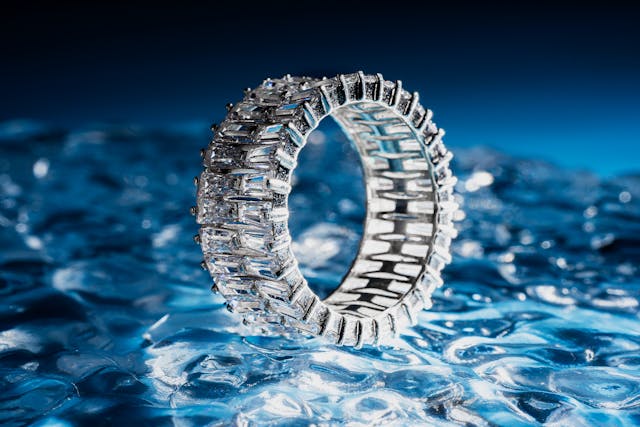
This doesn’t replace the classic meaning of jewelry—it adds to it. The future of fine jewelry is more inclusive in what it represents. It leaves space for different stories, different relationships, and different ways of celebrating life.
Jewelry as Identity, Not Just Symbolism
Some pieces become “you” over time. A diamond pendant that’s worn daily becomes part of someone’s look in the same way a watch or favorite shoes might. Rings can become signature pieces too—something that feels like it belongs, regardless of whether it has a traditional label.
As personal style becomes more expressive, jewelry will continue to shift from being mainly symbolic to being both symbolic and identity-driven.
Modern Craftsmanship: Design Details People Actually Notice
People are paying closer attention to details now, partly because they can research easily and compare options quickly. That means craftsmanship matters in a way that’s very practical. Wearers notice how a ring feels on the finger, whether the edges are smooth, and how secure the setting appears.
The future is also likely to reward designs that are easier to maintain. Pieces that are made to hold up well to everyday life will become more desirable. That includes thoughtful setting choices, balanced proportions, and structures that protect stones while still keeping the overall look elegant.
Durability and Practical Elegance
A big trend is “practical elegance”—pieces that look refined without being fragile. A pendant that doesn’t twist constantly or a ring that doesn’t catch on clothing feels like a better fit for real schedules. People aren’t necessarily less careful; they just want jewelry that doesn’t demand constant attention.
This is especially true for those who wear jewelry during work, commuting, or family routines. A beautiful design that fits daily life becomes the one that gets worn most, and that’s where the emotional value grows.
The Rise of Subtle Luxury and Quiet Confidence
Another clear shift is the move toward subtle luxury. Many modern wearers prefer jewelry that doesn’t feel flashy but still feels special. A well-designed diamond pendant can look understated while still giving that “finished” feeling. A ring can be refined rather than oversized, with focus on proportion and balance.
Quiet confidence is a big part of this. People aren’t always trying to prove something with their jewelry. They’re choosing pieces because they like how it feels, what it represents privately, and how it fits their everyday look.
Minimal Doesn’t Mean Boring
Minimal jewelry can still be deeply expressive. The difference is that the expression is often in the details—shape, setting style, symmetry, and how it pairs with other pieces. The future will likely bring even more minimal designs that feel intentional and modern rather than plain.
What the Future Might Look Like for Diamond Pendants and Rings
The future of fine jewelry isn’t about a single trend taking over. It’s about jewelry becoming more aligned with how people actually live. Diamond pendants and rings will continue to evolve with designs that are comfortable, flexible, and personal. People will keep wanting timeless beauty, but they’ll also want that beauty to fit into a busy day without feeling fussy.
We’ll likely see more pieces designed for layering and stacking, more attention to comfort and wearability, and more emphasis on personal meaning beyond traditional categories. Diamonds will remain a classic choice, but the way they’re presented—through shape, setting, and styling—will keep adapting to modern routines.
In the end, the most “future-forward” fine jewelry will still have something very old-fashioned at its core: it will feel personal. Whether it’s a diamond pendant worn close to the heart or a ring seen every day on the hand, the pieces people cherish most will be the ones that match their lifestyle and tell their story in a way that feels real.