
Childcare has always played a critical role in early development, but today the landscape of care is undergoing a profound transformation. Parents are seeking more than supervision, more than predictable daily routines, and more than traditional classroom-style environments. They want childcare communities that feel safe, nurturing, deeply supportive, and genuinely engaging—places where children are encouraged to explore, imagine, express, and grow. As society evolves and expectations shift, modern childcare providers are responding by creating dynamic, community-centered environments designed to support the whole child.
These changes reflect a broader movement toward social-emotional learning, developmental inclusivity, collaborative play, and stronger family partnerships. The childcare centers of today—and the future—are not simply facilities. They are communities shaping tomorrow’s generation by offering children the tools, guidance, and environments they need to develop confidently and compassionately in a rapidly changing world.
The future of care is rooted in connection, creativity, engagement, and intentional support. As childcare communities continue to adapt, they are redefining what early developmental environments look like and how they influence children’s lifelong learning and well-being.
A Shift From Basic Supervision to Holistic Development
For generations, childcare was often viewed as a necessary service that ensured children were safe and occupied while parents worked. Today, caregivers, educators, and families recognize that these early years are foundational for emotional, cognitive, social, and physical development. This understanding has shifted the role of childcare from simple supervision to a holistic developmental experience.
Modern childcare communities emphasize balanced approaches that integrate learning, play, exploration, and emotional support. Educators now help children practice communication, build independence, solve conflicts, understand emotions, and explore new interests. These experiences prepare children for school readiness and long-term confidence, but they also foster resilience and curiosity—skills that are essential in an ever-changing world.
This holistic philosophy ensures that children see themselves as capable learners and valued members of a supportive community from their earliest years.
Engaging Environments That Spark Curiosity and Imagination
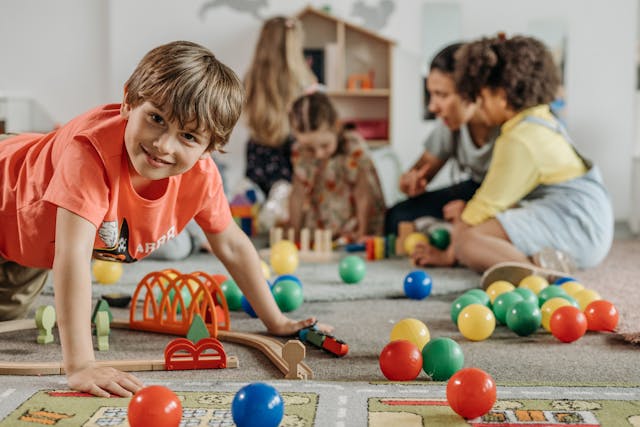
Childcare environments have evolved far beyond traditional classrooms or playrooms. They now feature dynamic, intentionally designed spaces that support learning through hands-on exploration, creativity, and sensory engagement. These enriched environments invite children to imagine, discover, and experiment.
Outdoor play areas emphasize natural materials, open-ended activities, and discovery-based learning. Indoor classrooms use diverse textures, interactive centers, and flexible layouts that adapt to different developmental needs. Creative studios, quiet reading corners, movement zones, and collaborative play areas give children the freedom to follow their interests and explore new challenges.
Engaging spaces foster curiosity, promote physical development, and nurture imaginative thinking. They help children learn through experience rather than instruction, encouraging them to build confidence through trial and discovery. In the future, childcare communities will continue designing environments that are not only safe and functional, but truly inspiring.
A Strong Emphasis on Social-Emotional Development
Perhaps one of the most significant shifts in childcare is the focus on social-emotional learning. Today’s childcare communities recognize that children need more than academic knowledge—they need emotional awareness, self-regulation skills, empathy, and confidence navigating social situations.
Caregivers support emotional growth by teaching children how to express feelings, manage frustration, share with peers, and communicate effectively. These skills are not taught through rigid lessons but through guided interactions, positive modeling, and intentional daily routines.
Strong social-emotional foundations help children build healthy relationships, cope with challenges, and develop resilience—qualities that will serve them throughout school, work, and life. As childcare environments continue to evolve, this focus will become even more central in shaping well-rounded, emotionally grounded individuals.
Caregiver-Child Relationships Built on Trust and Connection
Trust is one of the most important elements of childcare. Children thrive when they feel safe, understood, and genuinely cared for. Modern childcare communities invest deeply in building strong, supportive relationships between children and caregivers.
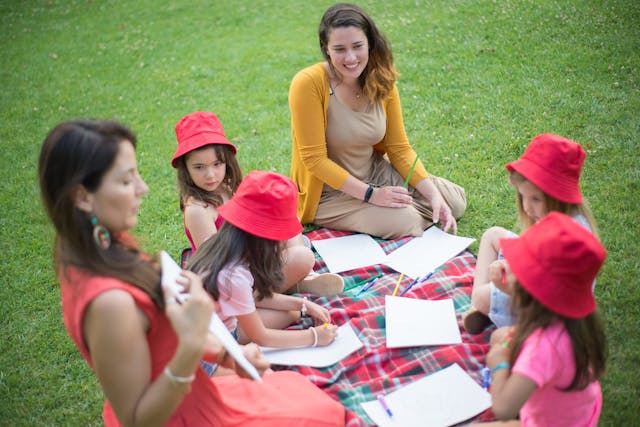
Caregivers spend time learning each child’s personality, interests, communication style, and needs. These individualized relationships help children feel valued and emotionally secure. A sense of connection encourages independence, exploration, and confident engagement within the childcare environment.
Strong caregiver-child bonds also support smoother transitions, whether from home to childcare, between classrooms, or into formal schooling. The future of child development depends on these nurturing relationships—ones built with patience, attentiveness, and genuine care.
Collaborative Partnerships With Families Strengthen the Community
Families are essential partners in a child’s developmental journey, and childcare communities are embracing collaboration more than ever before. Open communication, shared goals, and mutual support ensure that children receive consistent guidance across home and childcare settings.
Parents and caregivers work together to understand milestones, address challenges, and celebrate progress. Family partnerships also help childcare providers tailor their approach, ensuring each child’s experience reflects their unique background, culture, personality, and developmental path.
Modern childcare centers create opportunities for community building through family events, workshops, open communication channels, and shared activities. This level of involvement strengthens trust and reinforces the idea that childcare is an extension of each family’s care network.
Inclusivity and Diversity Are Foundations of the Modern Childcare Experience
A supportive childcare community embraces children from all backgrounds, abilities, and developmental profiles. Today’s childcare providers value diversity as a strength and design environments that reflect inclusivity at every level.
Inclusive childcare ensures that all children feel welcomed and supported, regardless of their learning style, communication needs, or cultural identity. Teachers adapt activities, materials, and teaching styles to meet children where they are. Families are encouraged to share their traditions and experiences, enriching the childcare community with cultural awareness and empathy.
This inclusive mindset prepares children for a diverse world—one where understanding, kindness, and respect are essential values for future generations.
Play-Based Learning Continues to Lead the Way
Play has always been at the heart of childhood, but today it is recognized as one of the most effective learning tools. Through play, children build language skills, solve problems, explore scientific concepts, express creativity, and develop social awareness.
Childcare communities incorporate structured and unstructured play throughout the day, giving children opportunities to lead their learning. Whether engaging in imaginative storytelling, building structures, exploring nature, or participating in collaborative games, children learn best when they are actively involved.
Future-forward childcare centers will continue designing play-rich experiences that integrate learning with curiosity and joy.
Childcare as a Community Anchor for Modern Families
More families than ever rely on supportive childcare networks to balance work, family life, and personal well-being. Childcare providers have become central anchors in the daily lives of parents and children alike—offering consistency, stability, and a sense of belonging.
Modern childcare communities often serve as extensions of the family unit. They provide emotional support, structured routines, healthy interactions, and opportunities for children to build meaningful friendships. These communities help families navigate transitions, routines, and milestones with greater confidence.
In an increasingly busy world, childcare communities offer reassurance that children are growing within a nurturing, enriching environment crafted with care and intention.
A Future Built on Support, Connection, and Engagement
The future of childcare is rooted in the idea of community—creating spaces where children feel safe, supported, and inspired to grow. Supportive childcare communities celebrate individuality, foster creativity, encourage emotional resilience, and strengthen family partnerships.
As society continues to evolve, these childcare environments will play an even more important role in shaping tomorrow’s generation. They will continue blending play, learning, social-emotional growth, and inclusive values to create experiences that reflect the needs of modern families.
The future of care is bright, dynamic, and deeply purposeful. With supportive, engaging childcare communities leading the way, the next generation will step into the world stronger, more confident, and more connected than ever before.