
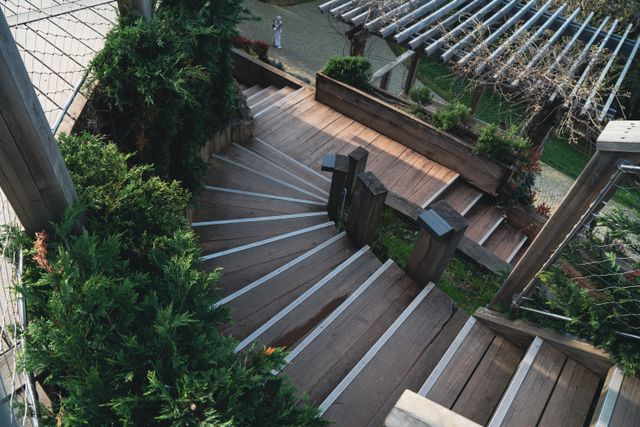
The backyard is no longer treated as leftover space around a home. For many homeowners, it has become another living area—somewhere to eat, entertain, relax, work, garden, or simply spend more time outside. That change is influencing both how landscapes are designed and how they need to be maintained.
As expectations grow, landscape design and maintenance services are moving beyond the traditional combination of lawns, planting beds, and seasonal cleanup. Outdoor spaces are increasingly planned around usability, water management, climate conditions, easier upkeep, biodiversity, lighting, and year-round enjoyment. Homeowners still want attractive landscapes, but they also expect those spaces to work harder.
The future of landscaping is therefore not simply about adding more features. It is about designing outdoor environments that feel intentional, remain practical to maintain, and continue serving the people who use them as their needs change.
Outdoor Spaces Are Becoming True Extensions of the Home
For years, outdoor living was often treated as a secondary feature. A patio, lawn, and a few planting areas might have been considered enough. Today, homeowners increasingly think about the yard in terms similar to interior rooms.
One area may function as an outdoor dining space, another as a quiet seating zone, and another as an open area for children, pets, exercise, or entertaining. Landscaping helps connect these functions instead of allowing them to feel like unrelated additions.
This is changing the design process. Professionals need to consider how people will actually move through and use a property. Pathways, shade, privacy, lighting, planting, drainage, and hardscape materials all contribute to whether the space feels comfortable.
Good landscape design is consequently becoming more closely connected to lifestyle planning. The question is no longer simply what should be planted, but what the homeowner wants to do outside.
Low-Maintenance Design Is Becoming More Sophisticated
Low-maintenance landscaping is sometimes misunderstood as creating a nearly empty yard. In reality, reducing maintenance requires thoughtful design.
Plant selection can have a major influence. Species that are appropriate for local conditions may require less intervention than plants constantly struggling with unsuitable soil, sunlight, temperatures, or moisture.
Layout matters too. Difficult-to-reach planting areas, unnecessarily complicated lawn edges, and poorly positioned features can increase routine maintenance.
Designers are increasingly considering future upkeep while planning the landscape rather than leaving maintenance questions until after installation.
This does not mean creating outdoor spaces that require no care. Living landscapes naturally change throughout the seasons. The objective is to reduce avoidable work while preserving visual interest and functionality.
Water-Smart Landscaping Will Become More Important
Water management is becoming a central consideration in landscape planning.
Some properties need to reduce unnecessary irrigation, while others need better ways to manage heavy rainfall and drainage. In both cases, the design of the landscape can influence how effectively water moves through and supports the property.
Plant selection can reduce irrigation requirements when species are suited to local conditions. Mulched planting areas can help retain moisture, while appropriate soil preparation can improve water infiltration.
Drainage planning is equally important. Poor grading or runoff management can create standing water, erosion, damaged planting areas, and problems around structures.
Future landscape design will increasingly treat water as a resource that needs to be managed rather than simply supplied or removed. This can produce landscapes that are both more resilient and easier to maintain.
Native and Climate-Appropriate Plants Are Gaining Attention
Planting decisions are becoming more closely connected to local environmental conditions.
Native and well-adapted plants can offer practical advantages because they are suited to regional climate patterns. Depending on the species and site, they may require less supplemental watering or intensive care once established.
They can also contribute to habitat for pollinators and other wildlife.
However, successful planting still requires careful selection. A plant being native to a broad region does not automatically mean it belongs in every part of a property. Sunlight, drainage, mature size, soil conditions, and surrounding plants still matter.
The direction of landscape design is therefore moving toward more site-specific planting decisions. Instead of choosing plants primarily because they look attractive at installation, designers can consider how they will perform and interact with the landscape over many years.
Technology Is Entering Landscape Maintenance
Landscaping is physical work, but technology is becoming increasingly useful behind the scenes.
Smart irrigation systems can adjust watering according to conditions rather than operating on rigid schedules. Digital planning tools can help visualize layouts before installation. Maintenance teams can also use scheduling and property records to track recurring tasks more consistently.
Sensors and monitoring technologies may eventually make landscape management even more responsive. Instead of watering or maintaining every part of a property according to the same assumptions, information about soil moisture and local conditions can support more targeted decisions.
Technology is unlikely to remove the need for experienced landscape professionals. Outdoor environments contain living materials that respond to weather, soil, pests, and countless other variables.
Its value lies in providing better information so professionals can make more precise decisions.
Outdoor Lighting Is Becoming Part of the Design From the Beginning
Outdoor spaces do not stop being useful when daylight disappears.
Lighting is increasingly considered during the early stages of landscape planning rather than being added after everything else has been installed. This makes it easier to coordinate fixtures with pathways, planting areas, seating spaces, steps, and architectural features.
Good lighting serves several purposes. It can improve visibility around walking routes and changes in elevation while making outdoor areas more comfortable to use in the evening.
It can also influence atmosphere. Subtle illumination around selected trees, planting, or structural elements can create depth without making the property feel excessively bright.
Future outdoor living spaces are likely to place greater emphasis on layered, intentional lighting that supports both function and appearance.
Flexible Spaces Will Replace Some Single-Purpose Designs
Household needs change over time.
A large play area may be important when children are young but become less useful later. An outdoor dining space might need to accommodate both small family meals and larger gatherings. Homeowners may also want areas that support exercise, relaxation, or occasional remote work.
Landscape design can respond by creating flexible spaces rather than assigning every area one permanent purpose.
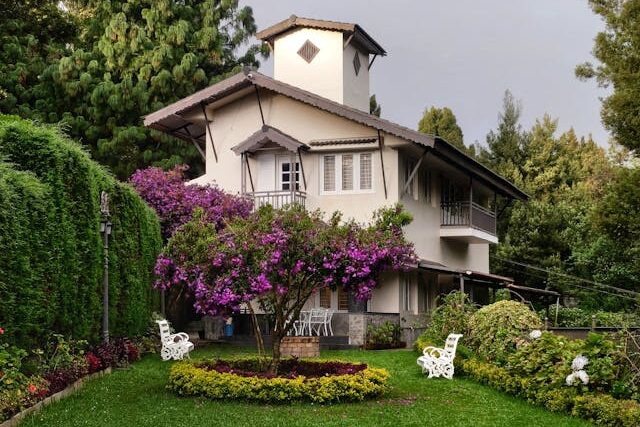
Open hardscape areas, adaptable seating arrangements, movable features, and carefully positioned planting can allow the same outdoor space to support different activities.
This flexibility can also reduce the need for expensive redesigns later.
The most successful future landscapes may therefore be those that provide structure without becoming overly restrictive.
Maintenance Will Become More Preventive
Landscape maintenance has often been treated as a list of recurring tasks: mow, trim, clean, prune, and repeat.
A more advanced approach looks at the condition of the entire landscape and attempts to identify problems earlier.
Changes in plant health, irrigation performance, drainage, soil condition, or hardscape stability can provide warning signs. Addressing these issues early may prevent more expensive corrective work later.
Preventive maintenance also considers timing. Pruning, planting, fertilization, irrigation adjustments, and other activities are more effective when performed according to plant needs and seasonal conditions rather than simply because a calendar date has arrived.
This approach turns maintenance into active landscape management. The objective becomes preserving the long-term health and function of the property rather than merely keeping it tidy.
Sustainability Will Influence Material Choices
Sustainability in landscaping extends beyond choosing certain plants.
Material selection, construction methods, water consumption, soil management, and long-term maintenance requirements all contribute to the environmental impact of an outdoor space.
Durability is an important part of this discussion. A material that needs frequent replacement can create more waste and expense than one designed to remain functional for many years.
Designers may also consider whether existing site materials can be retained or reused rather than automatically removing everything during renovation.
Permeable surfaces can play a role in managing water, while thoughtful planting can reduce exposed soil and support local ecological functions.
The future is likely to involve a broader definition of sustainable landscaping—one that considers the entire life of the landscape rather than individual features in isolation.
Smaller Outdoor Spaces Will Need to Work Harder
Not every homeowner has a large yard, and smaller properties present their own design challenges.
Limited space makes every decision more important. Oversized plants can quickly overwhelm a compact area, while poorly positioned furniture or pathways can make movement difficult.
Vertical planting, multifunctional features, carefully selected trees, built-in seating, and defined zones can help smaller landscapes provide more utility without feeling crowded.
Privacy is another consideration. Screening needs to create separation without consuming too much usable area or blocking desirable light.
As residential spaces become more varied, landscape design will need to become increasingly creative about making compact outdoor areas comfortable and functional.
Maintenance Planning Will Begin During the Design Stage
One of the biggest changes in professional landscaping is a growing recognition that design and maintenance should not be separated.
Every design decision has future maintenance consequences.
A plant may look ideal when newly installed but eventually outgrow its location. A complicated bed shape may create unnecessary trimming work. Poor equipment access can turn routine maintenance into a difficult task.
Thinking about these issues during design can prevent long-term frustration.
Homeowners should understand how the landscape is expected to mature and what level of maintenance will be required. This makes it easier to choose between different design options based not only on appearance but also on long-term practicality.
A successful landscape should still work years after the installation team leaves.
Outdoor Living Is Becoming More Personal
There is no single definition of the ideal outdoor space.
One homeowner may want a garden filled with plants and wildlife. Another may prioritize entertaining, while someone else wants a quiet retreat requiring minimal maintenance.
This is pushing landscape design away from standardized solutions.
The planning process increasingly begins with how people live. How often do they entertain? Do they have children or pets? How much gardening do they enjoy? Which parts of the property receive the most use? How much ongoing maintenance are they willing to manage?
The answers influence everything from plant selection to hardscape layout.
Personalization makes landscapes more useful because design decisions are tied to actual behavior rather than trends alone.
The Future Landscape Will Need to Look Good and Work Better
Outdoor living will continue to change as homeowners expect more from the space surrounding their homes. Attractive planting will remain important, but appearance alone will not define a successful landscape.
Future outdoor spaces will need to manage water intelligently, respond to local conditions, accommodate changing household needs, support easier maintenance, and remain usable during more parts of the day and year.
Technology will help with planning and maintenance, while thoughtful plant selection can create landscapes that are more resilient. Flexible layouts will allow spaces to change with the people using them, and preventive care can protect the investment long after installation.
The direction of landscaping is ultimately moving toward greater intention.
Instead of treating design, planting, maintenance, drainage, lighting, and outdoor living as separate concerns, stronger landscapes bring them together. That integrated approach can create outdoor environments that are not only visually appealing when first completed but also practical, adaptable, and enjoyable for years to come.