
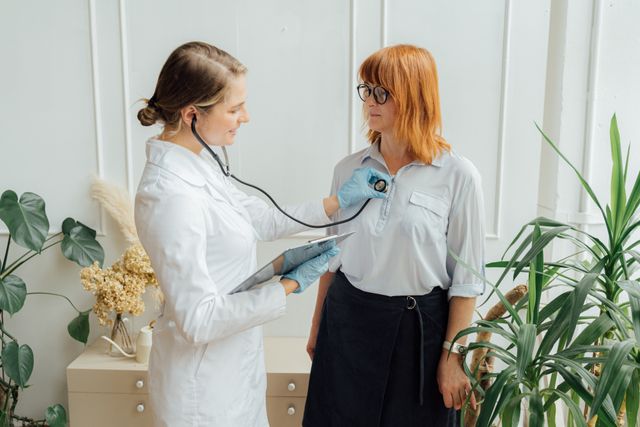
Healthcare is becoming more personalized, yet many patients still experience it as rushed and fragmented. Short appointments, long waits, complicated billing, and difficulty reaching a clinician between visits can make even routine primary care feel unnecessarily difficult. At the same time, patients increasingly expect healthcare to offer the convenience and responsiveness they experience in other parts of their lives.
That tension is creating room for alternative approaches to primary care. One of them is direct primary care medicine, a model designed around a more direct relationship between patients and primary care practices. Rather than treating accessibility as an occasional benefit, the model typically emphasizes ongoing access, continuity, preventive care, and more predictable arrangements for routine primary care.
Its role in the future of healthcare is particularly interesting because personalization is no longer only about advanced technology. It is also about whether clinicians have enough time, context, and continuity to understand the person receiving care.
Why Primary Care Is Central to Personalized Healthcare
Personalized healthcare is sometimes associated with sophisticated diagnostics, genetics, or data-driven treatment recommendations. Those developments are important, but personalization also begins with something much simpler: knowing the patient.
Primary care clinicians are well positioned to develop that knowledge because they can follow patients over time. A single appointment may reveal symptoms and current concerns, while a longer clinical relationship can reveal changes in lifestyle, medication use, family history, risk factors, treatment response, and health priorities.
Continuity therefore creates valuable context. Instead of repeatedly rebuilding a patient’s story from scattered encounters, clinicians can make decisions with a better understanding of what happened previously and how the patient’s needs have changed.
Direct primary care can support this relationship by placing greater emphasis on ongoing interaction rather than isolated appointments. That can make personalization a routine feature of care instead of something reserved for particularly complex cases.
Accessibility Means More Than Having a Clinic Nearby
Healthcare access is frequently measured in physical terms: how far patients live from a clinic or whether enough providers operate in a particular area. Geography certainly matters, but practical accessibility includes much more.
A clinic can be located nearby and still be difficult to use if appointments are hard to obtain, waiting periods are long, administrative processes are confusing, or patients struggle to contact someone when they have a relatively simple question.
The future of accessible care therefore requires attention to friction. Patients need appropriate ways to communicate, schedule visits, obtain follow-up guidance, and understand where to go when their health needs change.
Direct primary care attempts to address some of this friction by simplifying the relationship between the practice and the patient. Depending on the practice, that may include easier appointment scheduling, greater communication access, or more predictable primary care costs.
Accessibility should not mean unlimited or inappropriate access to a clinician. Instead, it means designing primary care so patients can obtain the right level of attention without unnecessary obstacles.
Longer, More Focused Visits Can Change the Patient Experience
Time is one of the most constrained resources in conventional healthcare. When appointment schedules are extremely tight, both clinicians and patients may feel pressure to address the most immediate complaint and move on.
That can be sufficient for straightforward concerns, but chronic conditions and preventive health often require broader conversations. Medication adherence, nutrition, sleep, exercise, stress, family circumstances, and treatment preferences may all influence health outcomes.
A care model that allows more room for these discussions can support a different kind of clinical interaction. Clinicians may have greater opportunity to explain treatment options, review medications carefully, discuss risk factors, and answer questions before they become larger concerns.
Patients may also be more willing to mention issues they would otherwise postpone because they do not want to use limited appointment time.
The result is not automatically better care simply because an appointment lasts longer. The value comes from using that time to improve understanding, communication, prevention, and follow-through.
Direct Primary Care Can Strengthen Preventive Care
Healthcare systems often devote enormous resources to treating disease after it has become difficult or expensive to manage. Primary care has the potential to intervene much earlier.
Regular health assessments can identify changes in blood pressure, weight, metabolic health, medication use, or other risk factors before they develop into larger problems. Appropriate screening and vaccination can also address risks before symptoms appear.
The challenge is keeping prevention visible when immediate problems constantly compete for attention.
A continuous primary care relationship can make prevention part of routine care rather than an isolated annual event. Clinicians can revisit goals, follow trends, discuss adherence, and determine whether recommendations are actually working for the patient.
This is one reason direct primary care could complement the broader movement toward personalized medicine. Personalization is not simply selecting an individualized treatment. It can also mean developing a prevention strategy that reflects a person’s health history, circumstances, risks, and realistic goals.
Technology Can Extend the Primary Care Relationship
Digital healthcare is changing what it means to “visit” a healthcare professional. Some questions still require a physical examination, but others may be handled through secure communication, virtual consultations, remote monitoring, or follow-up messages.
Direct primary care is well suited to a healthcare environment in which communication can occur through multiple channels. A patient who has already developed a relationship with a clinician may not need a traditional office visit for every question.

Technology can also help clinicians follow trends between appointments. Patient-reported information and appropriate monitoring data can provide additional context for chronic disease management and preventive care.
However, digital access should support rather than weaken the clinical relationship. Technology becomes most useful when it removes unnecessary friction while preserving appropriate clinical judgment, privacy, and escalation to in-person care when necessary.
The future is therefore unlikely to be entirely virtual or entirely office-based. More flexible combinations of both may become increasingly important.
Predictable Costs Can Influence How Patients Use Primary Care
Cost uncertainty can discourage people from seeking routine healthcare. When patients are unsure what a visit will cost, even relatively minor concerns may be postponed.
Many direct primary care arrangements use a recurring membership or fee structure for defined primary care services. The exact services and terms vary between practices, so patients still need to understand what is and is not included.
The potential advantage is predictability. When patients understand the cost of accessing routine primary care, they may be more comfortable contacting their clinician before a problem becomes severe.
However, direct primary care should not be confused with complete healthcare coverage. Patients can still require specialists, hospitalization, emergency services, imaging, medications, procedures, and other forms of care outside the primary care relationship.
Its future role is therefore better understood as one component of healthcare rather than a replacement for the entire system.
Continuity Matters More as Healthcare Becomes More Complex
Modern patients often receive care from several sources. A person might see a primary care clinician, multiple specialists, an urgent care provider, a pharmacist, and other healthcare professionals within the same year.
More access to expertise can be valuable, but fragmentation creates another problem: someone still needs to understand the overall picture.
Primary care can provide that continuity. A clinician familiar with the patient’s history can help interpret recommendations, review medications, recognize duplicated treatment, monitor chronic conditions, and determine when specialist involvement may be appropriate.
This coordinating role becomes increasingly important as healthcare becomes more specialized and technologically sophisticated.
Direct primary care may strengthen that function by creating more opportunities for ongoing communication. The value is not that the primary care clinician replaces specialists, but that patients have a consistent point of contact within an increasingly complicated care environment.
Personalized Care Still Requires Evidence-Based Decisions
Personalization can easily be misunderstood as giving every patient a completely different treatment. In reality, high-quality personalized healthcare still depends on evidence-based medicine.
The difference is how that evidence is applied. Two patients with similar diagnoses may have different ages, risk factors, medication histories, preferences, lifestyles, financial constraints, or treatment goals. Those differences can influence which clinically appropriate option works best.
A stronger clinician-patient relationship can provide the information needed to make those distinctions.
Direct primary care may create conditions that support this process by improving continuity and communication. But the model itself does not guarantee quality. Clinical competence, appropriate referral, evidence-based treatment, privacy, patient safety, and responsible prescribing remain essential regardless of how a practice is financed or organized.
Personalization works best when greater knowledge of the patient strengthens sound medical decision-making rather than replacing it.
Direct Primary Care Is Not a Solution to Every Access Problem
The advantages of direct primary care should be considered alongside its limitations. Not every patient will find a membership-based arrangement financially appropriate, and not every community has access to participating practices.
There are also healthcare needs that primary care alone cannot address. Serious emergencies, complex procedures, hospitalization, advanced diagnostic testing, and specialist treatment remain essential parts of the wider healthcare system.
The model’s greatest potential may therefore come from integration rather than replacement. Direct primary care can provide a consistent front door to healthcare while other parts of the system handle needs requiring specialized resources.
For policymakers, clinicians, employers, and patients considering future healthcare models, the relevant question is not whether one approach should replace everything else. It is which combination of care models can improve accessibility, continuity, affordability, and clinical outcomes.
A More Relationship-Centered Future for Primary Care
The future of healthcare will undoubtedly involve more artificial intelligence, remote monitoring, predictive analytics, digital communication, and increasingly sophisticated treatments. Yet technological progress does not eliminate the need for a strong relationship between patients and healthcare professionals.
In fact, greater complexity may make that relationship more valuable.
Direct primary care fits into this future by emphasizing something healthcare systems can easily lose when they become larger and more complicated: continuity. When patients can build an ongoing relationship with a primary care clinician, there is greater opportunity to understand their history, monitor changes, discuss prevention, coordinate outside care, and make decisions that reflect individual circumstances.
The model will not solve every challenge surrounding healthcare affordability or access. Nor will it eliminate the need for insurance, specialists, hospitals, or emergency medicine. Its significance is more focused.
Direct primary care demonstrates that healthcare innovation does not always require adding another layer of technology. Sometimes innovation means redesigning the relationship at the center of care.
As healthcare becomes more personalized, connected, and digitally supported, primary care models that combine clinical expertise with accessibility and continuity may become increasingly important. The future of personalized medicine may depend not only on knowing more about disease, but also on creating systems that allow healthcare professionals to know their patients better.