

Pet daycare is no longer just a convenience for busy owners—it has become a full-fledged extension of modern lifestyle, wellness, and technology trends. As society evolves, so does the way people care for their animals. Today’s pet parents expect more than supervision and snacks; they want environments where pets can thrive emotionally, physically, and socially. This shift is reshaping the pet daycare industry into a smarter, more intuitive, and future-ready experience. As technology, wellness science, and environmental design continue to advance, pet daycare is entering an era where innovation blends seamlessly with compassion.
Just a decade ago, the idea of structured daycare for pets was considered a luxury. Now, it is viewed as an essential service for socialization, mental stimulation, and behavioral balance. With pet ownership continuing to rise, and pets increasingly treated as family members, the expectations surrounding daycare experiences have expanded dramatically. The “future of everything” includes enhanced care models, intelligent monitoring, and emotionally aware environments—making the pet daycare of tomorrow more dynamic, enriching, and interconnected than ever before.
Tech-Infused Facilities Designed for Safety and Comfort
One of the most transformative elements shaping the future of pet daycare is the integration of smart technology. Facilities are moving beyond basic cameras and timers to systems that understand pet behavior, monitor safety in real time, and provide personalized experiences. Intelligent sensors can track activity levels, resting habits, hydration, temperature preferences, and even signs of stress. These tools allow caretakers to instantly adjust environments, separate incompatible play groups, or intervene when a pet shows signs of discomfort.
Climate-responsive rooms will become standard as pet daycares evolve. These environments can automatically adjust lighting, airflow, and temperature according to each pet’s comfort cues. For example, a high-energy dog may be guided into a space with cooler air and more activity zones, while an anxious pet may be placed in a calmer room with softer lighting and ambient sound designed to reduce overstimulation.
Tech integration doesn’t diminish the human role—it enhances it. Staff can rely on seamless monitoring systems that help them make better, faster decisions to support pet safety and happiness. As these environments become more adaptive, pets receive care that feels natural, intuitive, and tailored to their individual needs.
Personalized Wellness Plans for Each Pet
The future of pet daycare goes far beyond group play. Personalized wellness plans are becoming a major part of the experience, designed to ensure that each pet receives the right mix of activity, rest, stimulation, and emotional support. These plans may consider a pet’s age, breed characteristics, medical conditions, or temperament.
For example, senior pets may follow a gentle exercise routine designed to support joint mobility, while younger dogs benefit from structured play that channels energy productively. Pets recovering from surgery or injury may have daycare plans that include guided movement, light stretching, or supervised quiet zones where they can rest without missing out on enrichment. Even behavioral needs become part of wellness planning, with structured sessions for socialization, confidence building, or relaxation.
Wellness plans create a holistic approach: physical health, mental balance, emotional stability, and social wellness become interconnected goals. This level of customization reflects the growing trend toward treating pets with the same thoughtful, intentional care people expect for themselves.
The Role of AI Companions and Smart Interaction Tools
As AI becomes more sophisticated, pet daycares will begin incorporating interactive tools that support learning, entertainment, and engagement. AI-powered play systems can detect patterns in a pet’s behavior and adapt games accordingly. These tools may encourage shy pets to participate in gentle exploration or help highly energetic pets burn off energy with stimulating, guided play.
Interactive AI toys and enrichment stations may offer problem-solving challenges, reward-based puzzles, or scent-based activities designed to exercise the mind. This type of engagement is especially beneficial for breeds that need mental stimulation to prevent boredom-driven behaviors.
AI companions may also serve as calming aids. Soft robotic devices designed for comfort can help anxious pets settle, offering gentle vibrations or soft responses to mimic comforting physical contact. These tools do not replace human care but complement it by providing consistent, soothing support that staff can use in tandem with training and hands-on attention.
Environments That Promote Mental and Emotional Wellness
Future pet daycare environments will be designed with far more intention than simply providing open playrooms. Facilities will incorporate elements inspired by nature, sensory therapy, and behavioral science to help pets feel safe, confident, and stimulated. Soft textures, varied landscapes, calming scents, and gentle soundscapes create an environment that nurtures emotional balance.
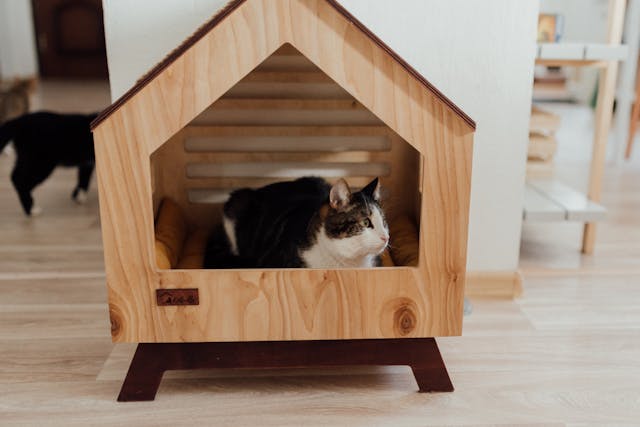
Quiet pods and relaxation zones will become essential features for pets that need downtime or have sensitive personalities. These areas allow pets to decompress without completely withdrawing from the group, giving them a structured way to manage social energy—something especially important for anxious or introverted pets.
Meanwhile, dynamic play environments will adapt based on group behavior. Acoustic dampening, non-slip flooring, park-like activity spaces, and climbing structures create safe opportunities for exploration and exercise. Instead of traditional “dog runs,” pet daycares will resemble thoughtfully designed playgrounds that consider each pet’s personality and physical needs.
Smarter Safety Protocols and Transparent Communication
Safety remains a top priority across all pet care environments. With more advanced technology and smarter systems, future pet daycares will adopt layered safety protocols that allow for instant communication, automatic alerting, and transparent updates to pet parents.
Real-time dashboards may show how much activity a pet is getting, how many breaks they take, and how they are interacting with others. Instant reports may provide updates on hydration levels, rest periods, feeding patterns, or social compatibility. For pet parents, this transparency not only provides peace of mind but also strengthens trust in the daycare.
Smart safety tools will also support staff. Automated alerts can notify them of abnormal behavior such as pacing, excessive barking, isolation, or signs of distress. Instead of relying solely on observation, staff can respond quickly and proactively.
This transparency turns pet daycare into an experience that pet parents feel connected to—even when they are miles away.
Enrichment Programs That Go Beyond Traditional Play
In the future, enrichment programs will become highly structured, intentional, and purpose-driven. Instead of random play sessions, daycares will offer themed programs such as:
- scent exploration sessions
- guided agility courses
- group socialization classes
- calm-time mindfulness activities
- sensory learning modules
- structured fetch-and-retrieve rounds
- creative problem-solving games
These programs satisfy the natural instincts of pets while helping them develop confidence and emotional resilience. The result is a daycare environment that creates well-rounded, mentally balanced pets—not just tired ones.
Advanced enrichment also benefits pets with behavioral challenges. Structured activities can help reduce anxiety, improve focus, and provide an outlet for energy that might otherwise manifest as stress or destructive behaviors at home.
A Future Where Pet Daycare Feels Like a Second Home
As society’s relationship with animals evolves, pet daycare facilities will become more than temporary spaces—they will feel like extensions of the pets’ natural routine and lifestyle. With personalized care, smart technology, enriched environments, and seamless communication, pets will enjoy a supportive atmosphere that feels familiar, safe, and enjoyable.
Owners will choose daycares not just for convenience but for long-term development, social growth, and emotional well-being. In this future-forward model, daycare becomes an essential part of a pet’s overall quality of life.
The Future of Everything Includes Our Pets
The future of pet daycare reflects a larger cultural shift: as humans embrace technology, wellness, and intelligent environments, they naturally extend these advancements to the animals they love. Pet care will no longer be a simple service—it will evolve into a holistic ecosystem built around safety, enrichment, emotional intelligence, and technological innovation.
As the future of everything continues to unfold, one thing is clear: pets are not just companions—they are family. And the daycare environments of tomorrow will honor that bond with creativity, intelligence, and heart.