
The business world is entering a new digital frontier—one where technology is not just a support function but the foundation of innovation, strategy, and customer experience. As companies embrace cloud computing, automation, AI, and interconnected systems, the need for reliable, intelligent IT support has never been greater. But today’s IT environment is far too complex for traditional in-house teams to manage alone.
Enter managed IT solutions—comprehensive, proactive support models designed to keep businesses secure, efficient, and adaptable. Managed IT is no longer just about fixing computers or resetting passwords; it’s about enabling growth, predicting problems before they occur, and powering the next generation of intelligent businesses.
From Reactive to Strategic: The Evolution of IT Support
In the past, IT support was largely reactive. Businesses called for help when something went wrong—servers went down, networks crashed, or systems slowed to a crawl. This break-fix approach often led to long downtimes, costly disruptions, and frustrated employees.
Modern managed IT solutions, however, have transformed this dynamic. Through continuous monitoring, predictive analytics, and automation, service providers can identify and resolve potential issues before they escalate. Instead of reacting to crises, they maintain systems that prevent them.
This shift from reactive support to proactive management allows businesses to focus on innovation rather than interruption. It also redefines IT from a cost center into a strategic advantage—one that strengthens resilience, boosts productivity, and fosters long-term scalability.
The Rise of Intelligent Infrastructure
As organizations move toward digital transformation, their infrastructure must evolve to match. Managed IT solutions play a critical role in building and maintaining intelligent infrastructure—systems that can adapt, learn, and optimize over time.
AI and machine learning are now integrated into network management, data storage, and cybersecurity. These intelligent tools analyze patterns of activity, detect anomalies, and make automatic adjustments to maintain peak performance. For example, predictive maintenance powered by AI can anticipate hardware failures, while smart routing dynamically balances network traffic to reduce latency.
By leveraging these intelligent systems, businesses can operate with unprecedented efficiency. Managed IT teams ensure that the underlying technology continuously aligns with business objectives, enabling real-time decision-making and smoother digital workflows.
Cloud Computing and the Power of Flexibility
One of the biggest drivers of the modern IT revolution is the cloud. The shift from on-premises systems to cloud-based infrastructure has transformed how companies store, access, and protect their data. Managed IT providers are leading this shift by designing cloud environments that are scalable, secure, and optimized for collaboration.
With managed cloud solutions, businesses can quickly scale resources up or down based on demand, access powerful computing tools without major capital investment, and ensure that backups and disaster recovery systems are always ready. Managed service providers (MSPs) also handle cloud security, compliance, and migration—removing the complexity that often prevents businesses from adopting advanced cloud technologies.
The result is an agile IT ecosystem where employees can work seamlessly from anywhere, and businesses can adapt quickly to new market demands.
Cybersecurity: The Intelligent Shield
In an era where cyber threats are more sophisticated than ever, cybersecurity has become the cornerstone of intelligent IT support. Managed solutions use layered, AI-driven protection to monitor, detect, and neutralize threats before they cause harm.
Instead of relying solely on traditional firewalls or antivirus programs, managed IT providers employ real-time threat detection systems, behavioral analytics, and automated response mechanisms. These systems learn from past incidents, becoming smarter and faster at identifying new forms of attacks—from phishing attempts to ransomware.
Moreover, MSPs integrate cybersecurity training for employees, regular vulnerability assessments, and compliance reporting to keep organizations not only protected but also audit-ready. This holistic approach transforms security from a reactive shield into an intelligent, adaptive defense system.
The Human-AI Collaboration: Smarter Support for Smarter Businesses
AI and automation may dominate headlines, but the human element remains essential in IT support. The future belongs to human-AI collaboration—where technology handles routine processes, and experts focus on innovation, strategy, and relationship-building.
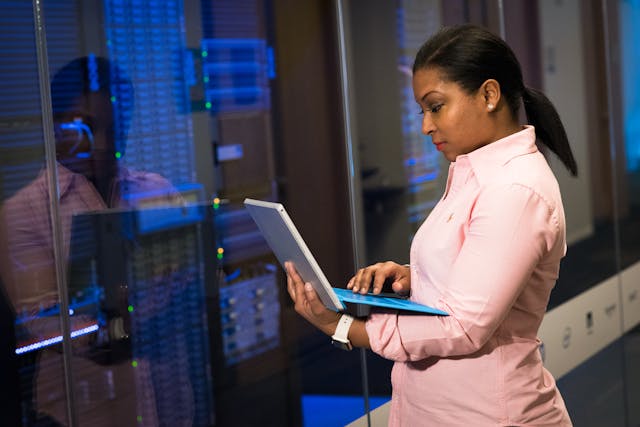
AI tools can automate ticketing systems, manage performance analytics, or even recommend optimizations for IT infrastructure. Meanwhile, skilled technicians interpret that data, apply contextual understanding, and align technological capabilities with business goals. This partnership ensures that intelligent systems enhance—not replace—human expertise.
For businesses, this means faster response times, reduced downtime, and personalized service delivery. For IT teams, it means the freedom to move beyond repetitive troubleshooting and into areas of strategic value, such as process automation, data intelligence, and business continuity planning.
Data-Driven Decision-Making and Business Intelligence
Modern managed IT services are not just about maintaining systems—they’re about turning data into insight. Every network transaction, user interaction, and performance log generates information that, when analyzed properly, can guide smarter business decisions.
Through data analytics and business intelligence tools, managed IT providers help organizations uncover trends, optimize workflows, and identify new opportunities. For instance, analyzing system usage data might reveal bottlenecks in workflow processes, or predictive models could forecast resource demand during seasonal peaks.
By converting IT metrics into actionable intelligence, managed solutions bridge the gap between technical performance and business strategy—making technology a central driver of growth.
Remote Work, Global Connectivity, and Unified Support
The rise of remote work has forever changed how businesses operate. With employees spread across locations—and often across continents—reliable IT support must now function without borders.
Managed IT solutions make this possible through remote monitoring and management (RMM) systems that provide continuous oversight of devices and networks, regardless of where they’re located. Technicians can perform maintenance, deploy updates, and resolve issues remotely, minimizing downtime and keeping operations seamless.
For globally distributed businesses, unified IT management also ensures consistent security standards, centralized data governance, and synchronized collaboration tools—making hybrid and remote work not just feasible but productive and secure.
Sustainability and Green IT Practices
As businesses embrace digital transformation, they’re also facing growing responsibility toward sustainability. Managed IT solutions are playing a key role in building eco-efficient infrastructures that reduce energy consumption and waste.
Cloud computing minimizes the need for physical servers, while virtualization allows multiple systems to operate on fewer machines. AI-driven power management tools automatically optimize resource usage, ensuring that energy isn’t wasted during low-demand periods.
Some managed providers even specialize in green IT consulting—helping clients recycle hardware responsibly, reduce carbon footprints, and adopt circular technology practices that align with corporate sustainability goals.
The Future of Managed IT: Anticipatory, Autonomous, and Adaptive
The next generation of managed IT support will go beyond proactive management—it will be anticipatory. With advanced AI, predictive analytics, and self-healing systems, IT environments will be capable of detecting, diagnosing, and fixing issues automatically—often before they even impact users.
These self-optimizing networks will also continuously adapt to changes in workload, security threats, and user behavior, ensuring uninterrupted performance. Businesses will no longer see IT as a separate function but as a self-sustaining ecosystem that powers every part of their operations.
In this future, managed service providers will evolve into strategic technology partners—guiding innovation, enabling automation, and helping businesses stay ahead in an increasingly intelligent marketplace.
Conclusion: Managed IT as the Backbone of the Intelligent Enterprise
The future of IT support isn’t about fixing problems—it’s about creating intelligent systems that prevent them. Managed IT solutions have already proven their ability to turn reactive support into proactive strategy, and now they’re driving the next wave of business transformation.
By combining automation, AI, data analytics, and human expertise, managed IT empowers businesses to become more agile, secure, and innovative. It provides the digital foundation that supports everything from remote work to smart infrastructure and sustainable growth.
In the coming years, businesses that thrive will be those that treat IT not as a background function but as the engine of intelligence and innovation. Managed IT solutions are not just supporting this evolution—they’re leading it, one smart decision and one connected system at a time.