
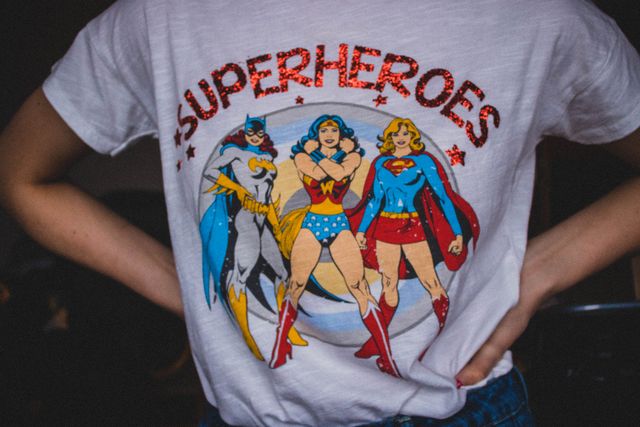
A printed shirt used to be a fairly simple product: choose a design, select a shirt, print a quantity, and sell or distribute the finished pieces. That model still exists, but personalization is pushing the industry toward something far more flexible. Customers increasingly want clothing that reflects a specific event, community, business, interest, identity, or creative idea—and they expect the process of creating it to be easier than before.
For businesses providing custom shirt printing services, this shift is changing both production and commerce. Digital design tools, smarter ordering systems, shorter production runs, artificial intelligence, improved workflow technology, and changing expectations around sustainability are creating new possibilities. Customization is moving away from being a special request and becoming part of how customers expect apparel to be purchased.
The next era of shirt printing will therefore be shaped by more than printing technology. It will depend on how effectively businesses connect creative freedom with fast, reliable, and increasingly personalized customer experiences.
Personalization Is Moving Beyond Names and Logos
Customization once commonly meant adding a company logo, team name, event date, or short message to a standard shirt.
Customers now have much broader expectations.
They may want original illustrations, personalized typography, inside references for a group, location-specific designs, individual names, or variations of the same concept for different people.
This changes the role of a custom printing business. Customers are not necessarily arriving with production-ready artwork. Some begin with an idea, rough sketch, photograph, or description of what they want.
The printing process therefore increasingly begins before the printing itself.
Businesses need efficient ways to turn concepts into usable designs while maintaining realistic expectations about resolution, color, placement, garment characteristics, and production limitations.
The easier this creative process becomes, the more accessible personalization becomes to people without professional design experience.
AI Will Make Design Creation Faster
Artificial intelligence is likely to influence the earliest stages of custom apparel creation significantly.
Someone who knows what they want conceptually may not know how to illustrate it. AI-assisted creative tools can help generate initial concepts, experiment with layouts, suggest variations, or transform rough ideas into clearer visual directions.
This could dramatically shorten the distance between imagination and a printable concept.
For printing businesses, AI may also accelerate repetitive design work. Certain background-removal, image-cleanup, resizing, layout, and preparation tasks can become faster when intelligent tools assist human designers.
However, faster creation introduces new responsibilities.
Businesses need to consider image quality, originality, intellectual property, and whether generated artwork will reproduce effectively on fabric. A design that looks impressive on a screen is not automatically suitable for printing.
Human design judgment will remain valuable because production introduces physical constraints that an image generator may not understand.
Customers Will Expect to Preview Before They Purchase
Buying customized clothing involves uncertainty because the customer is ordering something that may not physically exist yet.
Better visualization can reduce that uncertainty.
Digital mockups already allow buyers to see approximately how artwork will appear on a shirt. Future systems can make these previews increasingly realistic and interactive.
Customers may be able to compare different placements, garment variations, print sizes, and design options before approving an order.
This has operational advantages as well.
Clear previews can reduce misunderstandings about artwork size or positioning. Customers can approve important design details earlier, decreasing the likelihood of discovering mismatched expectations after production.
The challenge is ensuring previews remain representative rather than creating unrealistic expectations. Fabric texture, garment shape, printing method, screen appearance, and physical color reproduction can all affect the final result.
Visualization should improve decision-making without pretending digital and physical products are identical.
Smaller Production Runs Will Become More Important
Traditional apparel production often benefits economically from large quantities. Custom fashion is creating stronger demand for smaller runs.
A local event may need a limited number of shirts. A creator might want to test a design before committing to larger production. A business could require different versions for separate departments, while an individual may want only one personalized piece.
Flexible production methods can make these smaller orders more practical.
This can change the economics of experimentation. Instead of predicting whether hundreds of people will purchase a design, sellers can begin with limited quantities and respond to actual demand.
Smaller runs can also support more niche creativity.
A design does not need mass-market appeal if production can remain viable at lower volumes. That creates opportunities for highly specific communities, events, interests, and occasions.
The future of custom printing may consequently involve many more designs produced in smaller quantities rather than a limited number produced at very large scale.
On-Demand Production Could Reduce Unwanted Inventory
Inventory risk is one of the persistent challenges in apparel.
Businesses must decide which designs, sizes, and variations customers will purchase. Incorrect predictions can leave unsold products that require discounts, storage, or disposal.
Custom printing can support a different model.
When appropriate, products can be created after demand is known rather than entirely in advance. This reduces the need to guess which printed designs will sell.
Blank garment inventory still needs careful management, and production capacity remains limited. On-demand models do not eliminate inventory planning.
They do, however, shift part of the uncertainty.
Instead of stocking every possible finished design, a business may maintain a more flexible base of printable apparel and create specific products as orders arrive.
This approach can be particularly useful when trends change quickly or customers expect greater variety.
Faster Turnaround Will Become a Competitive Expectation
Personalized products were once associated with long production times. Digital commerce has changed customer expectations.
People are accustomed to receiving order confirmations immediately, tracking purchases, and seeing clear estimates for fulfillment. They increasingly bring those expectations to customized goods.
Printing businesses therefore need to improve more than machine speed.
Artwork approval, order processing, garment availability, production scheduling, quality control, packaging, and delivery all influence turnaround time.
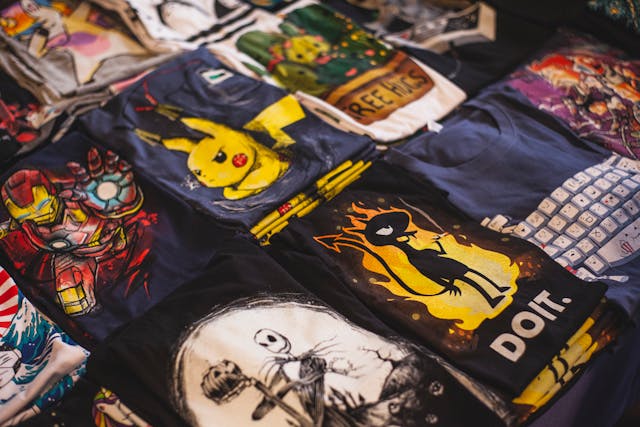
A fast printer cannot compensate for a slow approval process.
The strongest operations will examine the entire order journey and identify where work commonly waits. Removing these delays can sometimes improve turnaround more effectively than increasing production speed alone.
Customers do not experience separate departments. They experience the total time between placing an order and receiving the finished shirt.
E-Commerce Will Make Customization More Interactive
Online commerce allows custom printing businesses to serve customers who may never visit a physical location.
The next stage is making online customization feel less like completing an order form and more like building a product.
Customers can increasingly expect to choose apparel, upload artwork, adjust design placement, enter personalized information, review previews, and approve orders through a connected digital experience.
For businesses, the important development is what happens behind that interface.
Customer selections should translate accurately into production instructions. Otherwise, employees have to manually interpret or re-enter information, increasing the possibility of mistakes.
A well-connected ordering process can reduce this friction.
As personalization grows, e-commerce systems will need to handle greater variation without making ordering confusing. Offering unlimited options may sound appealing, but too many choices can overwhelm customers.
Successful customization will combine creative flexibility with a simple purchasing experience.
Social Commerce Can Turn Trends Into Shirts Quickly
Fashion trends can now emerge within hours through online communities and social platforms.
That creates an unusual opportunity for custom apparel because printed designs can often respond faster than traditional fashion production cycles.
Creators, communities, event organizers, and small businesses can turn timely ideas into physical products while interest remains high.
Shorter production runs make this especially useful because sellers do not necessarily need to commit to large quantities.
However, speed creates risks.
A rushed design may contain errors, reproduce poorly, or create intellectual-property concerns. Trends can also disappear quickly, leaving inventory behind if production is based on overly optimistic demand.
The businesses best positioned for fast-moving commerce will combine production speed with disciplined approval and demand planning.
Being first is useful only when the finished product is worth receiving.
Sustainability Will Influence Production Decisions
Consumers are paying more attention to what happens before and after they purchase clothing.
Custom printing intersects with sustainability in several ways, including garment selection, ink and production processes, energy use, packaging, shipping, and excess inventory.
On-demand and small-batch production can help address one part of the problem by reducing the number of unwanted finished designs produced purely on forecasted demand.
Durability is another important consideration.
A shirt that remains wearable and visually appealing after repeated use provides more lasting value than one that quickly deteriorates.
Businesses may increasingly need to communicate clearly about materials and care rather than relying on vague environmental claims.
Sustainability in personalized apparel will ultimately depend on practical production decisions across the product’s life rather than one fashionable label attached to it.
Automation Will Change the Production Floor
As order volumes and design variations increase, manually coordinating every production step becomes difficult.
Automation can help connect ordering, artwork preparation, scheduling, production, quality checks, and fulfillment.
For example, standardized order information can reduce the need for employees to repeatedly interpret customer instructions. Production queues can be organized according to deadlines, garment availability, printing requirements, and other practical constraints.
This does not mean printing becomes employee-free.
Physical products still need handling, inspection, equipment management, and quality judgment. Unusual orders also require problem-solving that does not fit perfectly into automated rules.
The strongest use of automation will be reducing repetitive coordination so employees can spend more time on work requiring skill and attention.
Custom Apparel Will Become More Connected to Communities
One reason personalized shirts remain popular is that clothing can communicate belonging.
Teams, schools, businesses, clubs, families, charities, events, online communities, and informal groups all use apparel to create shared identity.
Digital commerce makes it easier for these communities to create highly specific designs without needing mass-market demand.
This could make custom apparel increasingly fragmented in an interesting way.
Instead of everyone purchasing from the same limited collection of designs, smaller groups can create clothing that has meaning primarily to them.
That makes the value of the product partly emotional rather than purely functional.
A shirt can commemorate an event, represent membership, support a cause, or preserve a shared joke. Printing technology enables the product, but the reason someone values it often comes from the story behind the design.
Data Can Help Businesses Understand What Customers Actually Want
Customization generates useful information about preferences.
Businesses can learn which garment types, sizes, design placements, order quantities, and occasions are most common. They can also identify seasonal demand and recurring customer needs.
Used responsibly, this information can improve planning.
If certain blank garment sizes are consistently required, inventory decisions can reflect that. If particular periods generate large volumes of event orders, staffing and production capacity can be prepared earlier.
Data can also reveal where customers abandon the ordering process.
Perhaps artwork requirements are confusing or too many customization choices make selection difficult. These signals can guide improvements to the buying experience.
The objective is not to remove creativity from custom apparel. It is to make the operational side better prepared for the creativity customers bring.
The Future Is Personal, but Convenience Will Decide Who Wins
Personalization alone will not define the next era of custom shirt printing.
Customers will expect creative freedom alongside convenience. They will want to turn ideas into designs quickly, understand how the finished product will look, order the quantity they actually need, receive clear updates, and get consistent quality.
AI can make design creation and preparation faster. Digital previews can reduce uncertainty. Flexible production can support smaller quantities, while connected e-commerce systems can make ordering easier. Automation can help businesses coordinate increasingly varied orders without allowing complexity to overwhelm production.
Yet the physical product still matters.
A clever design experience cannot compensate for poor printing, an unsuitable garment, incorrect placement, or inconsistent quality.
That balance will shape where the industry goes next. Technology will make customization easier and more accessible, but successful printing businesses will use it to strengthen rather than distract from the fundamentals.
The future of custom shirt printing is therefore not simply about putting more designs on more shirts. It is about shortening the distance between an individual’s idea and a physical product they genuinely want to wear. As that distance becomes smaller, personalized apparel can become a much more natural part of everyday fashion and commerce.