
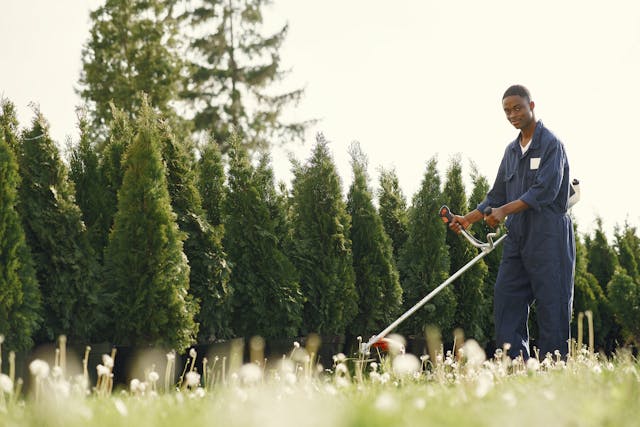
Outdoor spaces are changing because the way people use property is changing. Homes are not only places to live anymore. They may also be workspaces, exercise areas, family gathering spots, pet zones, small food gardens, outdoor kitchens, rental units, or quiet retreats. Cities are also shifting, with denser neighborhoods, hotter paved areas, heavier stormwater pressure, and more demand for green spaces that are useful instead of decorative only.
Future ready landscape design and maintenance means planning outdoor areas that can handle these changes without becoming harder to care for every year. A good outdoor space should look attractive, support daily use, manage weather better, and stay practical for the people who maintain it. Design choices now need to think about comfort, water, shade, access, durability, and long-term upkeep.
Outdoor Spaces Are Becoming More Functional
Many homeowners want yards that do more than look nice through a window. A backyard may need space for children, pets, gardening, cooking, relaxing, and working outside. A front yard may need better curb appeal, cleaner walkways, safer lighting, and planting that does not demand constant attention. Commercial properties may need outdoor areas that welcome visitors, reduce heat, and stay neat with regular maintenance.
This shift changes how outdoor spaces are planned. A large open lawn may not be useful for every property. Some families may prefer a mix of seating, shade, low-maintenance planting, and clear walking paths. Other properties may need better drainage, stronger ground surfaces, or planting that can survive heat and irregular watering.
The future of landscape design is less about filling space and more about matching the space to real use. A yard that looks impressive but is difficult to walk through, expensive to water, or hard to maintain will feel outdated quickly. A simpler design that works well every week often has more value.
Climate Pressure Is Changing Maintenance Needs
Weather is becoming a bigger part of outdoor planning. Hotter summers, heavy rain, longer dry periods, and sudden storms can all affect lawns, plants, trees, paths, and drainage systems. A design that worked years ago may struggle under newer conditions.
Properties need planting that can handle local weather patterns. This may mean using more drought-tolerant plants, improving soil health, adding mulch, reducing thirsty lawn areas, and choosing trees that provide shade without causing root or maintenance problems. Stronger plant choices can reduce replacement costs and keep outdoor areas looking healthier.
Maintenance also needs to adjust. Watering schedules, pruning times, mowing heights, and soil care should match seasonal conditions instead of following the same routine all year. A future ready property is not neglected, but it is also not overworked. Maintenance should support plant health rather than forcing the space to look the same in every season.
Water Management Will Matter More Than Appearance Alone
Drainage used to be treated as a technical detail, but it now shapes the success of many outdoor spaces. Poor water flow can damage lawns, create muddy spots, weaken pavement, flood planting beds, attract pests, and push water toward foundations. A property may look finished on the surface but still fail during the first heavy rain.
Future ready design pays attention to where water goes. Grading, soil preparation, rain gardens, permeable surfaces, drains, swales, and well-placed planting can all help move or absorb water more effectively. The goal is to reduce standing water and keep important areas usable after storms.
Maintenance teams also play a role. Drains need to stay clear. Mulch should not block water movement. Soil should not become compacted in high-traffic areas. Leaves and debris should be removed from areas where they can clog runoff paths. Water management is not a one-time installation. It needs regular attention.
Shade Will Become a Bigger Design Priority
Outdoor comfort depends heavily on shade. Patios, walkways, parking areas, play spaces, and seating zones can become uncomfortable when they sit in direct sun all day. Shade trees, pergolas, covered areas, and smart plant placement can make outdoor spaces more usable during hot weather.
Trees are especially important, but they need to be chosen and placed carefully. A tree planted too close to a structure, walkway, driveway, or utility line can create problems later. A tree with weak branches may become a storm risk. A tree that drops heavy debris over seating areas may increase cleanup work.
Good shade planning looks ahead. Young trees take time to mature, so property owners need to think about how the space will feel five, ten, or fifteen years later. Maintenance matters too. Pruning, watering, soil care, and health checks help trees become long-term assets instead of future hazards.
Low-Maintenance Does Not Mean No Maintenance
Many property owners ask for low-maintenance outdoor spaces, but that phrase can be misunderstood. Every yard, garden, courtyard, or commercial exterior needs some level of care. Plants grow, weeds appear, leaves fall, soil shifts, and surfaces collect dirt. Low-maintenance design simply reduces unnecessary work.
A low-maintenance space may use fewer high-demand plants, better mulch coverage, durable edging, slower-growing shrubs, strong groundcover, and clear access for maintenance crews. It may also reduce lawn areas that need frequent mowing and watering. Hard surfaces may be chosen for durability and easy cleaning.
The best low-maintenance designs are planned around realistic care. A property owner who only wants monthly maintenance should not install planting that needs weekly trimming. A commercial site with heavy foot traffic should not rely on delicate groundcover near entrances. Design and maintenance need to match from the beginning.
Technology Will Support Smarter Outdoor Care
Technology is becoming part of outdoor maintenance in simple, useful ways. Smart irrigation systems can adjust watering based on weather. Soil sensors can help identify dry areas. Scheduling tools can help maintenance teams track visits, repairs, and seasonal tasks. Property managers can use photos and digital notes to document changes over time.
This does not mean every outdoor space needs expensive equipment. Technology works best when it solves a real problem. A smart irrigation controller may help a property with uneven watering. Digital maintenance logs may help a larger site track pruning, repairs, and plant health. Automated lighting timers may improve safety and energy use.
The human eye still matters. A system may tell when water has run, but a maintenance worker can notice a broken sprinkler head, yellowing leaves, pest activity, or soil washing away. Future ready care combines useful tools with regular observation.
Smaller Outdoor Spaces Need Better Planning
Homes and cities are becoming denser in many areas, which means outdoor spaces may be smaller. A compact yard, balcony, courtyard, rooftop, or side passage still has value when designed well. Small spaces need careful choices because every item takes up visible and usable room.
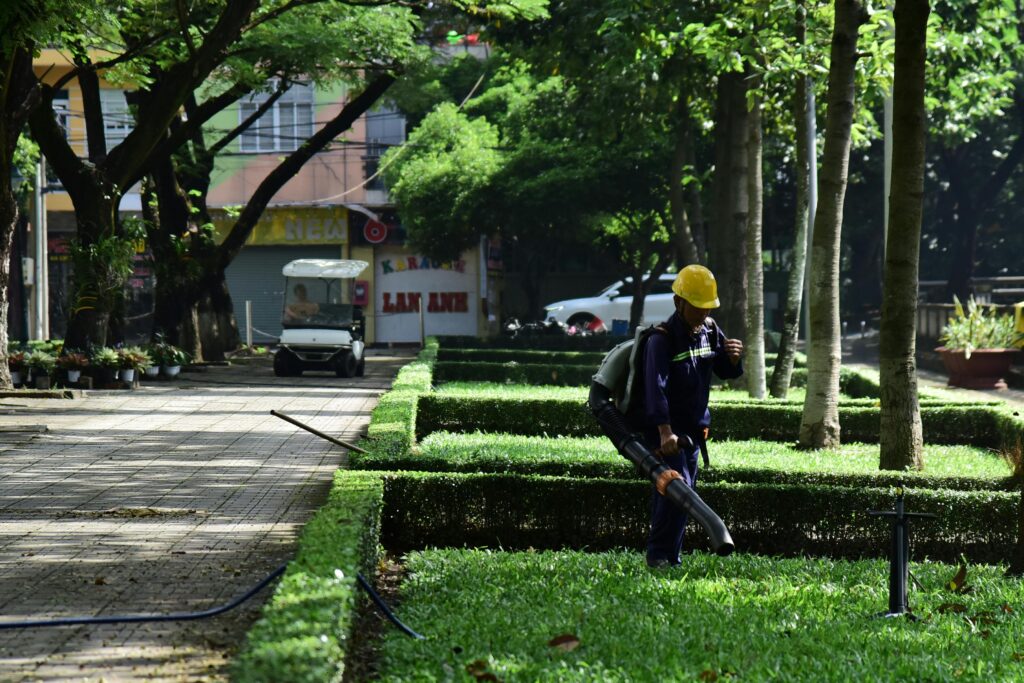
Vertical planting, built-in seating, container gardens, wall-mounted storage, narrow beds, and multi-use surfaces can make small areas feel more useful. Lighting can make the space usable at night. Shade can make it comfortable during the day. Clear walking space prevents the area from feeling crowded.
Maintenance is especially important in small spaces because mess shows quickly. Overgrown plants, stained surfaces, dead leaves, and poor drainage can make a compact area feel neglected fast. A simple, tidy design often works better than a crowded one.
Outdoor Spaces Need to Support Health and Daily Comfort
People are using outdoor areas to relax, exercise, socialize, and take breaks from indoor routines. That makes comfort and accessibility more important. A yard should be easy to enter, safe to walk through, and pleasant to spend time in.
Walkways should be stable. Steps should be visible. Seating should be placed where people actually want to sit. Lighting should support safety without feeling harsh. Plants should not block paths or scratch against people as they pass. Pet areas, play areas, and garden areas should be planned so they do not interfere with each other.
A future ready outdoor space should make daily life easier. A beautiful garden that nobody uses has limited value. A well-planned space that supports morning coffee, family time, quiet work, or evening walks becomes part of the home’s routine.
Cities Need Greener Spaces That Can Handle Heavy Use
Urban outdoor spaces face different pressure. Parks, sidewalks, commercial fronts, apartment courtyards, parking areas, and public plazas may deal with heat, foot traffic, pollution, compacted soil, limited planting room, and vandalism. These spaces need durability as much as beauty.
Planting in cities should be selected for toughness, root conditions, heat tolerance, and maintenance access. Trees need enough soil volume to grow. Ground surfaces need to support movement without turning muddy or cracked. Public areas need clear sightlines, safe lighting, and easy cleanup.
Maintenance planning is critical in city spaces. A poorly maintained public planting bed can quickly collect trash, weeds, and damaged plants. A well-managed green area can make a street or property feel safer, cooler, and more welcoming.
Outdoor Design Should Make Maintenance Easier
A common mistake is designing a space without thinking about who will maintain it. Narrow corners that are hard to mow, plants that block access panels, beds with no edging, and surfaces that stain easily all create future frustration. Maintenance should be part of the design conversation from the start.
Clear access routes help crews reach planting beds, irrigation systems, drains, lighting, and trees. Plant spacing should allow growth without constant trimming. Materials should match the level of traffic. Storage areas should have practical paths. Outdoor features should not make routine care difficult.
A good maintenance-friendly design saves time and money. It also helps the property keep its original look for longer because the care plan is realistic.
Plant Choices Should Reflect Long-Term Growth
Young plants can be misleading. A shrub that looks perfect at installation may become too large for its location. A tree that seems small may eventually shade the wrong area or interfere with a roofline. Fast-growing plants may create more pruning work than expected.
Future ready design considers mature size. Plants should have room to grow naturally where possible. This reduces harsh pruning and helps the space look healthier. It also prevents overcrowding, which can lead to poor airflow, pest issues, and weak growth.
Choosing fewer, better-suited plants can be smarter than filling every empty spot. A cleaner planting plan often ages better and requires less correction later.
Outdoor Lighting Will Need to Balance Safety and Atmosphere
Lighting is becoming a bigger part of outdoor design. People use patios, walkways, gardens, and commercial entrances after dark. Good lighting improves safety, highlights important areas, and makes outdoor spaces feel more inviting.
Poor lighting can create glare, dark spots, and wasted energy. Future ready lighting should be placed with purpose. Path lights should guide movement. Entry lights should support visibility. Seating areas may need softer light. Security lighting should protect the property without making the space uncomfortable.
Maintenance includes checking fixtures, replacing bulbs, cleaning lenses, adjusting timers, and making sure plants do not block light. A lighting plan only works if it remains functional after plants grow and seasons change.
Outdoor Spaces Should Be Flexible
Needs change. A young family may need play space now and seating later. A homeowner may want a garden today and lower maintenance in a few years. A commercial property may need space for visitors, deliveries, events, or outdoor staff breaks. Flexible design makes those changes easier.
Open areas, movable planters, modular seating, simple bed shapes, and durable surfaces can help a space adapt. Permanent features should be placed carefully so they do not limit future use. Utilities, drainage, and access should be planned with possible changes in mind.
Flexibility saves money because the whole space does not need to be rebuilt whenever priorities shift. A future ready outdoor area can change gradually.
Maintenance Records Will Become More Valuable
Keeping track of outdoor care can help property owners make better decisions. Notes about plant replacements, drainage problems, irrigation repairs, pest issues, pruning dates, and storm damage can show patterns. Without records, the same problems may be treated again and again without fixing the cause.
A simple maintenance log can be useful for larger homes, rental properties, commercial sites, and public spaces. Photos are especially helpful because they show how the site changes through seasons. Records can also help when hiring new maintenance providers because they give a clearer history of the property.
Future ready maintenance is not only about doing tasks. It is about learning how the property behaves and adjusting care based on what actually happens.
Better Outdoor Planning Creates Longer-Term Value
Future ready landscape design and maintenance are about building outdoor spaces that can handle real life. Homes, cities, and commercial properties need areas that are attractive, durable, comfortable, and easier to care for. That requires smart planning around water, shade, plant growth, access, lighting, technology, and changing use.
The best outdoor spaces do not feel overdesigned. They feel natural to use. Paths are where people need them. Shade falls where people gather. Plants fit the site. Water drains properly. Maintenance is manageable. The space keeps working as seasons, weather, and property needs change.
Outdoor areas will keep becoming more important as homes and cities adapt. Properties that plan ahead will be easier to maintain, more comfortable to use, and better prepared for the future.