
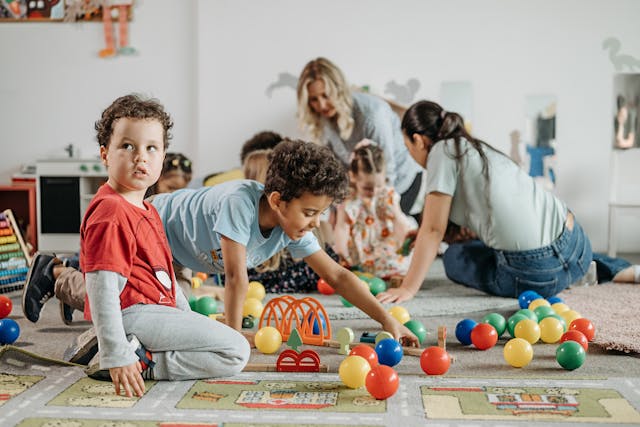
Childhood looks different today than it did for many parents growing up. Families are busier, routines shift more often, screen time is harder to manage, and children are exposed to new ideas, pressures, and expectations earlier than before. Parents want their children to feel safe, confident, curious, and socially ready, but they cannot always provide every learning moment alone.
Supportive, engaging childcare has become an important part of that picture. A good childcare setting does more than supervise children during the day. It gives them steady routines, caring adults, social practice, play-based learning, and a safe space to build independence at their own pace.
Children Need Stability When Life Feels Busy
Many families move through packed schedules. Parents may balance work, errands, school runs, appointments, and household responsibilities. Children feel that pace too, even when they cannot explain it. A predictable childcare routine can give them a calmer rhythm during the day.
Consistent drop-off routines, meal times, play periods, rest time, and group activities help children know what to expect. That sense of order can reduce anxiety and make transitions easier. Young children especially benefit when the adults around them respond with patience and consistency.
A stable childcare setting also helps parents. When they know their child is cared for in a safe and familiar place, they can focus on work and daily responsibilities with less worry. That trust matters because childcare is not just about convenience. It is about partnership.
Supportive Care Helps Children Build Confidence
Confidence grows through small moments. A child learns to put away toys, ask for help, share with a friend, try a new activity, or speak during circle time. These moments may seem simple, but they shape how children see themselves.
Supportive childcare gives children chances to practice independence while still having adults nearby. A teacher may encourage a child to pour water carefully, choose a book, join a group game, or solve a small disagreement with words. Each successful step helps the child feel capable.
Children also need encouragement when things do not go smoothly. A caring adult can help a child handle frustration, try again, and understand that mistakes are part of learning. That kind of support builds emotional strength, not just classroom readiness.
Play Is Still One of the Best Ways Children Learn
Children learn through play because play lets them test ideas safely. Building blocks teach balance, problem-solving, and patience. Pretend play helps children understand roles, language, and emotions. Art activities build creativity and fine motor skills. Outdoor play supports movement, coordination, and confidence.
Engaging childcare does not treat play as wasted time. It uses play as a natural learning tool. A child sorting colors, counting objects, telling a story with toys, or working with others is building skills that support later learning.
Parents sometimes worry that children need formal lessons earlier and earlier. Young children do need exposure to language, numbers, routines, and social skills, but those lessons often work best when they are woven into play. A good childcare environment understands this balance.
Social Skills Need Real Practice
Children are not born knowing how to share, wait, listen, cooperate, or express feelings calmly. They learn those skills through daily practice. Childcare gives children regular chances to interact with peers in a guided setting.
A group environment helps children learn that other people have needs too. They take turns, negotiate play, comfort friends, and learn how their actions affect others. These experiences prepare them for school and for life beyond the classroom.
Conflict is part of that learning. A child may grab a toy, refuse to share, cry when a game changes, or struggle to join a group. Supportive caregivers do not simply punish the behavior and move on. They help children name feelings, understand boundaries, and try better responses next time.
Engaged Caregivers Notice the Small Things
Good childcare depends heavily on attentive adults. Children show their needs in many ways. A quiet child may need help joining play. An active child may need movement before sitting for a story. A tired child may need comfort. A child who suddenly acts differently may be reacting to change at home, lack of sleep, illness, or stress.
Engaged caregivers notice patterns. They learn each child’s personality, strengths, fears, and habits. That awareness helps them respond more thoughtfully. It also helps parents understand their child better because caregivers can share what they observe during the day.
Communication between parents and childcare staff matters here. A quick update about sleep, meals, mood, friendships, or new skills can help everyone support the child more effectively. Parents do not need long reports every day, but they do need honest, useful communication.
Childcare Can Support Language and Early Learning
Children build language through conversation, songs, stories, questions, and everyday interaction. A strong childcare setting gives them many chances to hear and use words. Teachers may describe activities, ask open questions, read aloud, encourage storytelling, and help children explain their feelings.
Early learning also happens through routine. Counting cups at snack time, noticing shapes during art, comparing sizes while building, and talking about weather during outdoor play all support thinking skills. These moments feel natural to children because they are part of the day.
Supportive childcare does not rush children into pressure-filled academics. It prepares them by building curiosity, attention, vocabulary, listening skills, and comfort with group routines. Those foundations make later school learning easier.
Emotional Support Matters as Much as Activities
A childcare center can have beautiful toys, bright rooms, and planned lessons, but children still need emotional safety first. A child learns best when they feel secure with the adults around them. Warm greetings, gentle correction, patient listening, and predictable responses all help create that safety.

Children need adults who can handle big feelings without shaming them. Crying, anger, fear, jealousy, and excitement are normal parts of early development. A supportive caregiver helps children move through those feelings and learn better ways to express them.
This emotional support also helps children build trust outside the family. Learning that other caring adults can guide and protect them is an important step toward independence.
Modern Childhood Needs Balance With Screens
Screens are part of many children’s lives now. Parents often worry about how much is too much, especially when phones, tablets, and videos are easy to access. Childcare can help by giving children active, hands-on experiences that balance digital exposure.
A strong childcare setting gives children real play, real movement, real conversation, and real social interaction. These experiences cannot be replaced by a screen. Children need to touch materials, climb, draw, sing, build, pretend, and talk with others.
Some childcare settings may use technology in limited ways, but it should never become the center of the day. Young children benefit most from direct interaction, creative play, books, music, outdoor time, and meaningful routines.
Outdoor Time Supports Health and Curiosity
Outdoor play is more than a break from indoor activities. It helps children develop strength, balance, coordination, and confidence. Running, climbing, digging, jumping, and exploring all support physical growth. Outdoor spaces also give children room to release energy and regulate emotions.
Nature-based experiences can spark curiosity. Children notice leaves, bugs, clouds, shadows, rocks, rain, and seasonal changes. These observations help them ask questions and pay attention to the world around them.
A childcare program that values outdoor time gives children a healthier daily rhythm. Fresh air and movement can improve mood, focus, and sleep patterns. For children who struggle to sit still indoors, outdoor play can be especially helpful.
Parents Need a Childcare Partner, Not Just a Service
Choosing childcare is emotional. Parents are trusting someone else with their child’s safety, comfort, and development. That trust grows when the childcare team treats parents with respect and keeps communication open.
A good childcare provider understands that each family is different. Some parents need reassurance during the first weeks. Some need updates about behavior or learning. Some need help with transitions, toilet training, separation anxiety, or social struggles. The provider’s role is to support the child while working with the family, not judging them.
This partnership becomes especially important during changes. A new sibling, move, divorce, illness, schedule change, or school transition can affect a child’s behavior. When caregivers and parents communicate, the child receives steadier support.
Childcare Helps Children Prepare for School Life
School readiness is not only about knowing letters and numbers. Children also need to follow routines, listen to instructions, handle separation, interact with peers, manage emotions, and ask for help. Childcare gives children daily practice with these skills.
Group activities help children learn to sit for short periods, join songs or stories, clean up materials, and move between activities. These routines make the shift into preschool or school easier. Children who have practiced group life often feel more confident when entering a classroom.
Academic exposure still matters, but it works best when paired with social and emotional readiness. A child who feels safe, curious, and able to communicate is better prepared to learn.
A Changing World Makes Human Care More Important
Families face many pressures today. Work demands, technology, social change, and busy routines can make parenting feel overwhelming. Children need places where they can slow down, connect, play, and be guided by caring adults.
Supportive, engaging childcare offers that place. It gives children structure without harshness, learning without pressure, and social practice without leaving them to figure everything out alone. It also gives parents a trusted partner during some of the most important years of development.
Raising children in a changing world does not mean chasing every new trend. It means giving children steady care, meaningful play, emotional support, and relationships that help them grow. Quality childcare can be one of the strongest supports a family has along the way.