
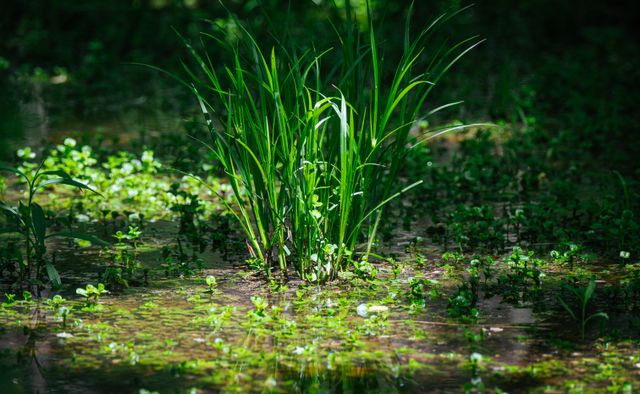
Land management is increasingly being asked to accomplish several goals at once. A property may need to support development, agriculture, transportation, recreation, or other human uses while also dealing with stormwater, erosion, habitat, water quality, and regulatory requirements. Treating each concern as an isolated problem can make projects more difficult and, in some cases, less effective over the long term.
This is where wetland, native plant, and mitigation services are becoming increasingly relevant. Rather than viewing wetlands or native vegetation simply as environmental features that sit alongside development, land managers can consider how these systems contribute to drainage, soil stability, habitat, restoration, and long-term site performance.
The future of land and ecosystem management is unlikely to involve choosing between productive land use and ecological responsibility in every situation. A more practical direction is learning where natural systems can become part of the way land is planned, restored, monitored, and maintained.
Wetlands Are Becoming Part of Broader Land Planning
Wetlands have sometimes been treated primarily as obstacles that must be identified before development can proceed.
Their role in land management is much broader.
Wetland areas can provide habitat, store water, influence local hydrology, retain sediment, and support ecological processes that extend beyond their visible boundaries.
For landowners and project teams, understanding these functions early can improve planning.
If wetlands are identified only after major design decisions have been made, projects may face redesigns, delays, or additional complications. Earlier assessment allows important environmental features to become part of site planning from the beginning.
This does not mean every project can avoid impacts completely.
It means land-use decisions can be made with a clearer understanding of where sensitive areas exist and how they relate to the rest of the property.
Native Plants Can Support More Resilient Sites
Plant selection influences how a site performs long after initial construction or restoration is complete.
Native plants can be valuable because they have developed within the environmental conditions of their regions. When properly matched to a site, they may fit local soil, moisture, temperature, and seasonal patterns more naturally than poorly adapted alternatives.
That does not mean every native species will succeed everywhere.
A plant suited to a wet lowland area may perform poorly on a dry slope even if both locations are within the same region.
Successful planting therefore begins with site conditions.
Managers need to consider sunlight, soil characteristics, drainage, expected water levels, competition, and the intended function of the planting.
Choosing plants because they are native is only the first step. Choosing the right native plants for the specific location is what gives restoration a stronger chance of long-term success.
Mitigation Is Moving Beyond Simple Replacement
Environmental mitigation can sometimes be misunderstood as a straightforward exchange: an ecological area is affected in one place, so another area is created or restored elsewhere.
Real ecosystems are more complicated.
A successful mitigation project needs more than acreage. Hydrology, soils, vegetation, surrounding land use, invasive species, and long-term management can all influence whether a restored area develops as intended.
This is why mitigation is increasingly connected with broader ecological planning.
The objective is not simply to complete an initial construction or planting phase. The restored system needs to establish, function, and remain manageable over time.
Monitoring plays an important role in determining whether those goals are being achieved.
If vegetation is failing, water levels differ from expectations, or invasive plants are becoming dominant, early intervention may prevent a manageable issue from becoming a much larger problem.
Water Management Will Become Increasingly Important
Water is one of the strongest links between wetlands and broader land management.
Heavy rainfall can produce runoff, erosion, sediment movement, and localized flooding. At the same time, changing weather patterns can create periods when water availability becomes limited.
Land planning needs to account for both conditions.
Wetlands and vegetated areas can be part of larger strategies for managing how water moves through a property. Depending on the site, vegetation can slow runoff, protect exposed soil, and support infiltration or water retention.
These natural functions do not replace engineered drainage in every situation.
Instead, future land management may rely more heavily on combinations of engineered and ecological approaches.
Understanding where water comes from, where it travels, and how long it remains on a site can help determine which solution is appropriate.
Native Vegetation Can Strengthen Erosion Management
Bare or disturbed soil is vulnerable to erosion.
Construction, grading, changing drainage patterns, and other land-use activities can expose soil and alter the way water moves across a site.
Vegetation can become part of the response.
Plant roots help stabilize soil, while above-ground growth can reduce the direct impact of rainfall and influence surface water movement.
Native plant communities can be especially useful where restoration goals extend beyond simply covering the ground.
A well-designed planting may provide erosion control while also supporting habitat and creating a more natural transition between different areas of a property.
Establishment still requires management.
Young plants may face competition from invasive species, unusual weather, or poor site preparation. Successful erosion management therefore depends on both initial planting and follow-up care.
Habitat Connectivity Will Influence Future Projects
An isolated patch of habitat can provide value, but its relationship to surrounding land also matters.
Wildlife, water, seeds, and ecological processes move across property boundaries.
Future ecosystem management is likely to pay greater attention to these connections.
A restoration project may be more useful when it complements nearby wetlands, waterways, forests, grasslands, or other natural areas.
Similarly, native vegetation can sometimes create transitions or corridors between habitats that would otherwise remain separated.
This requires looking beyond individual project boundaries.
Land managers may need to understand the surrounding area and consider how their decisions fit within larger ecological patterns.
Not every site can become a major habitat corridor. But considering connectivity can reveal opportunities that would be missed if each property were treated as an ecological island.
Better Site Assessment Can Prevent Expensive Mistakes
Many environmental problems become expensive because they are discovered late.
A project may encounter unexpected wet conditions, unsuitable soils, drainage problems, sensitive habitat, or regulatory constraints after substantial planning has already occurred.
Early site assessment can reduce this uncertainty.
Understanding hydrology, vegetation, soils, existing disturbances, and environmental features provides a stronger basis for design decisions.
Technology is making some of this work more efficient.
Mapping systems, aerial imagery, remote sensing, and digital field data can help teams understand larger areas and document changes.
However, technology does not eliminate the importance of field observation.
A map can identify patterns, but conditions on the ground may reveal drainage features, plant communities, erosion, or disturbances that require direct interpretation.
The strongest assessments combine useful technology with knowledgeable fieldwork.
Monitoring Will Become a Bigger Part of Land Management
Restoration should not be viewed as finished the day planting ends.
Ecological systems change.
Some plants establish successfully while others do not. Water patterns can shift. Invasive species can appear. Erosion may develop in unexpected places.
Monitoring provides the information needed to respond.
This can involve vegetation surveys, photographs, water observations, invasive-species checks, erosion assessments, and other measures appropriate to the project’s objectives.

New technologies may make long-term monitoring easier.
Drones, remote imagery, digital mapping, and automated data collection can help identify changes across larger areas. These tools can direct attention toward locations that may require closer inspection.
The purpose is not collecting data for its own sake.
Monitoring is useful when it leads to decisions. Information should help managers determine whether a site is progressing appropriately or whether corrective action is necessary.
Invasive Species Management Will Remain Essential
Planting native species does not guarantee that they will dominate a restored site.
Invasive plants can spread quickly, particularly in disturbed areas where soil and vegetation have recently changed.
Early detection can make management considerably easier.
If an invasive species is identified while its presence is limited, the response may be more manageable than waiting until it occupies a large portion of the site.
This makes routine inspection important during establishment.
Land managers also need realistic expectations. Restoration is not always a one-season activity.
Native plant communities may require time to become established, and maintenance strategies may need to change as the site develops.
Long-term success often depends less on achieving an instantly perfect appearance and more on steadily guiding the site toward the intended ecological condition.
Development and Ecological Planning Can Begin Together
Environmental considerations are often introduced after a development concept has already been created.
That sequence can create unnecessary conflict.
A more integrated approach brings ecological information into the planning process earlier.
If wetlands, drainage patterns, sensitive areas, and restoration opportunities are understood from the beginning, designers can evaluate alternatives while they still have flexibility.
This can influence road placement, building locations, stormwater planning, buffers, grading, and other major decisions.
Early coordination does not eliminate every environmental impact or regulatory requirement.
It can, however, reduce avoidable surprises.
The future of responsible development may depend increasingly on treating environmental planning as part of site design rather than as a separate problem to solve afterward.
Native Plants Can Serve Functional and Visual Roles
Ecological planting does not have to mean ignoring appearance.
Native vegetation can contribute to the visual identity of parks, developments, commercial properties, restoration sites, and other managed land.
The key is intentional design.
Plant communities can be selected and arranged according to site conditions while still considering seasonal appearance, height, visibility, and the way people interact with the area.
This can help ecological landscapes feel purposeful rather than neglected.
Public understanding matters here.
Some naturalistic plantings look different from conventional lawns or highly controlled ornamental landscaping. Clear boundaries, pathways, signage, or intentional edges can help communicate that the area is being actively managed.
Good ecological design can support function while still creating spaces people understand and appreciate.
Climate Resilience Will Shape Planting Decisions
Land managers increasingly need to consider whether today’s planting decisions will remain appropriate years from now.
Temperature, rainfall patterns, extreme weather, flooding, and drought can influence vegetation and site performance.
Resilience therefore requires more than selecting plants that survive under average conditions.
Diverse plant communities may provide greater flexibility because different species respond differently to stress.
Site-specific selection is also important.
Plants placed according to realistic moisture, soil, and exposure conditions have a stronger foundation than those chosen primarily for appearance.
Managers should also avoid assuming that a single planting plan will remain perfect indefinitely.
Adaptive management allows strategies to change as conditions and site performance become clearer.
Long-Term Maintenance Needs to Be Planned From the Beginning
A restoration project can be technically impressive at installation and still struggle later if nobody has planned how it will be maintained.
Maintenance requirements should influence design decisions from the start.
Teams need to consider how invasive plants will be managed, how damaged areas will be accessed, whether vegetation will require periodic management, and who will be responsible for monitoring.
Budgets matter as well.
A plan that requires intensive maintenance indefinitely may not be realistic for every property.
Designing with long-term management in mind can create more sustainable outcomes.
This is particularly important for large sites where small inefficiencies become expensive when repeated across many acres.
The best ecological projects are not simply possible to build. They are practical to manage after the initial project team has left.
The Future of Land Management Is More Integrated
Wetlands, native plants, mitigation, stormwater, habitat, development, and maintenance are often discussed as separate specialties. On actual land, they continuously interact.
Water influences vegetation. Vegetation influences soil stability and habitat. Development changes drainage. Maintenance decisions affect whether restoration goals remain achievable.
Future land management will increasingly need to recognize those connections.
That means evaluating sites earlier, selecting vegetation according to actual conditions, monitoring restoration after installation, addressing invasive species proactively, and considering how ecological systems fit alongside human land uses.
Technology can improve mapping, monitoring, and decision-making, but successful ecosystem management will still depend on understanding conditions on the ground.
The larger shift is from treating environmental work as a final requirement to viewing it as part of long-term land performance.
When wetlands are understood, native plants are selected thoughtfully, mitigation is designed around function, and maintenance is planned from the beginning, ecological management can become less reactive and more purposeful.
That approach gives landowners, developers, communities, and environmental professionals a stronger basis for managing properties that must serve human needs while continuing to support the natural systems around them.