
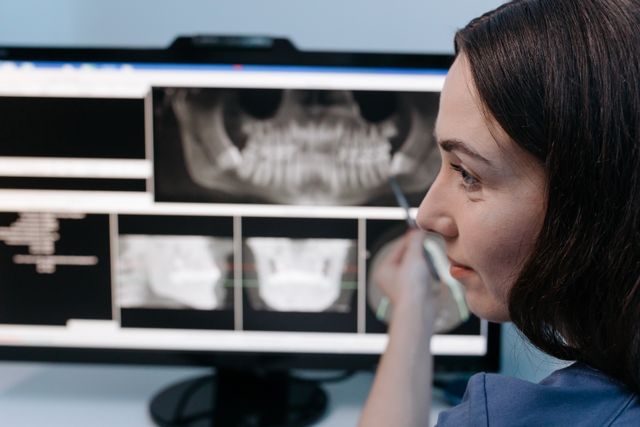
Orthodontic treatment has changed considerably over the years, giving patients more options for correcting misaligned teeth, improving their bites, and achieving healthier smiles. Advances in dental materials, digital imaging, and treatment planning are continuing to influence how orthodontists diagnose problems and guide tooth movement. These developments are also changing patient expectations, with greater attention being given to comfort, convenience, treatment duration, and appearance. In the coming years, orthodontic care is likely to become more personalized, with technology helping dental professionals make informed decisions and provide a smoother treatment experience.
Digital Treatment Planning Will Improve Accuracy
Digital technology is changing how orthodontists assess tooth alignment and prepare treatment plans. Traditional impressions can be uncomfortable for some patients, particularly those who experience a strong gag reflex. Intraoral scanners provide another option by creating detailed digital models of the teeth and surrounding structures without requiring conventional impression materials.
These digital models allow orthodontists to examine tooth positions, identify alignment concerns, and plan possible movements. They can also help patients understand their treatment goals through visual simulations. Although these simulations are useful for explaining expected changes, actual results may differ depending on biological responses and patient cooperation.
More accurate digital records can support communication between orthodontists, dental laboratories, and patients. They also make it easier to compare changes during follow-up appointments. As scanning technology continues to improve, treatment planning may become more efficient while helping clinicians identify potential challenges earlier.
Clear Aligners Will Continue to Expand Treatment Options
Clear aligners have become a popular alternative to traditional braces because they offer a less noticeable way to correct certain orthodontic problems. These removable trays gradually guide teeth into planned positions and can be taken out for meals, brushing, and flossing. This flexibility can make daily oral hygiene easier compared with fixed appliances.
Future developments may focus on improving aligner materials, fit, and movement control. Better manufacturing techniques could help produce trays that fit more precisely and provide consistent forces during treatment. Digital planning may also support more detailed adjustments based on each patient’s dental condition.
However, clear aligners are not suitable for every orthodontic case. Some complex tooth movements may require fixed braces or a combination of treatment methods. Patients must also wear their aligners for the recommended number of hours each day. An orthodontist can determine whether this option is appropriate and explain the responsibilities involved.
More Comfortable Braces and Orthodontic Materials
Traditional braces remain an important treatment option, particularly for patients who need more controlled tooth movement. Improvements in bracket design, wires, and other orthodontic components are helping dental professionals focus on effective treatment while managing unnecessary discomfort.
Modern orthodontic wires can apply controlled forces to guide teeth gradually. Bracket designs may also be developed to improve comfort and reduce irritation around the cheeks and lips. Smaller components and smoother surfaces can make appliances easier to tolerate during everyday activities, although some soreness is still common after adjustments.
Orthodontic treatment involves biological changes in the tissues surrounding the teeth, so a certain amount of pressure or tenderness is expected. Better materials may improve the experience, but they cannot eliminate every source of discomfort. Clear instructions, regular monitoring, and timely communication with the orthodontist remain important throughout treatment.
Artificial Intelligence May Support Personalized Orthodontic Care
Artificial intelligence is beginning to influence several areas of dental practice, including image analysis, treatment planning, and administrative tasks. In orthodontics, AI-supported tools may help clinicians examine dental images, identify alignment concerns, and organize information used when developing treatment plans.
These systems can assist with analyzing large amounts of digital information and comparing possible treatment approaches. They may also help monitor changes between appointments when used alongside appropriate clinical assessments. This could make it easier for orthodontists to identify cases that require closer attention or adjustments to the original plan.
However, AI cannot replace professional diagnosis or clinical responsibility. Tooth movement depends on individual biological factors, oral health, and treatment compliance. An orthodontist must review any technology-generated recommendations and decide what is appropriate for the patient. The greatest benefit is likely to come from combining digital support with clinical experience.
Remote Monitoring Could Make Follow-Up Care More Convenient
Regular appointments are necessary during orthodontic treatment to assess progress and identify potential problems. However, attending frequent visits can be difficult for patients with busy schedules, long travel distances, or other commitments. Remote monitoring tools may help make some aspects of follow-up care more convenient.
Certain digital systems allow patients to submit photographs or scans of their teeth for professional review. Orthodontists can use this information to monitor visible changes and decide whether an in-person appointment is needed. This may reduce unnecessary visits in suitable cases while keeping treatment progress under observation.
Remote monitoring does not remove the need for physical examinations. Some problems, including appliance damage, gum inflammation, and changes that require hands-on assessment, cannot be fully evaluated through photographs alone. A combination of digital communication and scheduled clinical appointments can provide a more practical approach to ongoing care.
Greater Attention to Oral Health During Treatment
Straight teeth are an important orthodontic goal, but successful treatment also depends on maintaining healthy teeth and gums. Braces and aligners can create additional challenges for oral hygiene if patients do not follow appropriate cleaning routines. Food particles and plaque may accumulate around brackets, wires, or poorly cleaned aligners.
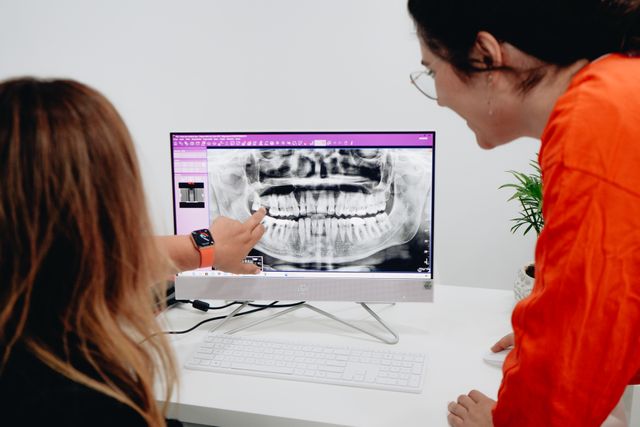
Future orthodontic care is likely to place even greater emphasis on preventive dental support. Digital reminders, personalized hygiene instructions, and regular gum assessments may help patients maintain better routines throughout treatment. Dental professionals can also identify early signs of inflammation, enamel changes, or tooth decay before these problems become more serious.
Patients should continue brushing carefully, cleaning between their teeth, and following their orthodontist’s recommendations. Those using removable aligners should clean the trays as instructed and avoid wearing them while eating or drinking anything other than water unless advised otherwise. Maintaining oral health during treatment helps protect the results after appliances are removed.
Shorter Treatment Times Will Depend on Better Planning
Many patients want orthodontic treatment to be completed as quickly as possible. However, moving teeth safely requires time because the surrounding bone and supporting tissues must adapt to gradual changes. Treatment duration depends on several factors, including the complexity of the case, the patient’s age, biological response, and consistency in following instructions.
Improved diagnostic tools and treatment planning may help orthodontists identify efficient approaches for suitable cases. Better control over tooth movement could also reduce unnecessary adjustments or delays caused by planning problems. Nevertheless, faster treatment should never come at the expense of dental health or stability.
Patients should be cautious about claims that promise unusually short treatment periods for everyone. A realistic treatment schedule is based on an individual examination and a clear understanding of the required tooth movements. Regular appointments and good compliance remain important for achieving predictable results.
Orthodontic Care Will Become More Patient-Centred
Future orthodontic services are likely to focus not only on correcting dental alignment but also on improving the overall patient experience. Comfort, appearance, convenience, communication, and access to information all influence how people feel about their treatment. Patients increasingly want to understand their options and take an active role in decisions about their dental care.
Digital consultations, visual treatment simulations, and clearer explanations may help patients feel more confident before starting treatment. Orthodontists can use these tools to discuss expected outcomes, possible limitations, treatment costs, and the responsibilities involved. Better communication also helps patients understand why certain procedures or appliances are recommended.
Personalized care means recognizing that different patients have different priorities. Some may prefer removable appliances, while others may need the control offered by fixed braces. Age, dental condition, lifestyle, and oral hygiene habits all influence the most suitable approach. A treatment plan should reflect clinical needs while considering what the patient can realistically manage.
The Future of Orthodontics Will Combine Technology and Clinical Expertise
Orthodontic treatment is moving towards more accurate planning, improved materials, convenient monitoring, and greater attention to individual needs. Clear aligners, digital scanning, AI-supported assessments, and remote communication are creating new possibilities for dental professionals and patients. These developments may help make treatment more organized and improve comfort throughout the process.
Despite these advances, successful orthodontic care will continue to depend on professional diagnosis, careful supervision, and patient cooperation. Technology can support better decisions, but it cannot replace an orthodontist’s understanding of dental health and individual treatment requirements.
For patients considering braces or aligners, the most important step is to seek an assessment from a qualified orthodontic professional. Understanding the available options, expected treatment duration, and daily care requirements can help set realistic expectations. The future of orthodontics is not simply about newer appliances; it is about providing effective dental care that supports healthier smiles and a better patient experience.