
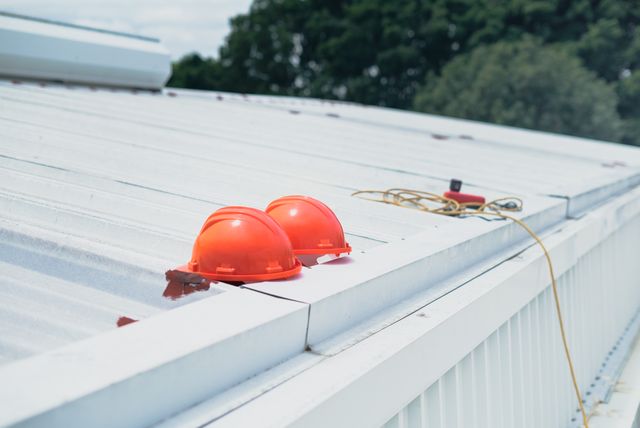
Roofing and gutter systems play an essential role in protecting homes from rain, wind, heat, and other weather conditions. However, changing climate patterns, new building materials, and advances in construction technology are influencing how these systems are designed, installed, and maintained. Homeowners are also paying greater attention to energy efficiency, long-term durability, and the cost of property maintenance. As a result, roofing and gutter services are moving beyond basic repairs and replacements toward more planned solutions that help properties remain protected over time. Understanding these developments can help homeowners make better decisions when maintaining or upgrading their roofs.
More Durable Roofing Materials for Long-Term Protection
Material selection will remain one of the most important considerations in future roofing projects. Traditional roofing materials continue to serve many properties, but homeowners are increasingly interested in options that offer longer service lives, improved weather resistance, and manageable maintenance requirements. The right choice depends on the building’s structure, local climate, budget, and appearance preferences.
Modern roofing materials include improved metal roofing systems, architectural shingles, synthetic roofing products, and advanced protective coatings. Each option has different characteristics in terms of weight, installation requirements, resistance to moisture, and expected lifespan. Some materials are designed to withstand stronger winds or reduce the effects of prolonged exposure to sunlight, making them suitable for particular environments.
As material technology develops, roofing contractors will have more options to recommend based on individual property requirements. Homeowners should consider more than the initial purchase price when comparing materials. Installation quality, maintenance needs, weather performance, and expected replacement intervals all contribute to the long-term value of a roofing investment.
Energy-Efficient Roofing Will Become More Important
Energy efficiency is becoming a greater priority for homeowners looking to manage household expenses and maintain comfortable indoor temperatures. Roofs have a direct influence on how much heat enters or leaves a building, particularly in properties exposed to strong sunlight. Poor insulation and unsuitable roofing materials can increase the demand placed on heating and cooling systems.
Reflective roofing materials and suitable roof coatings can help reduce heat absorption by reflecting a greater proportion of incoming sunlight. Proper insulation and ventilation also play important roles in managing indoor temperatures. When these elements work together, they can help reduce excessive heat buildup and improve the overall performance of the building.
Future roofing projects are likely to place greater emphasis on evaluating the entire roof system rather than focusing only on its outer surface. Contractors may assess insulation, ventilation, roof color, and material suitability when recommending improvements. These considerations can help homeowners choose solutions that support comfort while managing energy consumption.
Smarter Roof Inspections and Early Problem Detection
Roof damage is not always easy to identify from the ground. Small cracks, loose materials, damaged flashing, and hidden moisture can develop into larger problems if they remain unnoticed. Traditionally, homeowners have relied on periodic inspections or arranged repairs after visible signs of damage appear. New inspection technologies are creating additional ways to identify potential concerns earlier.
Drones equipped with cameras can help roofing professionals examine difficult-to-access areas without requiring someone to walk across the entire roof. High-resolution images can make it easier to identify missing shingles, damaged sections, blocked drainage points, and other visible defects. In some cases, thermal imaging may also help identify temperature differences that require further investigation.
These technologies can make inspections more convenient, particularly for large or steep roofs. However, images and automated assessments do not replace professional judgment. Contractors still need to evaluate the condition of materials, investigate suspected moisture problems, and determine whether repairs or replacement are necessary. Combining modern inspection tools with practical experience can support more informed maintenance decisions.
Better Gutter Systems for Effective Water Management
Gutters are often overlooked when homeowners think about roof maintenance, yet they play a major role in directing rainwater away from buildings. When gutters become blocked, damaged, or incorrectly positioned, water may overflow and affect exterior walls, foundations, landscaping, and other areas around the property. Future gutter services will continue focusing on more reliable drainage and easier maintenance.
Improved gutter designs, stronger materials, and better installation methods can help systems handle regular rainfall more effectively. Seamless gutter systems, for example, reduce the number of joints along certain sections, limiting potential points where leaks may develop. Suitable downspouts and drainage extensions are also important for directing water away from the building.
Homeowners may also consider gutter guards that help reduce the amount of leaves and larger debris entering the system. These products can make cleaning easier, although they do not eliminate the need for inspections and maintenance. The effectiveness of any gutter solution depends on roof design, surrounding trees, rainfall patterns, and correct installation.
Sustainable Roofing and Environmentally Responsible Materials
Environmental considerations are influencing decisions across the construction industry, including roofing. Homeowners may increasingly look for materials that last longer, generate less waste, and can be recycled or reused where suitable. A durable roof can reduce the frequency of replacement and limit the amount of construction material sent to disposal facilities.

Metal roofing is one example of a material that may contain recycled content and can often be recycled at the end of its useful life. Other roofing options may also offer environmental advantages depending on how they are manufactured, transported, installed, and maintained. However, no single material is automatically the best choice for every property.
Roofing contractors can help homeowners compare options based on durability, environmental impact, local availability, and overall performance. Sustainable decisions should also account for the building’s existing structure and weather exposure. Selecting a suitable material and installing it correctly can be more beneficial than choosing an environmentally marketed product that does not meet the property’s actual requirements.
The Growing Use of Solar-Ready Roofing Systems
Solar energy is becoming an important consideration in residential construction and property upgrades. As more homeowners explore solar panels, roofing systems need to accommodate additional equipment without compromising weather protection. This makes roof condition and structural suitability important factors before any solar installation begins.
A roof should be assessed for its remaining service life, structural condition, and ability to support the proposed equipment. Installing solar panels on a roof that already requires major repairs may create additional expenses later because the panels could need to be removed during replacement work. Planning roofing and solar projects together can help avoid unnecessary disruption.
Roofing professionals may increasingly work alongside solar installers to coordinate mounting arrangements, flashing, waterproofing, and access requirements. Proper installation is essential because poorly sealed mounting points can create opportunities for leaks. Homeowners should ensure that both the roofing system and solar equipment are installed according to relevant technical requirements.
Preventive Maintenance Will Replace Reactive Roof Repairs
Waiting until a leak appears can make roof maintenance more expensive and disruptive. Water may travel beneath roofing materials before becoming visible inside the property, meaning the original problem could be more extensive than expected. Preventive maintenance provides a better opportunity to identify minor defects before they affect larger sections of the roof.
Routine inspections can help identify loose materials, damaged flashing, blocked gutters, deteriorating sealants, and signs of moisture intrusion. Clearing debris and checking drainage outlets can also help maintain effective water flow during periods of heavy rain. The frequency of maintenance depends on the roof’s age, material, surrounding trees, and local weather conditions.
Professional roofing services can help homeowners establish maintenance schedules suited to their properties. Keeping records of previous inspections and repairs makes it easier to track recurring issues and plan future work. This approach can reduce unexpected repair needs and help extend the useful life of the roofing system.
AI and Digital Tools in Roofing and Gutter Services
Technology is also changing how roofing contractors assess properties, prepare estimates, and organize maintenance work. Digital measurement tools can help gather roof dimensions, while project management systems can organize schedules, material requirements, and communication with homeowners. These tools can make the service process more efficient and improve the availability of project information.
Artificial intelligence may support image analysis by helping identify visible roof defects in inspection photographs. It can also assist contractors with organizing maintenance records, comparing material information, and preparing preliminary project estimates. These applications can save time during early assessments, particularly when managing several properties or larger projects.
However, AI-generated findings need to be checked by experienced professionals. A photograph may not reveal hidden structural damage, moisture beneath roofing materials, or installation problems that require closer inspection. Technology can support roofing expertise, but accurate assessments and quality workmanship remain essential.
Choosing Roofing Contractors With the Right Experience
As roofing materials and installation methods develop, selecting a suitable contractor will become increasingly important. Homeowners need professionals who understand different roofing systems, drainage requirements, safety procedures, and modern installation practices. Experience with the specific type of roof being repaired or replaced can also make a difference to the quality of the finished work.
Before agreeing to a project, homeowners should ask for a clear explanation of the proposed work, material specifications, estimated timeline, and expected costs. It is also useful to discuss warranties, cleanup arrangements, inspection procedures, and how unexpected issues will be handled. Written estimates and clear project agreements help prevent misunderstandings.
A reliable contractor should be willing to explain why a particular repair or replacement is necessary. Homeowners should be cautious of recommendations that involve major work without a proper assessment of the roof’s condition. Clear communication and professional workmanship help ensure that roofing and gutter improvements provide lasting value.
Preparing Homes for the Next Generation of Roofing Services
The future of roofing and gutter services will be shaped by better materials, smarter inspections, improved drainage systems, and greater attention to energy performance. Homeowners will have more opportunities to choose solutions based on their property’s specific needs rather than relying on basic repairs after damage occurs. These developments can support more informed maintenance decisions and help protect residential buildings over the long term.
However, technology and new materials cannot compensate for poor installation or neglected maintenance. Roofs and gutters still require regular attention, suitable drainage arrangements, and professional assessments when problems arise. A well-designed system must work as a complete unit, with roofing materials, flashing, insulation, ventilation, and gutters all performing their intended functions.
By staying informed about changing roofing practices and investing in appropriate maintenance, homeowners can prepare their properties for future demands. The most effective roofing solutions will combine reliable materials, skilled installation, and consistent care to provide dependable protection in the years ahead.