
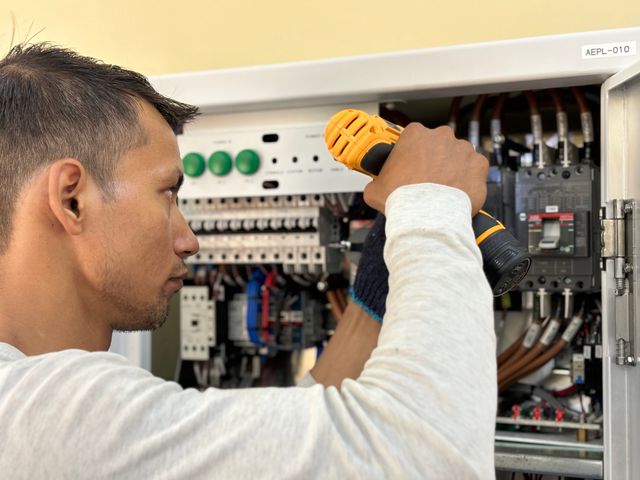
The way people use residential and commercial properties is changing, and electrical systems are evolving alongside these changes. Modern homes rely on connected appliances, automated lighting, entertainment systems, and increasingly sophisticated security equipment. Businesses, meanwhile, depend on advanced communication networks, energy management systems, specialized machinery, and reliable electrical infrastructure to support daily operations. These developments are creating new demands for electrical services and installations, making professional planning and regular system upgrades more important than ever. As technology continues to influence how buildings operate, electrical contractors will play an increasingly important role in helping property owners maintain safe, efficient, and adaptable spaces.
How Changing Property Needs Are Reshaping Electrical Services
Residential and commercial properties no longer depend on electricity for basic lighting and a limited number of appliances. Modern buildings often contain several interconnected systems that require reliable power distribution and careful installation. Homeowners may need dedicated circuits for larger appliances, additional outlets for home offices, and electrical connections for smart devices. Commercial property owners may require more extensive upgrades to support computers, machinery, communication equipment, and specialized business operations.
These changing requirements mean electrical services must address more than immediate repair needs. Property owners increasingly need installations that can accommodate future equipment, changing occupancy patterns, and higher electricity demands. An electrical system that was suitable when a building was constructed may no longer meet its current requirements.
Professional electrical assessments can help identify outdated components, overloaded circuits, insufficient outlets, and other potential concerns. Addressing these issues through appropriate upgrades helps properties remain functional while reducing the likelihood of unexpected electrical problems. Planning ahead also makes future improvements easier to accommodate.
The Growing Role of Smart Technology in Modern Electrical Installations
Smart technology is becoming a familiar feature in both residential and commercial environments. Connected lighting, automated temperature controls, smart security systems, and remotely managed appliances allow users to interact with their properties in new ways. These technologies depend on electrical installations that can support connected devices while maintaining reliable operation.
In residential settings, homeowners may want to control lighting, heating, cooling, and selected appliances through mobile applications or automated schedules. Commercial properties can use similar technology to manage lighting across different departments, monitor building systems, and control selected equipment according to operating hours. These arrangements can improve convenience and help property managers coordinate building operations more effectively.
However, smart installations require careful planning. Electrical contractors must consider device compatibility, wiring requirements, network connections, and the existing electrical capacity of the property. Installing individual smart devices without considering the wider system can create unnecessary complications. A coordinated installation approach helps ensure that connected equipment works reliably and can accommodate future additions.
Preparing Electrical Systems for Electric Vehicles
The growing adoption of electric vehicles is creating new requirements for residential and commercial electrical infrastructure. Unlike conventional vehicles, electric vehicles depend on charging equipment that draws power from a building’s electrical supply. Homeowners considering an electric vehicle may need a dedicated charging point, while businesses may require several charging stations for employees, customers, or company vehicles.
Installing an electric vehicle charger involves more than choosing a convenient location. Contractors need to assess the property’s electrical capacity, distribution board, circuit protection, and available power supply. Some installations may require upgrades before charging equipment can be connected safely. These considerations are especially important in older buildings that were not originally designed to support additional high-demand electrical equipment.
Commercial properties face further planning requirements when installing multiple charging points. Businesses may need to consider simultaneous charging demand, parking arrangements, load management, and future expansion. Well-planned electrical installations can help properties accommodate changing transportation needs without placing unnecessary pressure on existing infrastructure.
Energy Efficiency and the Shift Toward Smarter Power Management
Electricity costs and energy consumption are important concerns for both households and businesses. As buildings incorporate more appliances, equipment, and connected systems, managing electricity use becomes increasingly relevant. Modern electrical services can help property owners identify opportunities to improve efficiency through better lighting arrangements, updated equipment connections, and more effective power management.
LED lighting installations are one example of a practical improvement. Compared with many traditional lighting technologies, LED systems generally consume less electricity and have longer operating lifespans. Businesses can also introduce occupancy sensors and automated controls to prevent lights from operating unnecessarily in unused areas. Residential properties may benefit from similar arrangements in corridors, outdoor spaces, and frequently used rooms.
Energy monitoring technology offers another opportunity. Smart meters and connected monitoring systems can help property owners understand when and where electricity is being consumed. This information may reveal patterns that encourage better usage decisions. Electrical contractors can help determine whether the existing installation can support these technologies and recommend suitable improvements based on the property’s requirements.
Why Electrical Safety Will Remain a Major Priority
As buildings become more technologically advanced, electrical safety becomes even more important. Additional appliances, connected devices, charging equipment, and automated systems can increase the complexity of electrical installations. If wiring, circuits, and protective devices are not suitable for the equipment being used, the risk of overheating, electrical faults, and other hazards may increase.
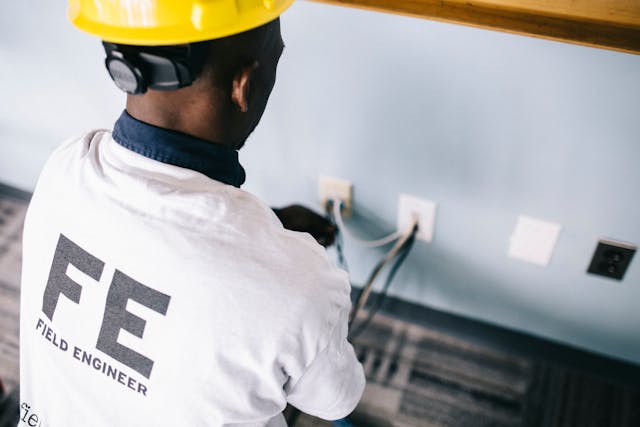
Regular electrical inspections can help identify problems before they become more serious. Common concerns include damaged wiring, loose connections, overloaded circuits, outdated distribution boards, and improperly installed outlets. Older properties may require particular attention because their electrical infrastructure may not have been designed for modern consumption patterns.
Professional installation and appropriate protective equipment are essential for maintaining safe electrical systems. Circuit breakers, residual current protection, proper grounding, and suitable wiring all contribute to electrical safety when correctly selected and installed. Property owners should avoid treating frequent tripping, flickering lights, or unusual electrical odors as minor inconveniences. These warning signs should be assessed by qualified electricians rather than addressed through temporary fixes.
The Importance of Reliable Electrical Installations in Commercial Buildings
Commercial properties often have more demanding electrical requirements than residential buildings. Offices, retail stores, warehouses, restaurants, and industrial facilities rely on electricity to support lighting, computers, security equipment, machinery, and other essential operations. An unexpected electrical fault can interrupt business activities, affect customer experiences, and create additional repair expenses.
As businesses expand or introduce new equipment, their electrical systems may need to be upgraded. Additional workstations, machinery, communication equipment, and specialized installations can increase the demand placed on existing circuits. Electrical contractors can assess these requirements and determine whether additional circuits, distribution upgrades, or changes to the existing installation are necessary.
Commercial electrical planning should also consider future operational changes. A business may expand its premises, introduce new equipment, or modify its working arrangements over time. Designing installations with suitable capacity and accessible maintenance points can make future changes easier. This approach helps businesses avoid repeated modifications and maintain more dependable electrical infrastructure.
Renewable Energy and the Future of Residential and Commercial Power Systems
Renewable energy is becoming an important consideration for property owners looking to reduce dependence on conventional electricity sources. Solar power, in particular, offers opportunities for residential and commercial buildings with suitable roof space and access to adequate sunlight. However, integrating renewable energy requires electrical systems that can safely manage power generation, distribution, and storage.
Solar installations involve several electrical components, including panels, inverters, protective equipment, and connections to the building’s electrical system. Some properties may also incorporate battery storage to retain excess electricity for later use. These arrangements require professional assessment to ensure that the equipment is compatible with the building and installed according to applicable electrical standards.
Businesses may have additional reasons to consider renewable energy because commercial operations can involve substantial daytime electricity consumption. Solar installations may help offset some of this demand, depending on system capacity, usage patterns, and local electricity arrangements. As energy technology develops, electrical contractors will increasingly need to understand how conventional installations can work alongside renewable power systems.
How Preventive Maintenance Can Reduce Electrical Disruptions
Electrical systems require regular attention to remain dependable as buildings age and equipment changes. Waiting until a fault occurs can lead to unexpected downtime, emergency repairs, and disruption to household or business activities. Preventive maintenance provides a more organized way to identify potential concerns and address them before they cause significant problems.
For residential properties, maintenance may involve inspecting distribution boards, checking outlets, reviewing visible wiring conditions, and assessing whether existing circuits remain suitable for current appliance usage. Commercial buildings may require more structured inspection schedules because they often contain larger electrical installations and equipment that operates for extended periods.
Maintenance requirements should reflect the age, condition, and complexity of the installation. Qualified electricians can recommend appropriate inspection intervals and identify components that may require replacement or upgrading. Keeping records of completed inspections and repairs also helps property owners understand the condition of their electrical infrastructure and plan future maintenance expenses.
The Growing Importance of Skilled Electricians and Professional Planning
The development of modern electrical technology is changing the skills required within the electrical services industry. Electricians increasingly need to understand smart building controls, renewable energy installations, electric vehicle charging, and advanced electrical protection systems. Traditional wiring knowledge remains essential, but familiarity with newer technologies is becoming increasingly valuable.
Property owners also benefit from involving qualified professionals early in renovation and construction projects. Electrical planning should take place alongside decisions about building layouts, equipment placement, lighting requirements, and future expansion. This helps prevent situations where completed spaces require unnecessary rewiring or additional electrical work because important requirements were overlooked.
Clear communication between electricians, property owners, architects, and other contractors can improve project coordination. Discussing present and future electrical needs before installation begins allows the team to develop more practical solutions. Professional expertise is particularly important when working with high-demand equipment, complex installations, or systems connected to renewable energy sources.
What the Future Holds for Electrical Services and Installations
The future of electrical services will be shaped by changing building requirements, technological developments, and greater attention to energy management. Homes will continue incorporating connected appliances and automated systems, while businesses will depend on increasingly sophisticated electrical infrastructure. Electric vehicle charging, renewable energy, battery storage, and intelligent building controls are also likely to influence future installation requirements.
These changes will create opportunities for electrical service providers to offer more specialized installation, inspection, and maintenance solutions. Rather than focusing only on repairs, contractors will increasingly help property owners plan upgrades, assess electrical capacity, and prepare buildings for new technologies. Preventive maintenance and professional system assessments will remain important parts of this work.
Ultimately, modern electrical services and installations must balance safety, reliability, convenience, and adaptability. Property owners who consider future requirements alongside their immediate needs can make better decisions about electrical upgrades and building improvements. As residential and commercial environments continue to evolve, well-designed electrical systems will remain essential to keeping homes comfortable and businesses operating efficiently.