
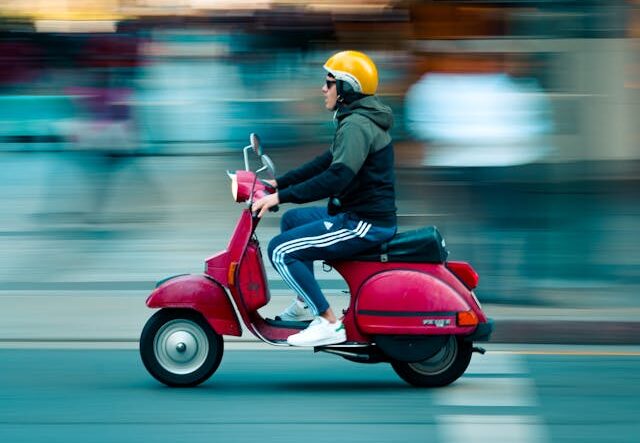
Electric scooters have grown from a niche convenience to a defining symbol of modern mobility. Their compact size, low operating cost, and effortless maneuverability make them ideal for the fast-paced rhythm of today’s cities. But their true significance lies in what they represent—a shift away from heavy, congested, fossil-fueled travel toward a cleaner, smarter, and more flexible urban lifestyle. As technology, infrastructure, and policy continue to evolve, electric scooters are positioned to reshape how people work, how cities function, and how communities move through their environments.
The rise of electric scooters is not simply a reaction to traffic or rising fuel prices. It is part of a much larger movement toward micro-mobility, sustainability, and the redesign of public spaces. These vehicles are influencing planning decisions, inspiring new commuting habits, and becoming an integral part of how people connect with their workplaces, neighborhoods, and daily activities. Understanding their impact allows us to better anticipate the next chapter of mobility and the future of urban living.
A New Era of Commuting for Workers
As traditional commuting patterns change, electric scooters are becoming essential tools for modern workers. More people now favor solutions that save time, reduce stress, and offer freedom from unpredictable public transport delays. Electric scooters address these needs by giving workers a quicker, more reliable way to travel short to medium distances, especially in dense urban environments.
For many professionals, the first and last mile of commuting—getting from home to a transit hub or from a station to the office—has always been the most inconvenient part of daily travel. Scooters seamlessly fill this gap, creating a smooth, uninterrupted journey. This increases the appeal of public transport and reduces dependence on private cars.
In addition, remote and hybrid work arrangements have changed how often and when people travel. Instead of traditional rush-hour traffic patterns, mobility is now more spread throughout the day. Electric scooters support this flexibility by allowing workers to travel on their own schedule without waiting for buses or trains. This shift helps reduce peak congestion while enabling individuals to maintain a healthy balance between productivity and mobility.
Shaping the Future of Urban Transportation Networks
Cities worldwide are rethinking their transportation systems to accommodate growing populations and the need for sustainability. Electric scooters are becoming key components of this transformation because they offer efficient solutions to everyday challenges.
Urban planners are recognizing that scooters reduce road congestion, require minimal space, and produce zero emissions at the point of use. As a result, many cities are integrating dedicated lanes, shared mobility hubs, and expanded parking zones to support scooter users. This infrastructure redesign not only encourages micro-mobility adoption but also enhances safety and creates more organized traffic flows.
In the long term, cities are expected to incorporate electric scooters into smart mobility ecosystems. These ecosystems rely on interconnected data platforms that optimize routes, manage traffic, and balance demand across different transport modes. Scooters will play a central role because they can quickly navigate narrow streets, adapt to varying travel patterns, and collect valuable mobility data that informs future planning decisions.
Reducing Environmental Impact and Supporting Sustainability
Electric scooters are often promoted as environmentally friendly alternatives to cars, and their overall impact on sustainability is becoming more pronounced as adoption increases. They help reduce air pollution, noise levels, and carbon emissions by offering a cleaner option for daily travel.
Because scooters are ideal for short trips, they discourage unnecessary car usage. Over time, this can decrease traffic density and reduce the carbon footprint of entire communities. When combined with renewable energy sources for charging, their environmental benefits become even stronger.
Scooters also support the growing trend of compact urban living. As more people choose smaller apartments and walkable neighborhoods, they require mobility solutions that fit into limited spaces. Electric scooters complement these lifestyles by offering portability, quick charging, and easy storage. Their presence aligns with the broader shift toward eco-friendly choices, minimalism, and reduced reliance on resource-intensive vehicles.
Transforming Travel Habits for Residents and Visitors
The convenience of electric scooters is reshaping how residents and visitors explore cities. Instead of relying solely on taxis, buses, or rideshare services, people are opting for quick scooter rides to reach markets, parks, offices, and entertainment venues. This creates an increasingly mobile population that values freedom, spontaneity, and cost efficiency.

Tourists especially benefit from electric scooters because they allow for smooth exploration without needing to learn complicated transit systems or navigate congested roads. Scooters enable visitors to discover hidden attractions, move at their own pace, and experience cities more intimately. As more urban areas develop scooter-friendly routes and scenic paths, tourism experiences are expected to evolve further.
Moreover, everyday errands become easier for residents. Short trips that once required a car or motorcycle are now completed quickly with a scooter. This not only saves time but also promotes healthier outdoor lifestyles. Over time, these small but consistent changes influence overall travel behavior, making cities more active, interconnected, and community-oriented.
Driving Innovation in Infrastructure and Smart Cities
Electric scooters are pushing cities to adopt smarter infrastructure solutions. As demand grows, so does the need for improved pathways, lighting, parking zones, and charging networks. These enhancements benefit not just scooter riders but pedestrians, cyclists, and local businesses.
Scooter-friendly infrastructure encourages multi-modal travel, where different transport options blend seamlessly. Enhanced pathways lead to safer streets, reduced accidents, and better traffic management. In many cities, micromobility hubs—centralized zones where scooters, bikes, and small electric vehicles are stored or charged—are becoming common. These hubs support efficient urban transport planning and convenience for residents.
In the future, smart cities are expected to integrate sensors, AI tools, and connected networks to support electric scooter operations. These systems will monitor traffic density, adjust signal timings, and suggest safer or faster routes to riders. Such technological advancements will align electric scooters with broader urban innovation goals, making cities more efficient and responsive.
Impact on Delivery and Gig Economy Workflows
Electric scooters are becoming valuable tools for delivery services, especially in areas where larger vehicles struggle to navigate efficiently. Their compactness, low energy cost, and ability to move through congested neighborhoods make them ideal for delivering food, packages, documents, and groceries.
Gig workers often benefit from scooters because they provide a reliable and cost-effective transportation method. With fewer fuel expenses and easier parking, workers can complete more deliveries in less time. This contributes to increased earnings and greater flexibility in managing their schedules.
In addition, companies that rely on last-mile delivery are beginning to recognize the strategic advantage of micro-mobility. As cities implement restrictions on heavy vehicles in dense zones, scooters become essential for completing the final leg of urban logistics. This shift improves delivery speed while reducing environmental impact.
The Social and Cultural Influence of Electric Scooters
Beyond transportation, electric scooters are shaping urban culture and how communities interact with their surroundings. They encourage outdoor activity, promote casual social encounters, and create a sense of shared ownership of public space. Scooters make cities feel more accessible, especially for younger populations who prefer mobility solutions that match their digital lifestyles.
Electric scooters also contribute to urban vibrancy. Streets that once felt dominated by cars now see more scooters gliding by, adding energy and movement to public areas. This transformation supports local businesses, as people are more likely to stop at cafés, retail shops, and community events when mobility is easy.
Over time, these cultural shifts influence how cities design public spaces. Wider walkways, green corridors, and open plazas become more prominent as the need for community-friendly mobility increases.
Preparing for the Future of Urban Living
As cities grow smarter, greener, and more connected, electric scooters will continue to play an important role in shaping urban living. Their influence extends beyond commuting—they are redefining public spaces, supporting environmental goals, and offering affordable mobility for all.
The future is likely to bring further integration of electric scooters with digital apps, autonomous systems, and data-driven planning. As technology advances, scooters may become even safer and more efficient, offering personalized navigation, predictive maintenance alerts, and improved battery performance. When combined with smart infrastructure, they will help cities operate more smoothly and sustainably.
Electric scooters are not just short-term mobility trends. They represent a fundamental shift in how people live, work, explore, and experience urban life. As this shift accelerates, the future of cities will become more flexible, more connected, and more people-centered—one ride at a time.