
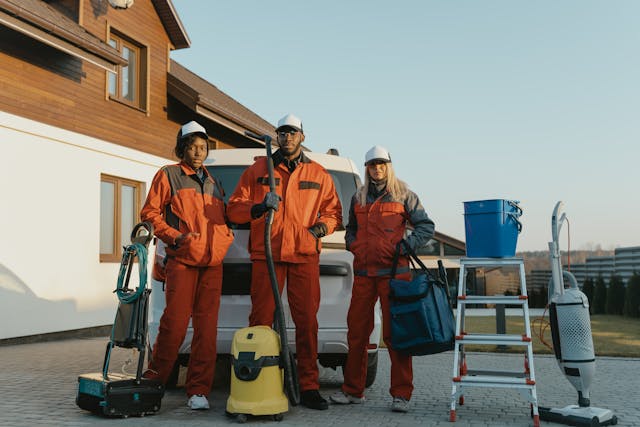
Residential and commercial cleaning has always been shaped by changing expectations. What once focused purely on visible cleanliness has evolved into a broader demand for consistency, health, efficiency, and accountability. Today, clients expect clean spaces to be maintained reliably, with minimal disruption and clear standards. At the same time, cleaning businesses face increasing pressure to manage larger workloads, tighter schedules, and higher quality benchmarks. These forces are driving a transformation in how cleaning is planned, delivered, and monitored.
The future of cleaning is not just about better tools, but about smarter systems. As technology advances, cleaning is moving toward environments that actively support maintenance rather than relying entirely on reactive labor. From intelligent planning tools to spaces that help manage their own upkeep, the industry is entering a phase where efficiency and adaptability define success.
How Cleaning Is Shifting From Manual Effort to Intelligent Systems
For decades, cleaning relied heavily on manual oversight. Schedules were created by hand, quality was checked through visual inspections, and adjustments were made only after problems surfaced. While this approach worked at smaller scales, it becomes inefficient as operations grow and expectations rise.
The shift toward intelligent systems changes this dynamic. Instead of responding after issues occur, modern cleaning operations increasingly rely on data, patterns, and predictive insights. Smart systems help determine when cleaning is needed, where attention should be focused, and how resources can be allocated more effectively. This evolution reduces wasted effort and improves consistency across both residential and commercial environments.
The Rise of Smart Tools in Cleaning Operations
Smart tools are already influencing daily cleaning workflows. These tools help track tasks, monitor performance, and coordinate teams more efficiently. Rather than replacing human labor, they support it by removing guesswork and manual tracking.
In residential cleaning, smart tools help manage client preferences, schedules, and recurring tasks with greater accuracy. In commercial settings, they assist with managing large facilities, multiple zones, and varied cleaning requirements. By organizing information in one place, smart tools allow cleaning teams to work with clarity and confidence rather than relying on memory or fragmented instructions.
Data-Driven Decision Making in Cleaning Management
One of the most significant changes in the future of cleaning is the use of data to guide decisions. Cleaning frequency, staffing levels, and task prioritization no longer need to be based solely on habit or assumption. Data allows businesses to see patterns over time.
For example, certain areas may require more frequent attention due to usage patterns, while others may need less. By understanding these trends, cleaning operations become more efficient without sacrificing quality. Data-driven decision making also helps businesses justify changes to clients, creating transparency and trust around service adjustments.
Moving Toward Predictive Rather Than Reactive Cleaning
Traditional cleaning models are reactive. A spill happens, a complaint is made, or a space looks dirty, and then action is taken. The future moves toward predictive cleaning, where systems anticipate needs before issues become visible.
In commercial environments, usage patterns can indicate when certain areas are likely to require attention. In residential settings, historical data helps anticipate seasonal or lifestyle-related changes. Predictive approaches reduce emergencies and last-minute disruptions, creating smoother operations and more reliable outcomes.
This shift improves efficiency while also enhancing the client experience, as spaces feel consistently maintained rather than periodically corrected.
Self-Managing Spaces and the Built Environment
The idea of self-managing spaces represents a major leap forward. Rather than relying entirely on external schedules, spaces themselves increasingly provide signals about their condition and needs. This does not mean spaces clean themselves entirely, but that they support smarter maintenance decisions.
In commercial buildings, systems that track occupancy, airflow, or usage patterns help inform cleaning priorities. High-traffic areas can be addressed more frequently, while low-use spaces receive attention as needed. Residential environments also benefit as homes become more responsive to daily routines and seasonal changes.
Self-managing spaces reduce unnecessary labor while ensuring critical areas are never overlooked.
Quality Control in a Smarter Cleaning Future
Quality control has traditionally depended on manual inspections and subjective judgment. While human oversight remains important, the future introduces more structured and consistent quality assurance methods.
Smart systems help track whether tasks were completed as planned and highlight recurring issues. Over time, this creates a clearer picture of performance across teams and locations. Instead of relying on occasional spot checks, quality control becomes continuous and data-informed.
This approach allows managers to focus on improvement rather than correction. Training can be targeted, and standards can be maintained more consistently as operations scale.
The Impact on Residential Cleaning Experiences
For residential clients, the future of cleaning feels more personalized and reliable. Smart systems remember preferences, routines, and special considerations without relying on individual cleaners to recall every detail. This creates continuity even when staff changes.
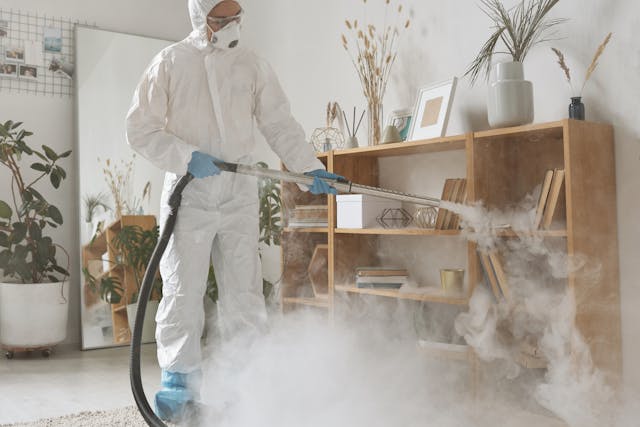
Homes benefit from cleaning that adapts to lifestyle changes rather than following rigid schedules. For example, households with varying routines or seasonal needs experience service that feels responsive rather than generic. This adaptability strengthens trust and long-term relationships between clients and cleaning providers.
Transforming Commercial Cleaning Through Intelligent Coordination
Commercial cleaning stands to benefit significantly from smarter systems and self-managing spaces. Large facilities are complex, with different zones requiring different levels of attention. Intelligent coordination ensures that cleaning aligns with actual usage rather than static plans.
This improves efficiency while supporting health, safety, and compliance requirements. Documentation becomes easier, reporting is clearer, and accountability is built into the process. Commercial clients gain confidence that cleaning is not only thorough but also thoughtfully managed.
Supporting Sustainability and Resource Efficiency
Efficiency in cleaning is not just about time and labor. It also affects resource use. Smarter systems help reduce unnecessary repetition, overuse of supplies, and energy waste. By focusing effort where it is most needed, cleaning operations become more sustainable.
In both residential and commercial settings, this efficiency supports long-term environmental goals. Clients increasingly value services that balance cleanliness with responsible resource management. Smart cleaning systems help meet these expectations without compromising results.
The Human Role in a Self-Managing Cleaning Ecosystem
Despite technological advances, cleaning remains a human-centered service. Skill, care, and judgment are irreplaceable. The future does not eliminate the need for people; it changes how their time and expertise are used.
As systems handle planning, tracking, and analysis, cleaners and managers can focus on execution, problem-solving, and client relationships. This shift improves job satisfaction and reduces burnout. When people are supported by intelligent systems, they are better positioned to deliver high-quality service consistently.
Training and Skill Development in the Future of Cleaning
As cleaning systems become smarter, training evolves as well. Rather than focusing solely on physical tasks, training increasingly includes understanding workflows, standards, and quality expectations supported by technology.
This creates more professionalized roles within the cleaning industry. Clear processes and measurable outcomes help new team members integrate faster and perform with confidence. Over time, this supports stronger teams and more resilient businesses.
Challenges and Considerations Moving Forward
While the future of cleaning offers many advantages, it also requires thoughtful implementation. Overreliance on technology without proper oversight can create blind spots. Systems must be designed to support real-world conditions, not replace human judgment.
Successful adoption depends on balance. Technology should enhance visibility and efficiency without adding unnecessary complexity. Cleaning businesses that approach innovation thoughtfully will benefit most from these changes.
A New Standard for Residential and Commercial Cleaning
From smart tools to self-managing spaces, the future of residential and commercial cleaning is defined by intelligence, adaptability, and consistency. Cleaning is becoming less reactive and more strategic, supported by systems that anticipate needs and support quality at scale.
This evolution benefits everyone involved. Clients enjoy cleaner, healthier spaces with fewer disruptions. Cleaning teams work more efficiently with clearer expectations. Businesses grow more sustainably with better control over operations.
As expectations continue to rise, the cleaning industry’s future belongs to those who embrace smarter systems while preserving the human care at the heart of the service. Self-managing spaces are not about removing people from the process, but about empowering them to deliver better results in a cleaner, more connected world.