
Protecting a home involves more than repairing visible damage or replacing worn-out materials. Roofing systems, exterior surfaces, gutters, insulation, and drainage all contribute to the property’s ability to withstand changing weather conditions and everyday wear. As construction methods and building materials continue to improve, homeowners have more options for strengthening their properties and reducing long-term maintenance demands. The focus is gradually shifting towards durable materials, energy-efficient upgrades, better water management, and planned maintenance. These developments are changing how homeowners approach property protection and the long-term care of their homes.
Roofing Materials Are Becoming More Durable and Adaptable
Roofing materials have a direct influence on how well a home withstands sunlight, rainfall, wind, and temperature changes. Traditional options remain widely used, but newer products are being developed to offer improved resistance to weather exposure and longer service lives. Homeowners can now consider different materials based on their property’s design, local climate, maintenance requirements, and budget.
Metal roofing, architectural shingles, synthetic roofing products, and improved tile systems each offer different benefits. Some materials provide better resistance to strong winds, while others are designed to reduce heat absorption or withstand repeated exposure to moisture. The choice should depend on practical requirements rather than appearance alone.
Future roofing projects will likely involve more detailed comparisons of material performance and installation requirements. Homeowners should consider the expected lifespan, repair costs, insulation compatibility, and availability of replacement materials before making a decision. Selecting a suitable roofing system from the beginning can help reduce the need for frequent repairs and improve long-term property protection.
Energy-Efficient Exterior Upgrades Are Gaining Attention
Exterior upgrades can influence indoor temperatures and household energy consumption. Roof surfaces, exterior walls, windows, and insulation all affect how heat moves through a building. When these components work together effectively, they can help maintain comfortable indoor conditions and reduce the demand placed on cooling and heating systems.
Reflective roofing materials and suitable coatings can help limit heat absorption during warmer months. Exterior insulation improvements may also reduce unwanted heat transfer, while well-sealed windows and doors can help prevent air leakage. These measures are particularly useful in properties where indoor temperatures fluctuate significantly throughout the day.
Homeowners are increasingly considering energy performance when planning exterior improvements. Rather than treating roofing, insulation, and wall upgrades as separate projects, it can be useful to assess how they work together. A coordinated approach helps identify improvements that offer practical benefits without unnecessary construction expenses.
Smarter Gutter Systems Improve Rainwater Management
Gutters play an important role in protecting roofs, walls, foundations, and surrounding outdoor areas. Their main purpose is to collect rainwater and direct it away from the building. When gutters are damaged, incorrectly installed, or blocked by debris, water can overflow and cause problems in several parts of the property.
Modern gutter systems offer different designs and material choices to suit residential requirements. Seamless gutters reduce the number of joints along certain sections, while properly sized downspouts help manage water flow. Gutter guards may also reduce the amount of leaves and larger debris entering the system, although regular checks are still necessary.
Future exterior maintenance will place greater emphasis on complete drainage performance rather than gutter cleaning alone. Contractors may assess roof runoff, gutter capacity, downspout placement, and the direction of water after it leaves the building. These details help prevent repeated overflow and reduce the risk of water collecting near foundations or exterior walls.
Weather-Resistant Exterior Materials Support Lasting Protection
The exterior of a home is constantly exposed to environmental conditions. Rain, sunlight, wind, dust, and temperature changes can gradually affect paint, siding, masonry, sealants, and other surfaces. When protective finishes deteriorate, moisture may enter vulnerable areas and contribute to further damage.
Improved exterior coatings, weather-resistant cladding, and better sealing materials can help reduce these risks. Their effectiveness depends on the condition of the underlying surface, correct preparation, and proper application. Even high-quality products may fail prematurely if they are installed over damaged or unsuitable materials.
Homeowners should consider the condition of exterior surfaces when planning property upgrades. Cracked paint, loose cladding, deteriorating sealants, and gaps around openings may indicate that maintenance is needed. Addressing these issues early can help preserve the building’s appearance while protecting the materials beneath the surface.
Technology Is Changing Roof Inspections and Maintenance Planning
Roof inspections traditionally require contractors to access the roof and examine its condition directly. Although physical inspections remain important, digital tools are providing additional ways to assess difficult or potentially hazardous areas. Drone photography, digital measurement systems, and thermal imaging can help contractors gather useful information during the inspection process.
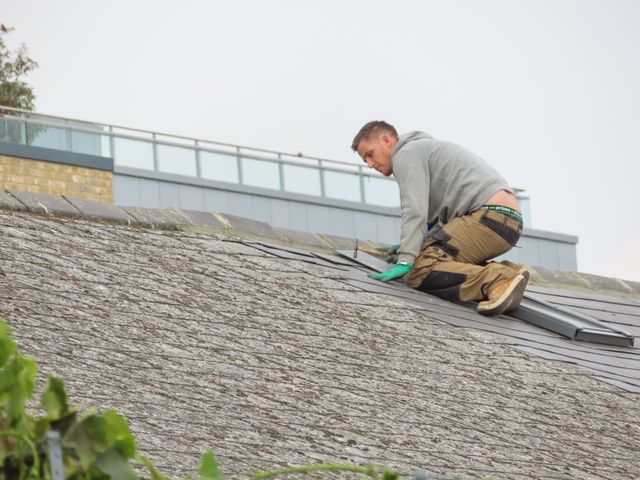
High-resolution images can reveal visible damage, missing roofing materials, blocked drainage points, and deteriorating roof edges. Thermal imaging may help identify temperature differences that require further investigation, particularly when insulation or moisture problems are suspected. Digital measurement tools can also support more accurate project estimates and material planning.
These technologies are expected to become more common as roofing services adopt efficient inspection methods. However, digital assessments should support rather than replace professional evaluation. Contractors still need to investigate hidden defects, assess structural conditions, and determine which repairs are necessary. Combining technology with practical experience can lead to better maintenance decisions.
Sustainable Materials Are Influencing Exterior Renovation Choices
Environmental concerns are becoming an important part of residential improvement projects. Homeowners may increasingly look for materials that last longer, require fewer replacements, and create less construction waste. This shift is encouraging greater attention to recycled materials, responsible manufacturing, and products that can be reused or recycled after their service life.
Metal roofing is one example of a material that may contain recycled content and can often be recycled at the end of its useful life. Other roofing and exterior products may also offer environmental advantages depending on their manufacturing processes, transportation requirements, and durability. Material selection should still account for local weather conditions and the property’s structural requirements.
Sustainable home protection also involves maintaining existing materials rather than replacing them unnecessarily. Regular cleaning, timely repairs, and suitable protective treatments can extend the useful life of many exterior components. Homeowners who consider durability and maintenance alongside environmental impact can make more practical renovation decisions.
Preventive Maintenance Reduces Unexpected Repair Costs
Waiting for a visible leak or major exterior defect can make home repairs more expensive. Small problems such as cracked sealants, loose shingles, blocked gutters, and damaged flashing may allow water to enter gradually. By the time the damage becomes obvious indoors, insulation, ceilings, or wall materials may already be affected.
Preventive maintenance focuses on identifying these problems before they spread. Regular inspections help assess roofing materials, gutter connections, exterior finishes, drainage points, and other areas exposed to weather. Cleaning debris and correcting minor defects can also help maintain the performance of the entire exterior system.
A maintenance schedule should reflect the age and condition of the property. Homes surrounded by trees may need more frequent gutter cleaning, while older roofing systems may require closer inspection of joints and exposed materials. Keeping records of repairs and inspections can help homeowners monitor recurring problems and plan future work more effectively.
Professional Contractors Play an Important Role in Home Protection
Exterior improvements often involve several connected systems, which makes professional assessment valuable. A roofing issue may be linked to damaged flashing, poor ventilation, or incorrect drainage. Similarly, recurring gutter overflow may result from unsuitable sizing or installation rather than debris alone.
Experienced contractors can examine these connections and recommend repairs based on the property’s actual condition. They can also explain whether a repair is sufficient or whether a larger upgrade would provide better long-term value. This helps homeowners avoid spending money on temporary fixes that do not address the original problem.
Before starting a project, homeowners should request a clear estimate covering materials, labour, expected completion time, and relevant warranties. It is also important to understand the contractor’s safety practices and the scope of the proposed work. Clear communication helps ensure that exterior improvements meet practical needs and are completed to an appropriate standard.
Preparing Homes for the Next Stage of Exterior Upgrades
The future of home protection will involve a more connected approach to roofing materials, exterior upgrades, and regular maintenance. Stronger materials, improved drainage systems, energy-efficient surfaces, and modern inspection tools are creating new opportunities to protect residential properties. These developments can help homeowners make better decisions about repairs and improvements while reducing avoidable maintenance problems.
However, even the most advanced materials require correct installation and ongoing care. A durable roof cannot perform properly if gutters remain blocked, exterior joints are damaged, or water is allowed to collect around the building. Every part of the exterior contributes to the property’s overall protection.
Homeowners who plan upgrades carefully and arrange regular inspections can improve their property’s ability to withstand everyday environmental demands. Investing in suitable materials, professional workmanship, and preventive maintenance helps preserve both the structure and comfort of a home. Long-term protection comes from treating the exterior as a complete system rather than focusing on individual repairs.