
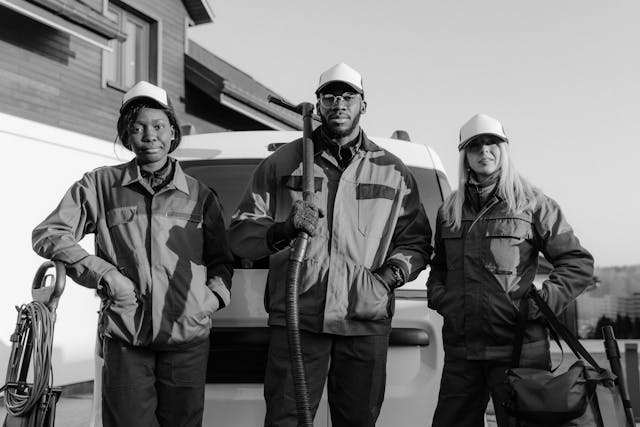
The cleaning industry is evolving faster than ever. What was once a field defined by manpower, manual tools, and regional operations is now at the forefront of technological and environmental innovation. Today’s cleaning service franchises are no longer just about spotless spaces—they’re about smart systems, sustainable practices, and scalable models that align with the needs of a rapidly changing world.
Automation, sustainability, and data-driven growth are redefining how cleaning brands operate and expand. This next era of cleaning service franchising is marked by efficiency, transparency, and purpose—offering both economic opportunity and environmental responsibility. The franchises that embrace these forces aren’t just adapting to the future; they’re shaping it.
The Shift Toward Intelligent Automation
The most significant transformation sweeping through the cleaning industry is automation. As technology becomes more accessible and affordable, cleaning franchises are integrating automated tools and systems into nearly every aspect of their operations.
Robotic cleaning machines, for example, are now performing repetitive floor-cleaning tasks with precision and consistency that surpass human capability. These machines work efficiently in large spaces like offices, airports, and retail stores—reducing labor fatigue and maintaining consistent quality. When combined with human oversight, they enable hybrid workflows where employees focus on high-detail or customer-facing areas while automation handles the heavy lifting.
Beyond physical automation, AI-driven management software is revolutionizing scheduling, route optimization, and task monitoring. Franchises can now track performance metrics in real time, manage staff deployment remotely, and ensure that quality standards remain uniform across all locations. Predictive maintenance systems alert managers when machines need servicing, minimizing downtime and maximizing productivity.
This level of automation not only increases operational efficiency but also strengthens the franchise’s ability to scale. With fewer manual bottlenecks and more consistent results, expansion becomes easier and more sustainable.
Sustainability: Cleaning with Purpose
Sustainability is no longer just a marketing buzzword—it’s an operational imperative. Clients across residential, commercial, and industrial sectors are demanding environmentally responsible cleaning practices. Franchises that prioritize sustainability are gaining a competitive advantage and attracting eco-conscious customers who see cleanliness and environmental care as inseparable.
Modern cleaning service franchises are embracing sustainable solutions in several key areas:
- Eco-friendly products: Biodegradable and non-toxic cleaning agents are replacing harsh chemicals, protecting both indoor air quality and the planet.
- Water and energy efficiency: Advanced cleaning equipment uses less water and electricity without compromising performance.
- Recycling and waste reduction: Smart inventory systems reduce waste from packaging and disposable materials, while digital workflows eliminate paper-heavy processes.
Some franchises are even tracking their environmental impact through sustainability reporting, showcasing measurable results to clients and investors. As environmental regulations tighten and consumer awareness grows, sustainability will remain a central pillar of the cleaning industry’s long-term viability.
Scaling Smarter: Data, Systems, and Strategy
In the past, scaling a cleaning franchise often meant expanding territory and increasing staff. Today, it’s about expanding intelligently—with data and systems driving every decision.
Digital platforms now allow franchise owners to manage multiple locations through unified dashboards. AI-powered analytics tools provide insights into customer behavior, service demand patterns, and team productivity. These insights help leaders forecast growth, refine pricing strategies, and identify underperforming areas before they become costly issues.
Moreover, cloud-based franchise management systems create consistency across locations. Whether a franchise has five branches or fifty, these systems ensure standardized training, real-time communication, and uniform service delivery. This operational cohesion builds trust with customers who expect the same quality experience everywhere the brand operates.
The next generation of scaling isn’t just about growth in numbers—it’s about replicating excellence efficiently. Franchises that invest in digital infrastructure are creating scalable ecosystems capable of sustaining quality at any size.
Technology-Driven Customer Experience
As automation and data become integral to cleaning operations, they’re also transforming how franchises interact with clients. Customer experience is no longer limited to a handshake and a service checklist—it’s a continuous digital relationship.
Online booking systems, automated confirmations, and personalized follow-up messages are now standard expectations. AI-powered chatbots handle routine inquiries, freeing up customer service teams for more complex issues. Real-time feedback systems allow clients to rate their cleaning experiences instantly, giving franchises the data they need to improve quickly and transparently.
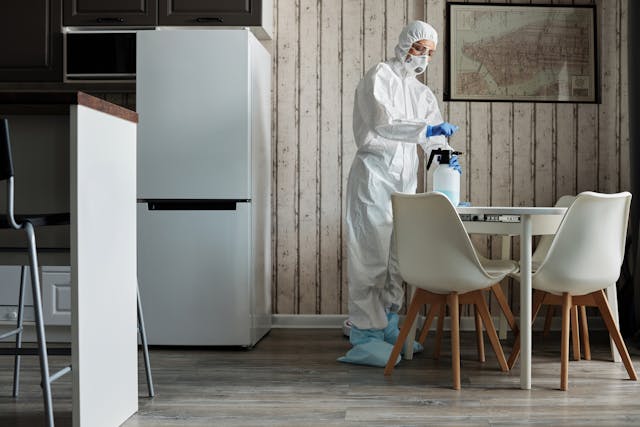
Some cleaning brands are even introducing client dashboards where customers can monitor cleaning schedules, view sustainability metrics, and access invoices seamlessly. These features not only enhance convenience but also reinforce professionalism and trust.
In an era where digital convenience defines customer loyalty, franchises that merge high-quality cleaning with intelligent digital touchpoints will continue to outpace competitors.
Workforce Empowerment Through Technology
Automation doesn’t mean replacing human workers—it means empowering them. The future of cleaning service franchises will rely on tech-enabled workforces that use data, training apps, and remote management tools to perform their jobs more effectively.
Digital training modules ensure that new employees can learn standardized cleaning protocols quickly and consistently. Mobile apps can guide cleaners through daily tasks, track time, and provide instant feedback or quality scores. GPS-enabled tools can also optimize travel routes for off-site teams, reducing fuel use and improving time management.
These innovations lead to greater job satisfaction, reduced turnover, and better performance. Workers spend less time on repetitive chores and more time engaging in meaningful, detail-oriented service. This balance of human skill and machine precision will define the workforce of the next decade.
Sustainable Growth Through Franchising Innovation
Franchising itself is evolving. The model that once relied heavily on manual oversight is becoming increasingly data-driven and automated. Technology now enables central offices to monitor franchise performance, track revenue, and provide real-time support to individual franchisees.
Franchisees benefit from integrated marketing platforms that handle local SEO, digital advertising, and lead generation automatically. These systems help ensure that every branch maintains a consistent online presence, while still adapting to local market conditions. For franchisors, this means faster onboarding, greater visibility into operations, and a more unified brand identity across all territories.
As more entrepreneurs enter the cleaning space, franchising powered by automation and sustainability is lowering barriers to entry—making it easier for new owners to operate efficiently from day one.
The Role of Artificial Intelligence in the Future of Cleaning
AI is the silent force behind many of these transformations. Predictive analytics can forecast client demand and resource allocation. Computer vision technology allows autonomous robots to detect dirt levels and optimize cleaning routes. Natural language processing powers customer chatbots and feedback systems.
As AI evolves, its potential in the cleaning industry will only expand. Future franchises may use AI to create “self-optimizing” cleaning plans that adapt to a building’s layout, occupancy levels, and environmental conditions. Machine learning could analyze historical data to recommend ideal service frequencies, ensuring clients always receive just the right level of care—no more, no less.
In essence, AI is becoming the invisible manager that helps franchises make smarter decisions, achieve sustainability targets, and deliver consistent excellence.
Looking Ahead: A Cleaner, Smarter, and More Sustainable Future
The next era of cleaning service franchises will be defined by three forces—automation, sustainability, and scalability—working in harmony. Together, they promise an industry that’s more efficient, environmentally responsible, and capable of meeting global demand without sacrificing quality.
The cleaning franchises that succeed in this new landscape will be those that embrace technology not as a replacement for people, but as a tool to enhance their value. They’ll treat sustainability not as a marketing angle but as a moral and strategic responsibility. And they’ll scale with intelligence, using data and automation to grow with consistency and purpose.
The future of cleaning is no longer about simply keeping spaces clean—it’s about creating smarter systems, greener operations, and stronger global networks. The mop, the machine, and the metric are now working together—and the result is an industry poised to shine brighter than ever before.