
The future of infrastructure is being built not only with stronger materials but with smarter minds—specifically, artificial intelligence. Across the globe, AI is transforming the asphalt paving and maintenance industry, introducing automation, predictive analytics, and intelligent monitoring that redefine what efficiency and sustainability mean for infrastructure. The combination of innovation and machine learning is paving the way for roads that last longer, cost less to maintain, and are built with data-backed precision. As cities grow and climate conditions evolve, the demand for smarter infrastructure management has never been greater—and AI is meeting that challenge head-on.
The Shift from Traditional Practices to Intelligent Systems
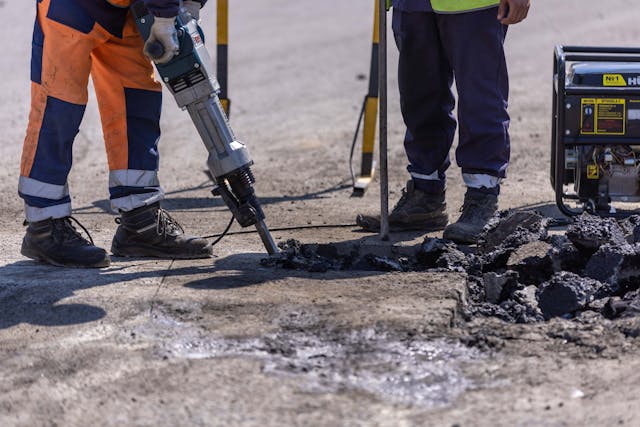
Historically, asphalt paving and maintenance have been manual, labor-intensive processes that depend heavily on human expertise and reactive strategies. Crews inspect surfaces visually, detect issues when they become visible, and repair them after damage occurs. While experience remains essential, these methods often lead to inefficiencies, unplanned downtime, and resource waste.
AI introduces a proactive model that leverages data from drones, sensors, and satellite imaging to monitor infrastructure conditions in real time. Instead of waiting for cracks or potholes to appear, predictive algorithms can identify stress patterns and temperature fluctuations that signal early deterioration. This allows maintenance teams to act before visible damage occurs, reducing repair costs and extending the lifespan of pavements.
This evolution from manual inspection to machine intelligence is not about replacing people but enhancing their capabilities—enabling engineers, contractors, and municipalities to make informed decisions faster and with far greater accuracy.
AI in Asphalt Design: Precision from the Ground Up
Every successful paving project begins long before asphalt meets the surface. The design phase determines how a pavement will perform under real-world conditions, and AI is optimizing that process. By analyzing large datasets that include traffic flow, soil type, weather patterns, and load distribution, AI can simulate how a proposed design will perform over time.
This capability allows engineers to fine-tune pavement structures to handle specific stressors, whether it’s heavy freight routes, fluctuating temperatures, or high rainfall areas. Machine learning can even recommend ideal asphalt mixtures and compaction methods for maximum resilience. The result is infrastructure that’s not just designed to last but intelligently engineered to adapt to its environment.
Intelligent Equipment and Automation in the Field
Automation powered by AI is making job sites more efficient and precise than ever. Modern paving equipment is increasingly equipped with intelligent controls that continuously monitor and adjust performance parameters in real time. For example, compaction rollers with AI sensors can detect variations in material temperature and density, automatically optimizing roller pressure to achieve consistent results.
Drones, paired with AI-driven imaging systems, can map surfaces with centimeter-level accuracy—tracking progress, identifying anomalies, and improving overall project management. This not only saves time but also enhances safety by reducing the need for workers to perform manual inspections in hazardous environments.
Through automation, contractors can complete projects faster while maintaining superior quality. More importantly, the data collected from these machines contributes to ongoing learning—each project informing and improving the next.
Predictive Maintenance: Anticipating Problems Before They Occur
Perhaps the most transformative aspect of AI in asphalt maintenance is its predictive capability. Traditionally, road repairs follow a “fix-it-when-it-breaks” model. AI turns that approach on its head. Using predictive analytics, maintenance teams can forecast which areas are most likely to degrade based on current conditions, historical data, and environmental factors.
Machine vision and infrared sensors can detect micro-cracks, water infiltration, or temperature-induced stress long before they’re visible to the human eye. Algorithms then prioritize these findings, allowing city planners to allocate resources efficiently and schedule maintenance strategically.
Predictive maintenance doesn’t just save money—it prevents disruptions, extends asset life, and improves public safety. In a world where infrastructure is under constant strain, this kind of foresight represents a major leap forward.
Sustainability and Smarter Resource Use
Sustainability is no longer optional—it’s a necessity. The asphalt industry is a major contributor to global emissions, but AI is helping minimize environmental impact. By optimizing material use, reducing waste, and improving fuel efficiency, AI-driven systems contribute to greener construction and maintenance practices.
Machine learning models can determine the exact amount of asphalt mix required for a project, minimizing leftover materials. AI can also recommend eco-friendly alternatives, such as recycled aggregates or bio-based binders, that maintain strength while reducing carbon output. Additionally, smart logistics tools optimize truck routes and production schedules to limit idling and energy waste.
By making resource management data-driven, AI ensures that sustainability becomes an integral part of the paving process—not an afterthought.
Infrastructure Health Monitoring: Roads That Talk Back
AI is turning passive infrastructure into responsive systems capable of communicating their own condition. Embedded sensors within road surfaces can measure temperature, stress, vibration, and moisture. When integrated with AI platforms, this data provides continuous insight into pavement performance.
Imagine a highway that sends alerts when a section begins to weaken or a parking lot that predicts the best time for sealing based on material wear and local weather forecasts. This level of intelligence allows cities and property owners to manage infrastructure dynamically, reducing emergency repairs and optimizing maintenance budgets.
Such self-monitoring systems will become central to the future of smart cities—networks of roads, bridges, and utilities that operate with real-time awareness and interconnected efficiency.
Enhancing Human Expertise Through Machine Learning
Despite its capabilities, AI is not replacing human judgment. Instead, it acts as a powerful ally to engineers, project managers, and maintenance crews. The expertise of experienced professionals remains essential for interpreting data, making ethical decisions, and responding to complex on-site challenges.
AI enhances that expertise by providing a level of insight that humans alone can’t achieve. It highlights patterns, predicts outcomes, and eliminates guesswork—empowering professionals to focus on strategy, safety, and innovation. This synergy between human intelligence and machine precision defines the next phase of infrastructure development.
The Future: Connected Infrastructure and Autonomous Maintenance
As the integration of AI deepens, the paving industry is moving toward a future where roads themselves become active participants in their upkeep. Connected infrastructure—powered by IoT (Internet of Things) sensors and AI—will allow entire transportation networks to communicate in real time.
Autonomous maintenance vehicles may soon patrol roads, identifying and repairing minor surface damage automatically. Predictive systems will coordinate repair schedules across cities, optimizing resources and minimizing disruption. Data collected from millions of connected sensors will guide policy decisions, funding priorities, and material innovation.
In this vision of the future, AI not only maintains roads—it helps build smarter, safer, and more resilient communities.
Conclusion: Building Smarter, Driving Further
AI is redefining the way we design, build, and maintain the world’s infrastructure. Through intelligent design, automation, predictive maintenance, and real-time monitoring, the paving industry is evolving from reactive to proactive, from manual to intelligent, and from short-term fixes to long-term sustainability.
The future of asphalt maintenance is not just about machines and algorithms—it’s about harnessing data and innovation to create infrastructure that works better for everyone. As technology continues to advance, our roads will no longer just connect places; they’ll connect intelligence, insight, and progress—paving the way for a smarter tomorrow.