
Plumbing is one of the oldest and most essential building systems in the world, yet the way we manage water in homes, offices, and commercial buildings is changing faster than ever. The demands of modern living, sustainability goals, expanding urban development, and rising expectations for convenience have pushed the plumbing industry into a new age—one defined by smarter technologies, improved efficiency, predictive maintenance, and innovative system design. Traditional plumbing focused on functionality alone, but the future of plumbing emphasizes intelligence, safety, environmental responsibility, and long-term performance.
Residential and commercial property owners want reliability, water conservation, and immediate awareness of potential issues. Businesses expect systems that integrate seamlessly into facility management processes. Homeowners look for solutions that simplify daily routines and protect their investments. For plumbers, engineers, and property managers, the challenge is meeting these evolving expectations with smarter tools, smarter systems, and smarter strategies.
As digital capabilities merge with conventional plumbing infrastructure, the industry is transforming into something far more dynamic. The future of plumbing is not just about pipes—it is about intelligent systems that improve comfort, safety, and sustainability across every type of building.
Smart Plumbing Systems Designed for Efficiency
Efficiency sits at the core of next-generation plumbing. From reducing water waste to preventing costly leaks, smart plumbing solutions are redefining how buildings manage water. Sensors and automated systems provide real-time data on flow rates, pressure levels, temperature patterns, and consumption behavior. These insights help prevent waste and optimize performance—something especially important in commercial environments where water usage is significant and interruptions can be costly.
Smart systems automatically adjust water flow based on demand, regulate temperature for safety, and shut down water lines during emergencies. In residential buildings, homeowners benefit from systems that detect irregular usage, alert them to hidden leaks, and provide insights into overall consumption. In commercial settings, facility managers can oversee entire water networks remotely, ensuring efficiency and identifying abnormalities before they evolve into serious problems.
These improvements translate into lower operational costs, reduced utility expenses, and enhanced sustainability. Smart plumbing is not a luxury—it is quickly becoming a practical solution for long-term building performance.
Predictive Maintenance: Preventing Problems Before They Occur
One of the most transformative advancements in modern plumbing is predictive maintenance. Traditional plumbing relies on reactive repairs—homeowners or businesses notice a problem, call a plumber, and deal with the consequences of damage. Predictive systems turn that model upside down by identifying problems early and preventing failures.
Sensors integrated into plumbing fixtures and pipelines monitor performance and detect subtle changes in pressure, temperature, or flow. Machine learning tools analyze these patterns and predict when certain components may fail or require servicing. For example, predictive systems can identify abnormal pressure fluctuations that indicate a developing blockage or detect minor leaks long before they become major emergencies.
This proactive approach has enormous benefits. For homeowners, it avoids unforeseen expenses and prevents damage to floors, walls, and personal belongings. For commercial buildings, predictive maintenance ensures business continuity, reduces operational disruptions, and helps facility teams plan repairs strategically instead of responding to crises.
The future of plumbing is built on foresight—not reaction.
Sustainable Plumbing Solutions for a Water-Conscious World
As the world becomes more environmentally aware, plumbing systems must support sustainable living. Water conservation is no longer an option; it is a necessity. Modern buildings aim to limit waste, lower consumption, and reuse resources responsibly, and these goals shape the future of plumbing design.
Residential systems are shifting toward low-flow fixtures, greywater recycling units, and smart irrigation controls. Commercial properties are adopting water reclamation systems, rainwater harvesting infrastructure, and advanced filtration technologies. Designers, architects, and plumbers are working collaboratively to integrate sustainability into the very blueprint of new buildings.
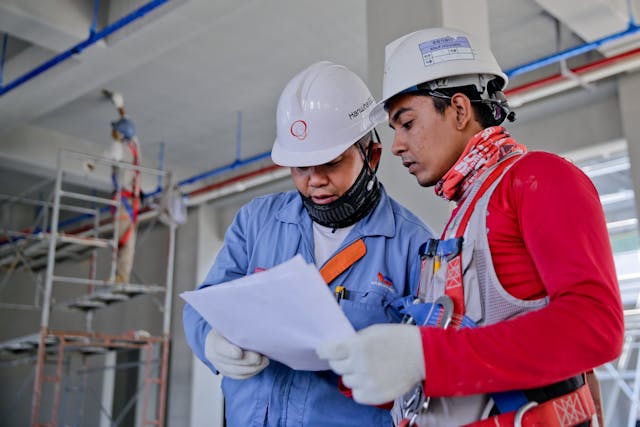
Sustainable plumbing also extends to material choices. Modern piping materials are more durable, corrosion-resistant, and environmentally friendly, offering longer life cycles and easier installation. Combined with intelligent monitoring, these systems create a more resilient water network that supports both ecological responsibility and long-term cost savings.
The next generation of plumbing prioritizes environmental stewardship without compromising performance or convenience.
Advanced Filtration and Water Quality Improvements
Water quality is becoming an increasingly important issue in both residential and commercial environments. People want clean, safe, and great-tasting water without impurities or contaminants. Modern filtration and purification systems are evolving to meet these expectations, offering enhanced performance with minimal maintenance.
Advanced filtration can now remove smaller particles, organic compounds, and emerging contaminants more effectively than older systems. Smart sensors also allow these systems to monitor filter health, detect changes in water composition, and alert users when replacements or maintenance are needed.
In commercial settings—such as hospitality, healthcare, and food service—water quality is directly tied to customer safety and operational standards. The future of plumbing incorporates multi-stage filtration, automated quality testing, and integrated purification systems that work quietly behind the scenes to protect people and infrastructure.
Clean water is no longer an afterthought—it is a core component of building design and performance.
Intelligent Leak Detection and Rapid Response
Leaks remain one of the most common and costly issues in plumbing. Even a small, unnoticed leak can lead to mold, structural damage, wasted water, and expensive repairs. But intelligent leak detection technology is revolutionizing how quickly and effectively these issues are addressed.
Modern systems use sensors placed along pipes, behind walls, near appliances, and in critical areas such as basements or mechanical rooms. These sensors detect moisture levels, pressure changes, or temperature variations that signal leaks. Once detected, the system can instantly alert the property owner or even shut off the water supply automatically.
For commercial buildings with large networks of pipes, leak detection systems provide centralized monitoring, ensuring early intervention and protecting property assets. For homeowners, these technologies offer peace of mind, especially during travel or extended absences.
The future of leak prevention is intelligent, automated, and immediate—turning what was once a major threat into a manageable challenge.
Modern Plumbing and Connected Building Ecosystems
Plumbing no longer exists as an isolated system. In modern buildings, it works alongside electrical systems, heating and cooling infrastructure, fire safety components, and integrated building management platforms. Connected environments allow different systems to communicate and collaborate to create safer and more efficient buildings.
For example, plumbing systems can communicate with HVAC systems to regulate temperature in water-heated spaces. They can integrate with building sensors that detect occupancy, adjusting water usage accordingly. In commercial and industrial settings, plumbing systems can coordinate with automated cleaning systems or machinery to optimize water distribution.
This level of integration supports both comfort and efficiency. As building automation becomes standard, plumbing will play a central role in smart building ecosystems, enhancing performance across the entire property.
The Evolving Role of Plumbers in a Tech-Driven Industry
As plumbing systems become more advanced, the role of plumbers is evolving. Today’s professionals must understand more than pipes and fittings; they must be skilled in digital diagnostics, automation tools, system integrations, and smart technology installation. The modern plumber acts not only as a technician but as a consultant, advisor, and systems expert.
Plumbers who embrace these advancements are positioned to lead the industry. They can offer services that go beyond traditional repairs—such as system audits, smart tech installation, predictive maintenance planning, and water efficiency consulting.
This shift elevates the plumbing profession, ensuring that it continues to be a vital part of residential and commercial development in a rapidly modernizing world.
A Future Built on Intelligence, Efficiency, and Sustainability
The future of plumbing is dynamic, technology-driven, and deeply integrated into the smart building movement. From intelligent leak detection to predictive maintenance and sustainable design, modern plumbing is transforming how buildings use and manage water.
Residential and commercial property owners will benefit from longer-lasting systems, reduced utility costs, improved water quality, and proactive protection against damage. Plumbers and facility managers will rely on intelligent tools that make maintenance more strategic and less reactive. And as sustainability becomes central to modern building development, plumbing systems will play one of the most important roles in helping communities conserve resources.
Smarter plumbing builds smarter buildings—and smarter buildings shape the future of modern living.