
The painting industry is experiencing changes as property owners, businesses, and designers reconsider how interior and exterior spaces should look and function. Painting is no longer viewed simply as a finishing task that adds color to walls. It has become an important part of property maintenance, interior design, and the overall appearance of residential and commercial buildings. Homeowners increasingly look for finishes that complement their lifestyles, while businesses want professional environments that reflect their identity and create comfortable spaces for employees and visitors.
These changing expectations are encouraging painting professionals to adopt new techniques, materials, and service approaches. From environmentally conscious paint choices to more advanced surface preparation methods, several developments are influencing how painting projects are planned and completed. As construction methods and design preferences continue to change, residential and commercial painting services will play an important role in creating spaces that are visually appealing, practical, and easier to maintain.
The Growing Demand for Environmentally Friendly Paint Solutions
Environmental awareness is influencing purchasing decisions across the construction and home improvement industries. Property owners are paying closer attention to the materials used inside their homes and workplaces, particularly when those materials may affect indoor air quality. Traditional paints can contain volatile organic compounds (VOCs), which are released into the air during application and drying. Growing awareness of these emissions has increased interest in paint options formulated with lower VOC levels.
Low-VOC and zero-VOC paints are becoming more attractive for residential projects, especially in bedrooms, living areas, and other frequently occupied spaces. Commercial property owners are also considering these alternatives when renovating offices, healthcare facilities, educational buildings, and retail environments. Choosing appropriate paint formulations can help reduce certain indoor air pollutants while supporting more environmentally conscious renovation decisions.
Sustainable painting practices also extend beyond the paint itself. Responsible material selection, efficient project planning, reduced product waste, and proper disposal of leftover materials can make a difference. As more property owners consider the environmental impact of renovation work, painting contractors will need to understand the available options and help customers select suitable solutions for their properties.
Modern Color Trends Are Reshaping Interior Spaces
Color selection has always influenced the appearance and atmosphere of a property, but modern design preferences are becoming more varied. Instead of relying entirely on traditional neutral palettes, homeowners and commercial designers are experimenting with combinations that create distinct visual identities. Warm neutrals, earthy shades, muted greens, and deeper accent colors are finding their place in contemporary interiors.
Residential spaces are increasingly designed around personal preferences and everyday comfort. A homeowner may choose softer colors for bedrooms, warmer tones for shared living areas, and contrasting shades to highlight architectural features. Accent walls and carefully selected color combinations can also introduce visual interest without requiring extensive structural changes. These choices allow painting projects to refresh familiar spaces while maintaining their existing layouts.
Commercial environments have their own considerations. Offices may use different color schemes to distinguish collaborative areas from private workspaces, while restaurants and retail stores often select finishes that complement their interiors and brand identity. As businesses become more intentional about workplace and customer experiences, professional color selection will remain an important part of commercial painting projects.
Advanced Surface Preparation and Application Techniques
The quality of a painting project depends heavily on what happens before the first coat is applied. Surface preparation influences how well paint adheres, how evenly it spreads, and how long the finished result lasts. In the past, some property owners viewed preparation as a minor part of the process, but there is growing recognition that proper cleaning, sanding, patching, and priming are essential for achieving professional results.
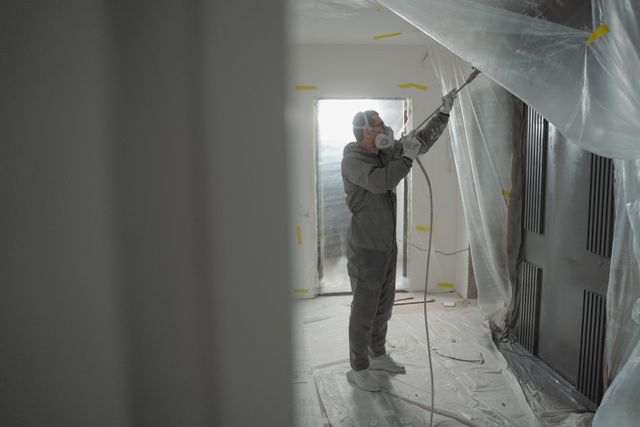
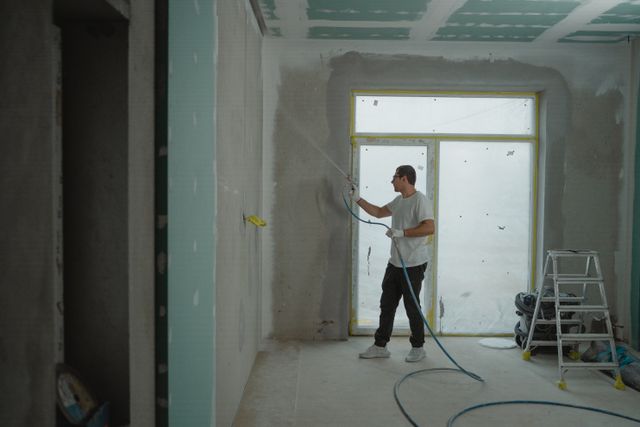
Painting contractors are also adopting more efficient application methods to improve consistency and reduce project time. Spray application equipment, advanced rollers, and specialized tools can help professionals work across different surfaces and property types. These methods are particularly useful for larger commercial spaces, where maintaining an even finish across extensive wall areas can be challenging.
However, modern equipment does not eliminate the need for professional judgment. Different surfaces require different preparation methods, paint formulations, and application techniques. Experienced contractors must understand how to handle drywall, wood, metal, masonry, and previously painted surfaces. As painting technology develops, technical knowledge and careful workmanship will continue to distinguish reliable services from rushed projects.
Durable Finishes Are Becoming a Priority for Property Owners
Appearance is important, but durability is equally relevant when selecting paint for residential and commercial properties. Walls and other painted surfaces experience regular contact, cleaning, sunlight exposure, moisture, and everyday wear. A finish that looks attractive immediately after application may not remain in good condition if it is unsuitable for the environment.
Homeowners are increasingly considering washable and scuff-resistant finishes for high-traffic areas such as hallways, kitchens, and family rooms. These options can make routine cleaning easier and help maintain the appearance of frequently used spaces. Exterior painting also requires careful material selection because outdoor surfaces must withstand changing temperatures, rain, humidity, and direct sunlight.
Commercial properties often have even greater durability requirements. Offices, educational facilities, hospitality venues, and retail spaces experience substantial daily activity, making suitable paint selection important for long-term maintenance. Contractors who understand the relationship between surface conditions, environmental exposure, and finish performance can help property owners make more practical decisions.
The Influence of Technology on Residential and Commercial Painting
Technology is gradually changing how painting projects are estimated, planned, and managed. Digital tools allow contractors to communicate with customers, prepare project estimates, organize schedules, and document work more efficiently. These developments are particularly useful for commercial projects, where multiple areas, larger budgets, and strict completion timelines require careful coordination.
Virtual color visualization is another development influencing the customer experience. Digital applications can help homeowners and business owners preview different color combinations before committing to a particular paint scheme. Instead of relying exclusively on small physical samples, customers can explore how different shades might look within a room or across an exterior design. Although screen colors may differ from actual paint finishes, these tools can make early design decisions easier.
Technology can also support better project communication. Digital photographs, progress updates, and scheduling platforms help contractors keep customers informed throughout the painting process. For larger properties, organized documentation can make it easier to track completed sections, identify outstanding work, and coordinate with other construction professionals.
Residential Painting Trends Focus on Personalization and Comfort
Residential painting is increasingly influenced by the desire to create homes that reflect individual lifestyles. Homeowners are moving beyond basic color changes and considering how different finishes contribute to the overall character of a room. Some prefer understated interiors with consistent color schemes, while others use contrasting shades to create distinct spaces within open-plan layouts.
Exterior painting is also receiving attention as homeowners look for ways to improve curb appeal and protect building surfaces. The right combination of exterior colors can highlight architectural details, complement landscaping, and give an older property a refreshed appearance. However, successful exterior projects require more than selecting attractive shades. Weather conditions, surface materials, and existing paint conditions must all be considered before application.
Another important trend is the growing interest in painting as a cost-effective renovation option. Replacing cabinets, renovating entire rooms, or making structural changes can involve considerable expense. Repainting suitable surfaces offers an alternative for homeowners who want to update their surroundings without undertaking a major renovation. With proper preparation and appropriate materials, a carefully planned painting project can produce a noticeable improvement.
Commercial Painting Is Becoming More Connected to Business Identity
Commercial properties have specific painting requirements because their appearance often influences how customers, employees, and visitors perceive an organization. An office with clean, well-maintained walls can create a more professional impression, while a retail environment with coordinated colors can support its overall visual presentation. For many businesses, painting is therefore both a maintenance requirement and an opportunity to improve the customer experience.
Modern commercial painting projects increasingly consider the purpose of individual spaces. Reception areas may use welcoming colors, meeting rooms may feature more restrained finishes, and shared spaces may incorporate shades that complement existing furniture and interior design. Hospitality businesses may prioritize finishes that balance visual appeal with the ability to withstand frequent cleaning and regular use.
Project scheduling is another major consideration. Commercial properties often need painting work completed without disrupting normal operations. Contractors may arrange work outside business hours, divide projects into phases, or coordinate with property managers to minimize interruptions. As businesses place greater emphasis on operational continuity, painting professionals who can provide organized project management will remain valuable partners.
The Importance of Professional Painting Services in Future Renovations
As paint formulations, equipment, and customer expectations continue to develop, professional expertise will remain essential to successful projects. Choosing the right paint involves understanding surface conditions, intended use, environmental exposure, and the desired finish. Without proper preparation and application, even high-quality materials may fail to deliver the expected results.
Professional contractors also bring experience in estimating material requirements, organizing labor, managing project timelines, and addressing unexpected surface problems. This becomes especially important in older residential properties and large commercial buildings, where existing damage or unsuitable previous coatings may affect the outcome. A structured approach helps property owners avoid unnecessary delays and reduces the likelihood of premature repainting.
Working with experienced painting professionals can also make the selection process easier. Contractors can explain the differences between available finishes, recommend appropriate preparation methods, and help customers understand the maintenance requirements of their chosen materials. These services allow homeowners and businesses to make informed decisions rather than focusing exclusively on the initial appearance or cost of a project.
What the Future Holds for Residential and Commercial Painting
The future of painting will be shaped by changing design preferences, environmental considerations, improved equipment, and higher expectations for durability. Homeowners will continue looking for personalized interiors and attractive exteriors, while commercial property owners will prioritize finishes that support professional environments and withstand regular use. These demands will encourage painting contractors to develop broader technical knowledge and adopt more efficient ways of delivering their services.
Sustainable paint formulations, digital color planning, advanced application equipment, and better project coordination are likely to become increasingly familiar across the industry. However, the fundamentals of successful painting will remain important. Proper surface preparation, suitable material selection, careful application, and attention to detail will continue to determine the quality of the finished work.
Ultimately, residential and commercial painting is moving toward a more considered approach to property improvement. Rather than treating paint as a simple decorative addition, property owners are recognizing its role in maintaining surfaces, improving appearance, and supporting the long-term usability of their spaces. Contractors who combine traditional workmanship with modern methods will be well positioned to meet the changing needs of tomorrow’s homes and commercial environments.