
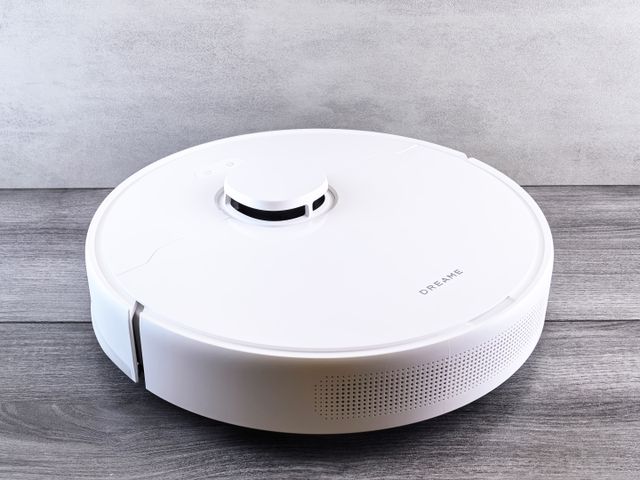
Carpet cleaning has always been an essential part of maintaining healthy, attractive, and comfortable indoor spaces. While traditional cleaning methods continue to play an important role, the industry is changing as new technology reshapes the way cleaning professionals plan jobs, clean carpets, communicate with customers, and manage their businesses. These improvements are making carpet cleaning services more efficient, more consistent, and better suited to the expectations of modern homeowners and commercial property managers.
Technology is influencing nearly every stage of the carpet cleaning process. From booking appointments and inspecting carpets to selecting the right cleaning approach and following up after the job, digital solutions are helping businesses provide faster and more personalized service. At the same time, customers benefit from greater convenience, improved communication, and more confidence in the results they receive.
The Shift Toward Technology-Driven Carpet Cleaning
The carpet cleaning industry has traditionally relied on skilled technicians, specialized equipment, and practical experience. Those elements remain essential today, but technology has become another valuable tool that supports better decision-making throughout every project.
Instead of replacing professional expertise, modern technology enhances it. Digital systems allow technicians to gather more accurate information before arriving on-site, while software helps organize schedules, customer records, and service history. This combination of experience and technology creates a smoother experience for both service providers and clients.
The growing demand for convenience has also encouraged businesses to adopt smarter solutions. Customers increasingly expect online scheduling, quick responses, transparent pricing, and regular updates throughout the service process. Technology allows carpet cleaning companies to meet these expectations without sacrificing service quality.
Smarter Scheduling Improves Efficiency
One of the biggest improvements technology has brought to carpet cleaning services is scheduling. Managing appointments manually can lead to overlapping bookings, unnecessary travel time, and delayed arrivals. Modern scheduling systems help organize daily operations more effectively.
With automated scheduling, businesses can group appointments by location, minimize travel distances, and assign technicians based on availability and expertise. This reduces downtime while allowing companies to serve more customers during the day.
Customers also enjoy greater flexibility when scheduling services. Instead of making multiple phone calls during business hours, many can request appointments online whenever it is convenient. Automated confirmations, reminders, and notifications reduce missed appointments while keeping everyone informed.
The result is a more organized workflow that benefits both technicians and customers.
Better Inspection Through Digital Documentation
Every carpet is different. Fiber type, stain severity, traffic patterns, moisture levels, and previous cleaning history all influence the cleaning process. Technology now helps professionals document these details more accurately before work begins.
Digital inspection tools allow technicians to record photographs, notes, measurements, and customer concerns in one organized location. This information becomes part of the customer’s service history, making future visits more efficient and consistent.
Detailed documentation also helps explain recommended cleaning methods. Customers gain a clearer understanding of why certain treatments are necessary and what results they can realistically expect.
For businesses, maintaining digital records improves consistency across multiple technicians while reducing misunderstandings that sometimes occur with handwritten notes.
Advanced Equipment Delivers More Consistent Results
Cleaning equipment has improved significantly over the past decade. Modern machines are designed to provide better cleaning performance while using water, cleaning solutions, and energy more efficiently.
Improved extraction systems remove more moisture during cleaning, helping carpets dry faster. Better suction technology also assists in removing embedded dirt, allergens, and cleaning residues that may remain after older cleaning methods.
Many modern cleaning systems also offer greater control over pressure, temperature, and water flow. Rather than using the same settings for every carpet, technicians can adjust equipment based on carpet construction, soil conditions, and cleaning requirements.
This level of control contributes to better cleaning outcomes while reducing unnecessary wear on carpet fibers.
Data Helps Create Better Cleaning Plans
Technology is making carpet maintenance more proactive rather than reactive. Instead of waiting until carpets appear heavily soiled, businesses can use historical service data to recommend cleaning schedules that better match each property’s needs.
Commercial buildings, offices, hotels, educational facilities, and healthcare environments often experience different levels of foot traffic throughout the year. Digital records help identify cleaning patterns and determine appropriate maintenance intervals.
Historical data also allows technicians to monitor recurring problem areas. Entryways, hallways, waiting areas, and frequently used rooms often require additional attention. By tracking these patterns, cleaning professionals can recommend targeted maintenance strategies instead of treating every area the same way.
Over time, these data-driven decisions help extend carpet life while maintaining a cleaner appearance between visits.
Customer Communication Has Become Faster and Easier
Technology has transformed how carpet cleaning companies communicate with customers before, during, and after appointments.
Customers now expect timely responses when requesting estimates or asking questions. Digital communication tools allow businesses to acknowledge inquiries quickly while providing appointment details, preparation instructions, and estimated arrival times.
After cleaning is complete, follow-up communication has also become more efficient. Customers may receive maintenance recommendations, reminders for future cleaning, or information about drying times and post-cleaning care.
Improved communication reduces uncertainty throughout the service experience. Customers know what to expect before technicians arrive and receive helpful guidance after the work is completed.
Smarter Routing Saves Time
Travel time can significantly affect the efficiency of carpet cleaning businesses, especially those serving large metropolitan areas or multiple neighboring communities.
Route planning technology helps organize appointments based on geography rather than simply assigning jobs in the order they are received. This reduces unnecessary driving, lowers fuel consumption, and allows technicians to spend more time serving customers instead of traveling between locations.
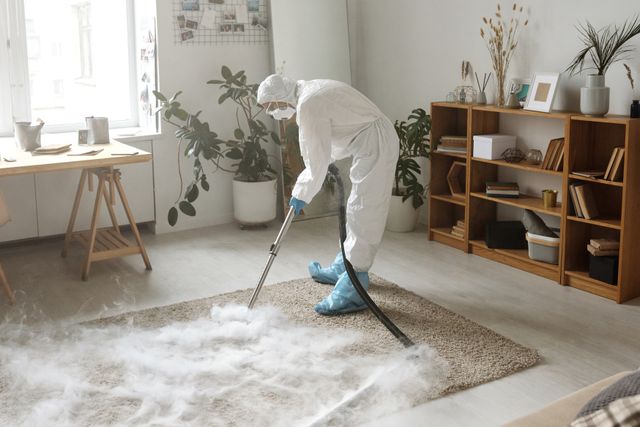
More efficient routing also improves punctuality. Customers appreciate accurate arrival windows, while businesses benefit from completing more appointments each day without increasing working hours.
As scheduling and routing technologies continue to improve, operational efficiency becomes an increasingly important competitive advantage.
Artificial Intelligence Is Supporting Business Operations
Artificial intelligence is beginning to influence many administrative aspects of carpet cleaning businesses. Rather than replacing technicians, AI supports routine tasks that previously required significant manual effort.
Customer inquiries can be answered more quickly through automated systems that provide basic information about services, appointment availability, and pricing guidelines. Administrative tasks such as organizing customer records, sending reminders, and generating follow-up messages can also be partially automated.
AI can also analyze scheduling patterns, seasonal demand, and customer preferences to improve business planning. By identifying busy periods and recurring service requests, companies can allocate staff and equipment more effectively throughout the year.
These improvements allow employees to spend more time focusing on customer service and professional cleaning rather than repetitive office work.
Technology Supports Better Indoor Environments
Carpet cleaning contributes to healthier indoor spaces by removing accumulated dust, allergens, and other contaminants from carpet fibers. Technology helps improve this process through better assessment and more precise cleaning methods.
Moisture monitoring tools help technicians avoid excessive water use, reducing the likelihood of prolonged drying times. Improved extraction equipment removes more suspended particles while minimizing leftover residue.
Some digital monitoring systems also help verify cleaning performance by documenting completed work and identifying areas requiring additional attention. This contributes to more thorough cleaning while supporting consistent quality across multiple projects.
As awareness of indoor environmental quality continues to grow, technology will likely play an even larger role in helping cleaning professionals maintain healthier interior spaces.
Predictive Maintenance Is Changing Commercial Carpet Care
Commercial carpet cleaning is increasingly moving toward predictive maintenance rather than waiting for visible deterioration.
By tracking service history, traffic levels, seasonal usage, and previous cleaning performance, businesses can anticipate when carpets are likely to require attention. This allows maintenance to occur before severe staining, fiber damage, or excessive wear develops.
Property managers benefit from more predictable maintenance budgets, while building occupants enjoy consistently clean environments throughout the year.
Predictive maintenance also helps extend carpet lifespan by preventing heavy soil buildup that becomes more difficult to remove over time.
Sustainability and Technology Work Together
Environmental responsibility has become an important consideration across many service industries, including carpet cleaning. Technology is helping businesses reduce waste while maintaining effective cleaning performance.
Modern equipment often uses water more efficiently than older systems without compromising cleaning quality. Improved chemical application methods reduce unnecessary product usage by delivering more accurate quantities where needed.
Route optimization contributes to lower fuel consumption, while digital documentation reduces paper records. Electronic invoices, online estimates, and digital customer communication further minimize paper use.
These operational improvements support sustainability goals while often lowering operating costs for cleaning companies.
The Future of Smart Carpet Cleaning Services
Technology will continue to reshape the carpet cleaning industry in the coming years. Improvements in automation, digital inspections, artificial intelligence, and connected equipment will likely make cleaning services even more efficient and personalized.
Future systems may provide even better predictive maintenance recommendations based on carpet usage patterns, indoor conditions, and previous service history. Scheduling will likely become even more automated, while customer communication continues to become faster and more convenient.
Technicians will still remain the foundation of quality carpet cleaning. Their experience, judgment, and attention to detail cannot be replaced by technology alone. Instead, modern tools will continue supporting professionals by providing better information, reducing administrative work, and improving consistency across every stage of the service process.
Conclusion
The carpet cleaning industry is steadily evolving through the adoption of smarter technology that enhances both operational efficiency and customer satisfaction. Digital scheduling, improved documentation, advanced equipment, artificial intelligence, data analysis, and better communication systems are helping businesses deliver more reliable and convenient services without changing the importance of professional expertise.
As customer expectations continue to evolve, technology will remain an important part of how carpet cleaning services operate. Businesses that successfully combine skilled technicians with modern digital tools are better positioned to provide efficient scheduling, accurate assessments, consistent cleaning quality, and stronger customer experiences. Rather than replacing traditional cleaning knowledge, these technological advancements are helping the industry become smarter, more responsive, and better prepared for the future.