
Orthodontic care has changed significantly over the past few decades. What was once centered on metal braces, physical impressions, and frequent office visits has evolved into a more patient-focused experience supported by digital technology, advanced materials, and improved treatment planning. As research continues and healthcare technology advances, orthodontic treatment is becoming more efficient, comfortable, and personalized than ever before.
The future of orthodontic care and treatment is not about replacing the orthodontist. Instead, it is about providing professionals with better tools to improve diagnosis, treatment planning, monitoring, and patient outcomes. Patients can also expect shorter appointments, more accurate treatment predictions, and greater convenience throughout their orthodontic journey. Looking ahead, several emerging trends are expected to shape how orthodontic care is delivered over the coming years.
Digital Diagnosis Will Continue to Improve Accuracy
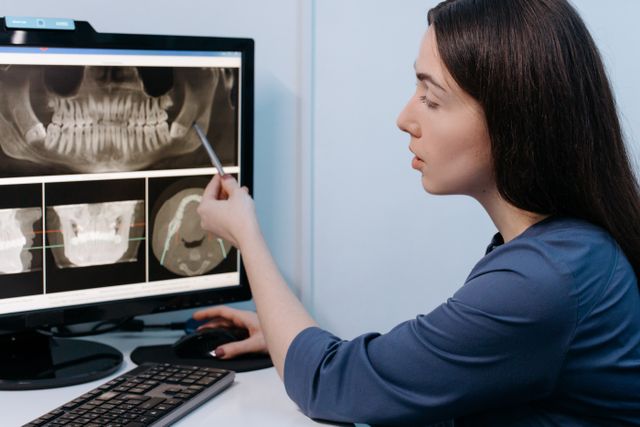
One of the biggest changes in modern orthodontics has been the shift from traditional impressions to digital scanning. Instead of using impression materials that many patients find uncomfortable, digital scanners can create highly accurate three-dimensional models of the teeth within minutes.
As digital imaging continues to improve, orthodontists will gain even more detailed information about tooth position, bite relationships, jaw alignment, and facial structures. These improvements will make treatment planning more precise while reducing the chances of unexpected adjustments during treatment.
Digital records also make it easier to compare changes throughout treatment. Orthodontists can evaluate progress more accurately and identify small issues before they become larger problems. Over time, this level of precision may contribute to shorter treatment times and improved long-term stability.
Patients also benefit from better communication. Three-dimensional models allow orthodontists to explain treatment goals more clearly, helping patients understand how their teeth are expected to move throughout the process.
Artificial Intelligence Will Support Better Treatment Decisions
Artificial intelligence is becoming one of the most influential developments in healthcare, and orthodontics is no exception. Rather than replacing professional judgment, AI is expected to assist orthodontists by analyzing large amounts of clinical information quickly and accurately.
Smarter Treatment Planning
Future AI systems will likely analyze digital scans, X-rays, photographs, and patient history simultaneously to identify orthodontic concerns that may not be immediately obvious. This can help orthodontists develop highly customized treatment plans based on each patient’s specific needs.
AI may also predict how teeth are likely to respond to different treatment approaches. These predictions can help orthodontists select movement strategies that improve efficiency while maintaining healthy teeth and supporting tissues.
Earlier Detection of Potential Problems
Machine learning systems are continually improving their ability to recognize patterns. In orthodontics, this means AI may identify developing bite problems, crowding, or jaw growth concerns at earlier stages.
Earlier intervention often provides more treatment options, particularly for younger patients whose jaws are still developing. Detecting potential issues before they become severe may reduce treatment complexity later in life.
Continuous Learning From Clinical Data
As more anonymized treatment data becomes available, AI systems will continue learning from successful outcomes across thousands of cases. These insights may help refine treatment planning, improve movement predictions, and identify techniques associated with better long-term results.
Remote Monitoring Will Become More Common
The future of orthodontic care is likely to include more virtual communication between patients and orthodontists. While regular in-office visits will remain important, remote monitoring can reduce unnecessary appointments while keeping treatment on track.
Patients may periodically submit photographs or digital scans using approved devices at home. Orthodontists can review these images to evaluate progress, determine whether tooth movement is proceeding as planned, and decide if adjustments are necessary.
This approach offers greater convenience for patients with busy schedules, those living farther from the orthodontic office, or families managing multiple appointments. Remote monitoring also allows orthodontists to identify concerns sooner rather than waiting until the next scheduled visit.
The combination of digital records, imaging technology, and remote assessment creates a more flexible treatment experience without compromising professional oversight.
More Personalized Orthodontic Treatment
Every patient’s teeth, facial structure, bone quality, and oral health are unique. The future of orthodontics is moving toward increasingly personalized treatment that accounts for these individual differences.
Rather than following generalized treatment pathways, orthodontists are expected to use advanced diagnostic information to customize movement sequences, appliance selection, and treatment timing for each patient.
Greater personalization may also improve patient comfort. Small adjustments based on individual biology could reduce unnecessary force on teeth while encouraging more predictable movement.
As research into genetics and tissue response continues, future treatment plans may incorporate biological factors that influence tooth movement. While this field is still developing, it has the potential to further individualize orthodontic care.
New Materials Will Improve Comfort
Orthodontic materials continue to evolve. Future appliances are expected to become lighter, stronger, and more comfortable while maintaining effective tooth movement.
Advances in material science may produce wires that apply more consistent forces throughout treatment. These improvements can potentially reduce discomfort while helping teeth move more efficiently.
Clear treatment options are also expected to become thinner, stronger, and more resistant to wear. Better materials may improve durability without sacrificing patient comfort or appearance.
Researchers are also exploring materials that respond to temperature or pressure changes. Although many of these innovations remain under investigation, they demonstrate the ongoing effort to improve both patient experience and treatment effectiveness.
Three-Dimensional Printing Will Expand Treatment Options
Three-dimensional printing has already begun changing orthodontics, and its role is expected to grow significantly in the future.
Digital treatment plans can be translated into highly accurate printed models that assist in creating customized orthodontic appliances. As printing technology continues to improve, production may become faster, more affordable, and increasingly precise.
Customized appliances allow orthodontists to tailor treatment to the unique anatomy of each patient. Better fit often contributes to improved comfort and more predictable tooth movement.
Future developments may allow certain orthodontic components to be manufactured much more quickly than traditional laboratory processes, reducing waiting times between appointments.
Predictive Treatment Simulations Will Become More Advanced
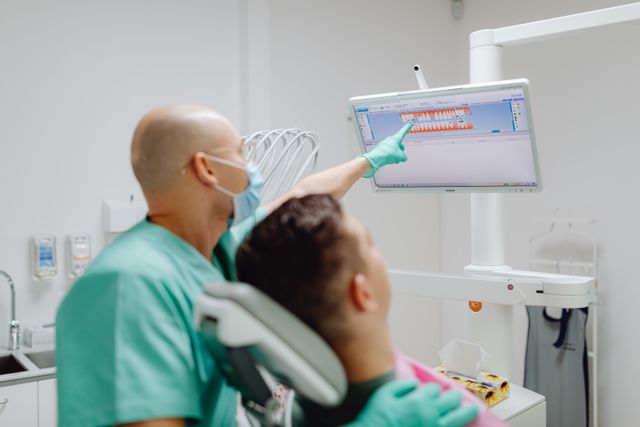
Patients often want to know what their smile will look like before treatment begins. Future orthodontic software is expected to provide increasingly realistic simulations that demonstrate projected treatment outcomes.
Rather than showing only estimated tooth movement, future simulations may include facial appearance changes, bite improvements, and long-term treatment projections.
These visual tools improve communication between orthodontists and patients. Individuals can better understand treatment objectives, expected timelines, and possible alternatives before making decisions.
Improved simulations may also assist orthodontists in evaluating multiple treatment approaches before selecting the most appropriate plan for each patient.
Preventive Orthodontics Will Receive Greater Attention
Future orthodontic care is expected to place greater emphasis on prevention rather than correction alone.
Routine dental examinations combined with improved digital screening may identify developing orthodontic concerns much earlier than before. Early recognition allows orthodontists to monitor jaw growth, tooth eruption, and bite development during childhood.
Preventive orthodontics does not always involve immediate treatment. Sometimes careful observation allows orthodontists to determine the ideal timing for intervention while avoiding unnecessary procedures.
Public awareness of early orthodontic evaluations is also increasing. Parents are becoming more informed about the benefits of identifying potential concerns before they become more complicated.
Data Integration Will Improve Overall Patient Care
Healthcare providers increasingly rely on digital information that can be shared securely across different specialties. In the future, orthodontic records may integrate more effectively with general dental care and other medical information when appropriate.
Improved collaboration allows orthodontists, dentists, oral surgeons, and other healthcare professionals to coordinate treatment more efficiently.
Comprehensive digital records can reduce duplicate imaging, improve treatment continuity, and support better-informed clinical decisions throughout a patient’s care.
Integrated information systems may also simplify appointment scheduling, treatment documentation, and communication between providers, creating a smoother experience for patients.
Sustainability Will Become More Important in Orthodontic Practices
Environmental responsibility is becoming an important consideration across healthcare, including orthodontics.
Many practices are exploring ways to reduce waste by adopting digital workflows that minimize paper records and physical impressions. Digital documentation also reduces storage requirements while improving accessibility.
Manufacturers continue researching environmentally responsible materials, recyclable packaging, and more efficient production methods. Although maintaining strict infection control standards remains the highest priority, sustainable practices are expected to become increasingly common wherever possible.
Patients are also becoming more environmentally conscious, making sustainability an important factor in future healthcare planning.
Human Expertise Will Remain Essential
Despite rapid technological advancement, orthodontic care will continue to rely heavily on the knowledge and clinical judgment of trained orthodontists.
Technology can assist with diagnosis, planning, simulations, and monitoring, but every patient presents unique clinical challenges that require professional evaluation. Factors such as facial balance, oral health, patient goals, growth patterns, and treatment limitations require careful interpretation that extends beyond computer analysis.
Orthodontists also provide ongoing adjustments throughout treatment based on how individual patients respond. Even the most advanced software cannot replace the experience needed to make clinical decisions when unexpected situations arise.
The future is therefore best viewed as a partnership between advanced technology and professional expertise, combining data-driven insights with personalized patient care.
Looking Ahead at the Next Generation of Orthodontic Care
The future of orthodontic care and treatment promises greater precision, personalization, and convenience than ever before. Advances in digital imaging, artificial intelligence, remote monitoring, material science, and predictive treatment planning are reshaping how orthodontists diagnose problems and guide patients toward healthier smiles.
While technology will continue to improve efficiency and expand treatment possibilities, successful orthodontic care will remain centered on individualized planning and professional expertise. Every patient has unique needs, and future innovations are expected to provide orthodontists with even better tools to deliver customized care.
As research continues and new technologies mature, patients can look forward to more comfortable treatment experiences, improved communication, enhanced accuracy, and increasingly predictable outcomes. Rather than changing the purpose of orthodontics, these developments are strengthening its ability to provide effective, patient-focused care for people of all ages.