

Dining out and attending an event may still look familiar a decade from now: people will gather around tables, celebrate important moments, meet colleagues, enjoy food, and expect good service. Behind those experiences, however, the hospitality industry is changing quickly. Restaurants, caterers, and event venues are dealing with higher operating costs, changing guest expectations, new digital habits, sustainability pressures, and increasingly capable technology.
Recent industry research suggests that the future will not simply be about adding more technology. Operators are becoming more selective about where technology genuinely improves the business. A 2026 industry report found that restaurants with moderate, intentional technology adoption reported stronger business performance than businesses at either extreme, suggesting that thoughtful integration matters more than adopting every new system available.
For restaurants, catering operations, and venues, the next stage of hospitality is likely to combine convenience and automation with something much more traditional: memorable human experiences.
Guests Will Expect Convenience Before They Even Arrive
The guest experience increasingly begins long before someone enters a restaurant or event venue. People discover dining options digitally, compare menus, check availability, read reviews, ask questions, make reservations, and communicate special requirements before arriving. That means the quality of the digital experience is becoming part of hospitality itself.
This journey is also becoming less linear. A customer might discover a restaurant digitally, visit it for dinner, later order food for delivery, and eventually consider the same business for catering. Recent consumer research has shown significant movement between dine-in and delivery channels, reinforcing the idea that guests increasingly see these experiences as connected rather than separate.
Restaurants and venues will therefore need accurate information across their digital touchpoints. Menus, opening hours, event capacities, accessibility details, booking information, dietary options, and policies need to be easy to locate. Businesses that make planning unnecessarily difficult could lose customers before an employee ever has the opportunity to speak with them.
Restaurants Will Become More Flexible in How They Operate
The traditional idea of a restaurant as simply a dining room and kitchen is already becoming less accurate. Restaurants may simultaneously serve dine-in customers, takeaway orders, delivery customers, private events, and catering clients. Future operations will need to accommodate these different types of demand without allowing one channel to interfere with another.
That may influence kitchen layouts, preparation processes, staffing patterns, menus, pickup areas, and technology decisions. Rather than treating digital ordering or catering as side operations, restaurants may increasingly design workflows around multiple revenue channels from the beginning.
The economic environment is encouraging this flexibility. Current industry analysis points to continued pressure from labor, commodities, utilities, delivery costs, and changing consumer behavior. Operators are responding by reconsidering menus, operations, technology investments, and even physical restaurant footprints.
The result could be a restaurant industry that is operationally more adaptable. A single kitchen may need to move smoothly between a lunch rush, online orders, a large catering request, and evening reservations without sacrificing food quality or service.
Catering Will Become More Personalized and Responsive
Catering has always involved customization, but clients are likely to expect even greater flexibility in the years ahead. Dietary preferences, allergies, cultural requirements, wellness considerations, sustainability expectations, presentation styles, and event formats can all influence menu planning.
Corporate catering may also continue moving beyond the traditional large formal function. Smaller meetings, flexible workplaces, employee gatherings, workshops, and hybrid events create demand for catering at different scales. Caterers that can adjust quantities, formats, service styles, and menus without creating unnecessary complexity will be better positioned for these changing requirements.
Technology can support this flexibility by improving forecasting and planning. Historical event information can help estimate ingredient quantities, preparation requirements, equipment needs, transportation schedules, and staffing. When attendance changes close to an event, connected systems may also make it easier to update multiple parts of the plan.
However, customization still depends heavily on experienced people. Understanding what a client actually wants, noticing practical problems with a proposed menu, and adapting when something unexpected happens at an event remain distinctly human responsibilities.
Event Venues Will Need to Offer More Than Attractive Spaces
A beautiful room will remain important, but clients increasingly judge venues on the complete experience surrounding that room. Communication, connectivity, food options, accessibility, flexible layouts, audiovisual capabilities, booking convenience, sustainability practices, and coordination can all influence the choice of venue.
Future spaces may therefore become more adaptable. Instead of rooms designed around a single event format, venues can benefit from layouts that accommodate conferences, celebrations, private dinners, presentations, networking sessions, and other gatherings. Technology infrastructure will also need to be treated as part of venue planning rather than an optional extra.
Venue research in 2026 indicates that technology, AI, and sustainability are becoming increasingly relevant considerations, although AI adoption remains relatively early in many event facilities. Current uses are concentrated in areas such as marketing, data analysis, and human resources, leaving substantial room for future operational applications.
At the same time, physical atmosphere will matter precisely because more everyday interactions have become digital. Events provide something online communication cannot fully reproduce: shared experiences in a physical place. Venues that understand that value can use technology to remove friction without allowing it to dominate the occasion.
Artificial Intelligence Will Move Further Behind the Scenes
AI is likely to become a larger part of hospitality, although guests may not always see it directly. Some of its most practical applications involve forecasting demand, analyzing menu performance, organizing reservations, planning labor, managing inventory, responding to routine inquiries, and identifying operational patterns.
Industry research already points toward automated kitchens, AI-assisted personalization, and new restaurant formats as areas likely to develop further. Yet adoption remains uneven across hospitality, and broader foodservice research suggests that many businesses still struggle to connect digital systems and data effectively.
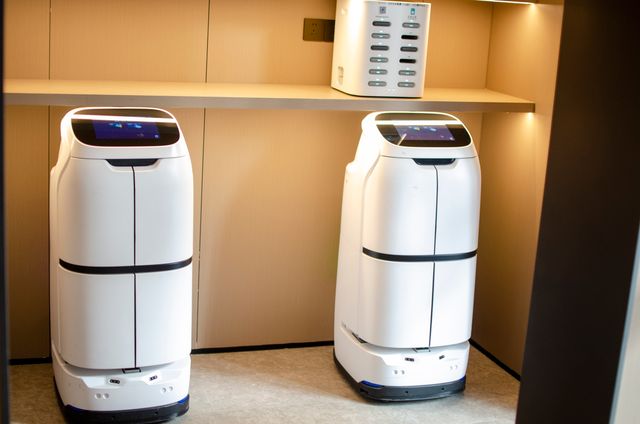
This means the future is unlikely to involve immediate, complete automation. Restaurants, caterers, and venues will probably introduce AI selectively where there is a clear operational benefit.
A catering manager might use forecasting to estimate ingredient requirements. A restaurant could analyze demand patterns before scheduling employees. A venue might use technology to organize inquiries or summarize lengthy event-planning communications. Employees would then use that information to make the actual decisions.
Menus Will Respond Faster to Costs and Customer Preferences
Menus have never been permanent, but future menu planning may become considerably more responsive. Operators have access to increasingly detailed information about what sells, what produces waste, what takes too long to prepare, and which dishes provide sustainable margins.
Instead of waiting months for a formal menu review, restaurants may make smaller adjustments more frequently. Seasonal availability, ingredient costs, guest preferences, preparation time, profitability, and food waste can all inform these decisions.
At the same time, operators will need to be careful not to let data remove creativity from food. A dish with modest sales might still be important to a restaurant’s identity, while an unusual catering option could differentiate a business from competitors. Numbers can explain performance, but chefs and hospitality professionals still need to interpret what those numbers mean.
Health, dietary preferences, ingredient transparency, and sustainability are also likely to influence menu development. Guests increasingly want enough information to make choices that fit their needs, meaning clearer menu communication may become just as important as the menu itself.
Sustainability Will Become Part of Everyday Operations
Sustainability is gradually shifting from a separate hospitality initiative into an operational consideration. Food waste, packaging, water use, energy consumption, ingredient sourcing, transportation, and event materials all contribute to the environmental impact of dining and events.
For restaurants and caterers, better forecasting can help reduce unnecessary purchasing and food preparation. Menus can be planned around seasonal availability and practical ingredient use. Venues can consider energy efficiency, waste management, reusable materials, and supplier practices when organizing events.
Research across the foodservice sector suggests that progress is currently stronger in practical areas such as food-waste management and energy efficiency than in broader measurement and reporting systems. This distinction is important. The future of sustainable hospitality is likely to depend less on isolated environmental gestures and more on embedding better practices into purchasing, kitchens, facilities, training, and everyday operations.
Customers may also become more interested in evidence rather than vague environmental claims. Clear information about sourcing, waste reduction, or operational practices can make sustainability more meaningful and credible.
Staffing Will Change, but Hospitality Skills Will Remain Essential
Automation inevitably raises questions about hospitality employment. Some repetitive administrative work will become easier to automate, particularly scheduling assistance, basic customer inquiries, reporting, data entry, forecasting, and routine operational analysis.
That does not mean hospitality will stop needing people. In many areas, it could make interpersonal skills even more valuable. Employees who understand guests, solve unexpected problems, coordinate complex events, manage teams, and create welcoming experiences will remain central to the industry.
Workforce challenges are also changing rather than disappearing. The 2026 Independent Restaurant Industry Report found that staffing shortages had eased compared with earlier periods, but retention, labor costs, and regulatory complexity continued to create difficulties for operators.
Future hospitality teams may therefore spend less time on repetitive administration and more time on service, supervision, problem-solving, and guest interaction. Training will need to evolve accordingly, with employees learning both traditional hospitality skills and how to work effectively with increasingly digital operations.
Experiences Will Become a Bigger Part of the Value Proposition
As consumers become more selective about discretionary spending, simply providing food or a room may not always be enough. People often have many convenient alternatives available at home, which means going out needs to offer something worthwhile.
Restaurants may respond with distinctive menus, atmosphere, chef-led experiences, themed evenings, social dining formats, or stronger connections between food and place. Caterers may focus more on presentation, interactive food experiences, and menus designed specifically around an occasion. Event venues may create more adaptable environments that help organizers build experiences rather than simply rent space.
This does not mean every business needs elaborate entertainment. Sometimes the experience comes from exceptionally smooth service, comfortable surroundings, thoughtful food, and employees who pay attention. The important change is that customers are increasingly evaluating the entire occasion rather than only the core product.
The Future Will Be Smarter, but It Still Needs to Feel Human
Restaurants, caterers, and event venues are entering a period where technology, sustainability, flexible service models, and changing customer expectations will influence almost every part of operations. AI will improve forecasting and administrative efficiency. Digital systems will make booking and ordering easier. Better data will help businesses understand demand, costs, waste, and customer behavior.
Yet current industry evidence also suggests that simply adding more technology is not the answer. Intentional adoption and better integration appear more useful than technology for its own sake.
That distinction may define the next generation of hospitality. The businesses that succeed will not necessarily be the restaurants with the most automation or the venues with the most digital features. They will be the ones that use these capabilities to make the experience easier while preserving what guests actually came for.
People still want good food. Clients still want events that run smoothly. Guests still appreciate employees who listen, adapt, and make them feel welcome. The systems supporting those experiences will become smarter, but the human side of hospitality will remain its most important ingredient.